Museum · Kokand
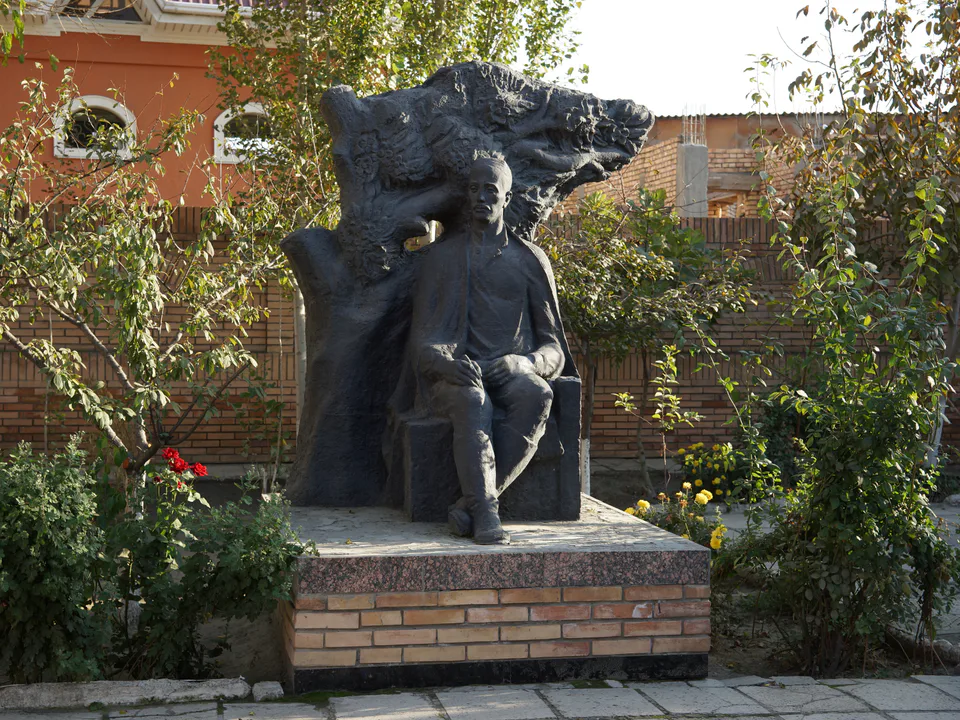
Hamza House Museum
In memory of the poet and playwright Hamza
Resort · Fergana District
A mountain village and exclave below the Alay Range: a shrine linked to Caliph Ali, the tomb of the poet Hamza, the Koksu and Oqsu rivers and, nearby, the blue Kok-Kol lake.
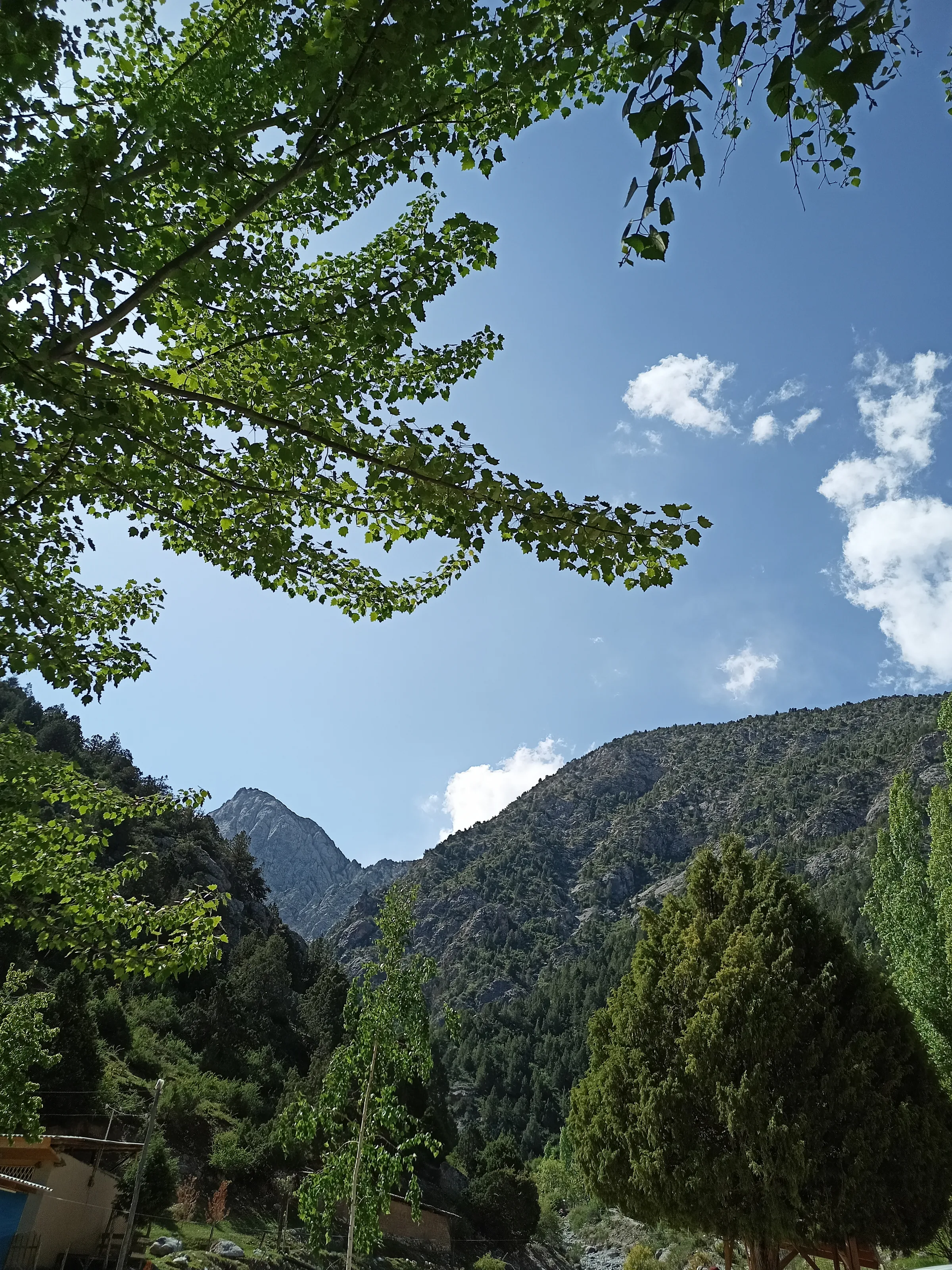
Shohimardon belongs to Fergana District but is entirely surrounded by Kyrgyzstan's Batken Region (Kadamjay District). It lies about 55 km south of Fergana in a valley on the northern slopes of the Alay Range, at roughly 1,550 metres. The exclave covers about 90 km² and contains two villages, Shohimardon and Yordon, whose people are mostly Uzbek.
Beside the village the Koksu and Oqsu rivers meet to form the Shohimardonsoy, which flows down to Margilan. Peaks of more than 2,500 metres rise all around, and in summer it is far cooler than the valley floor. The river is home to a fish species found nowhere else.
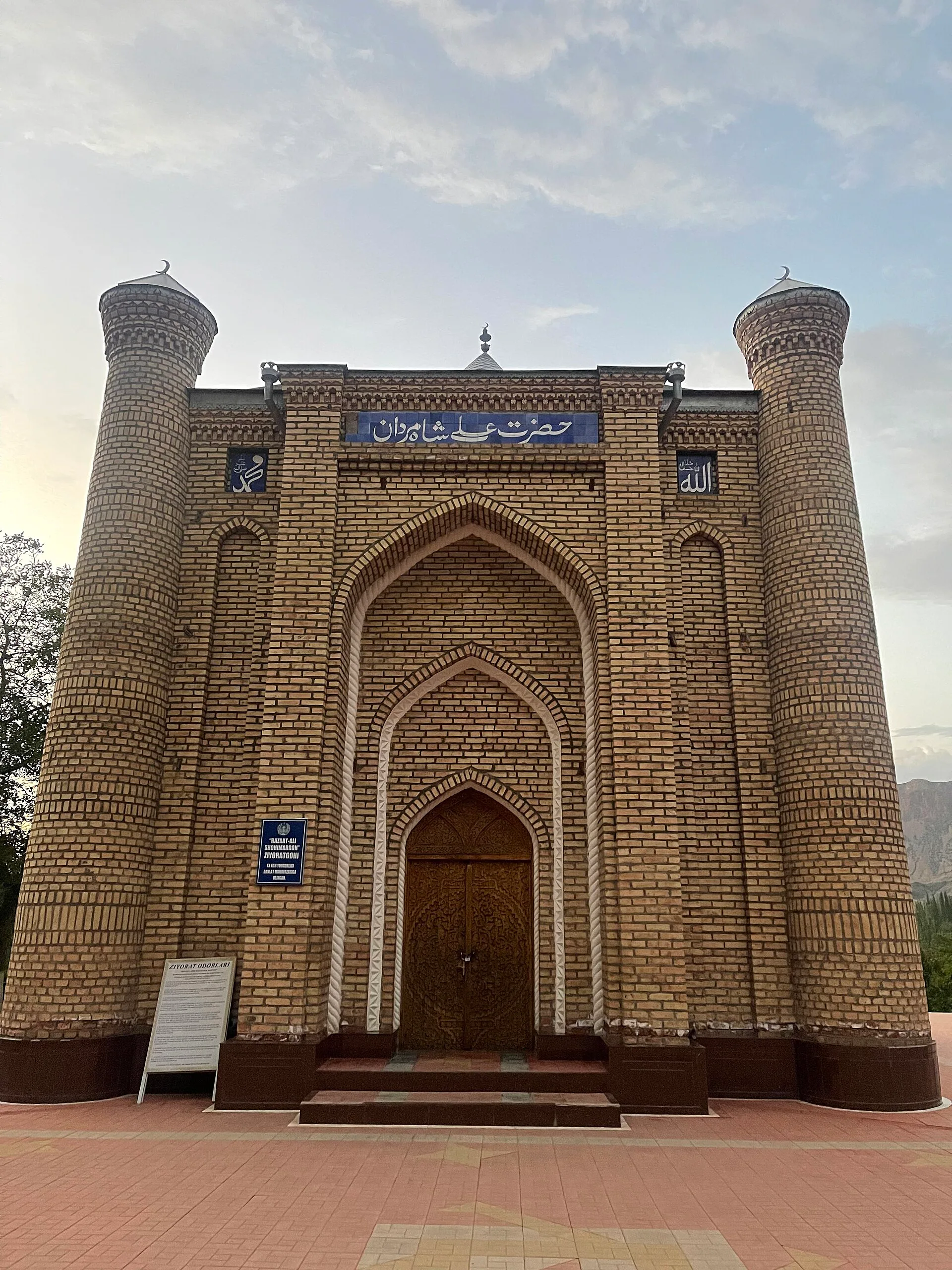
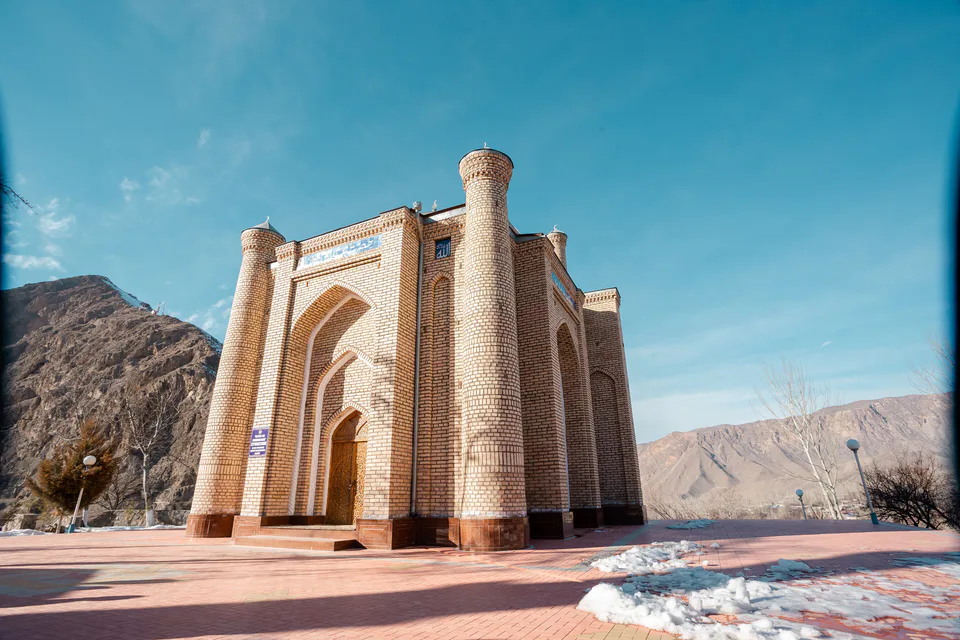
The name means 'king of men' in Persian and alludes to Caliph Ali: Muslim tradition holds that Ali came here and that this is one of his possible burial places. The mausoleum and mosque in the village centre were destroyed by severe earthquakes in 1822 and 1899; in 1899 the mausoleum was rebuilt at the expense of Shokirkhon Mirzahidboyev, mingboshi of Rishtan, with building materials brought from Rishtan. The Soviet authorities demolished it in the 1920s, and after independence it was rebuilt in its former shape.
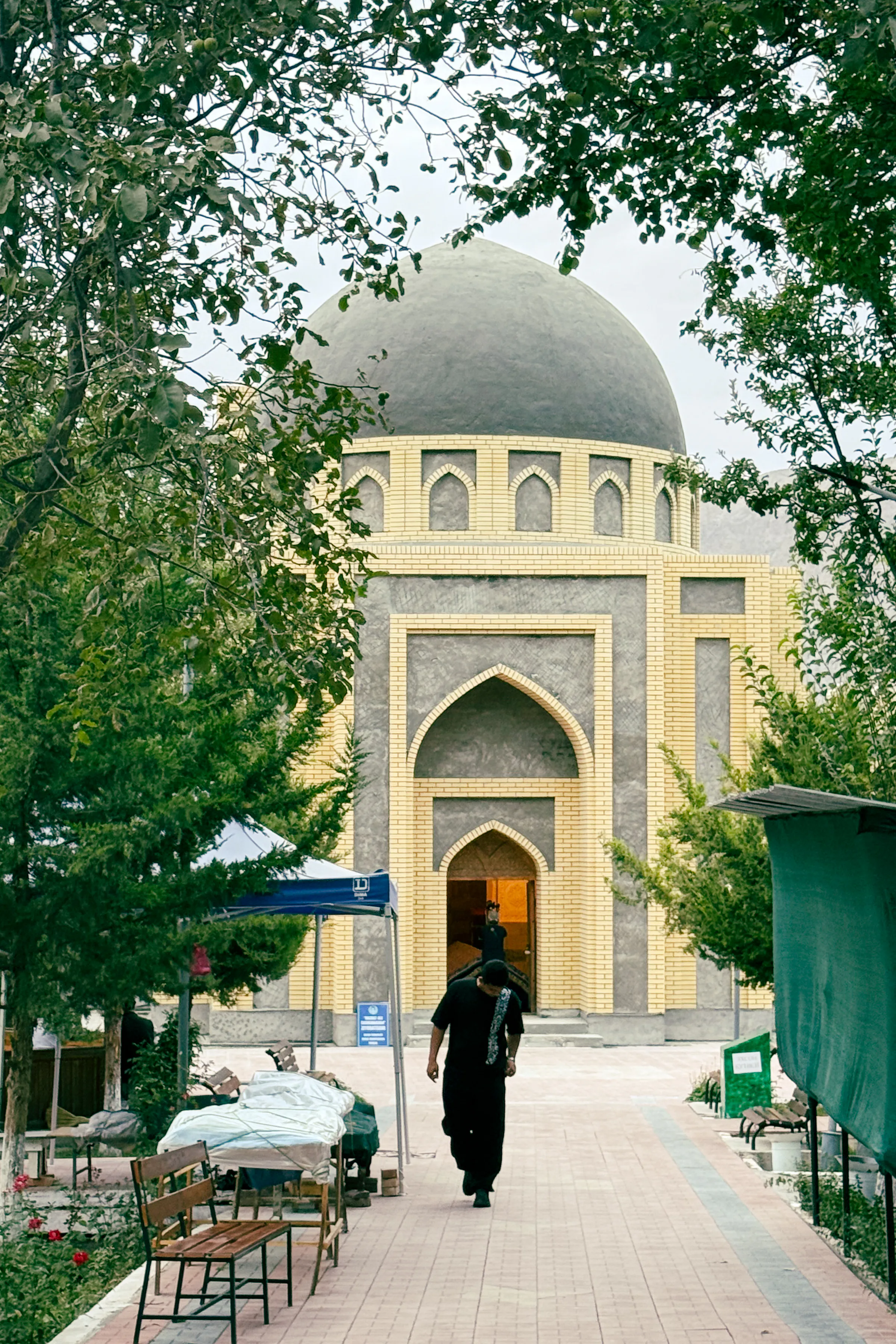
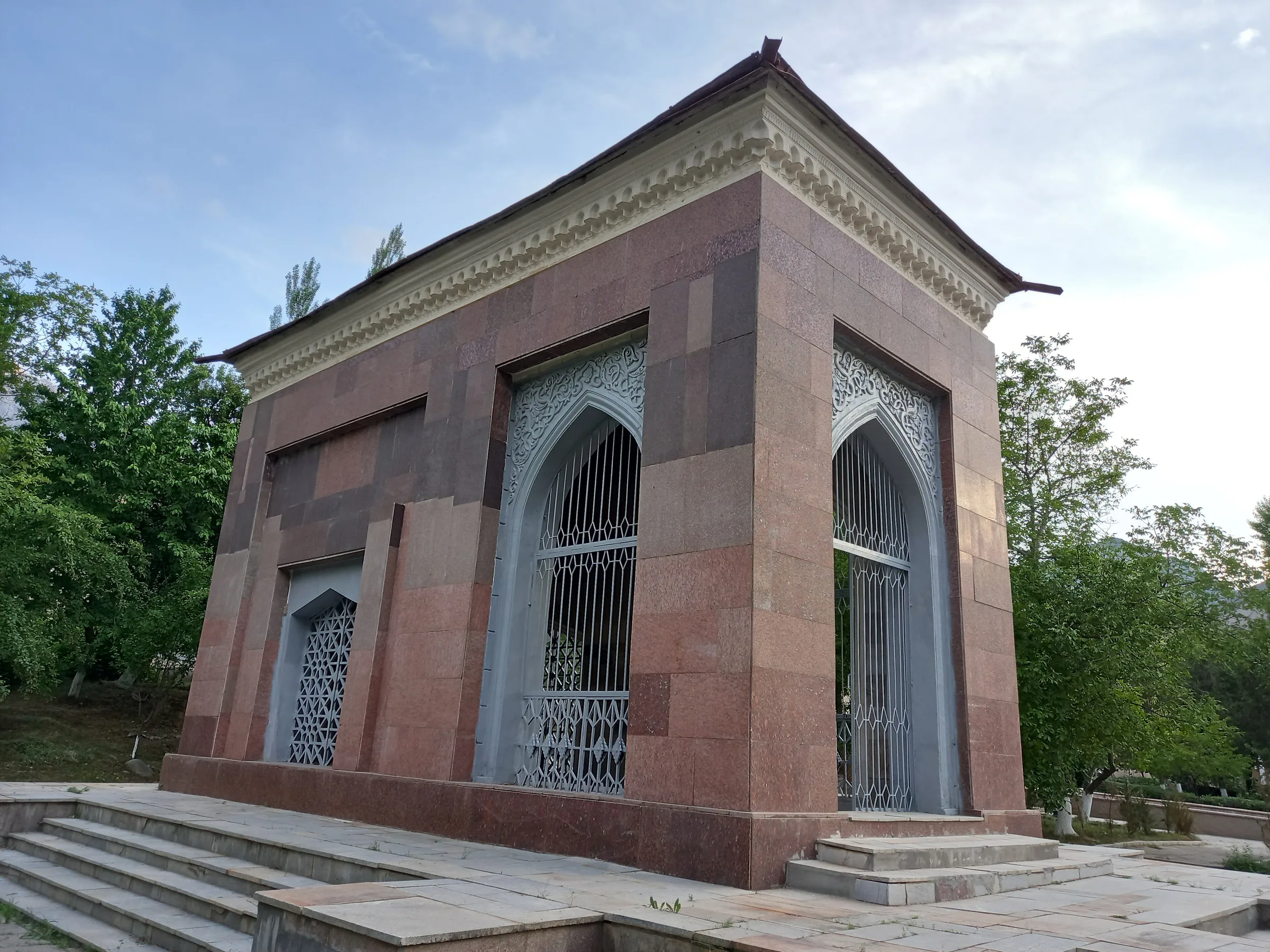
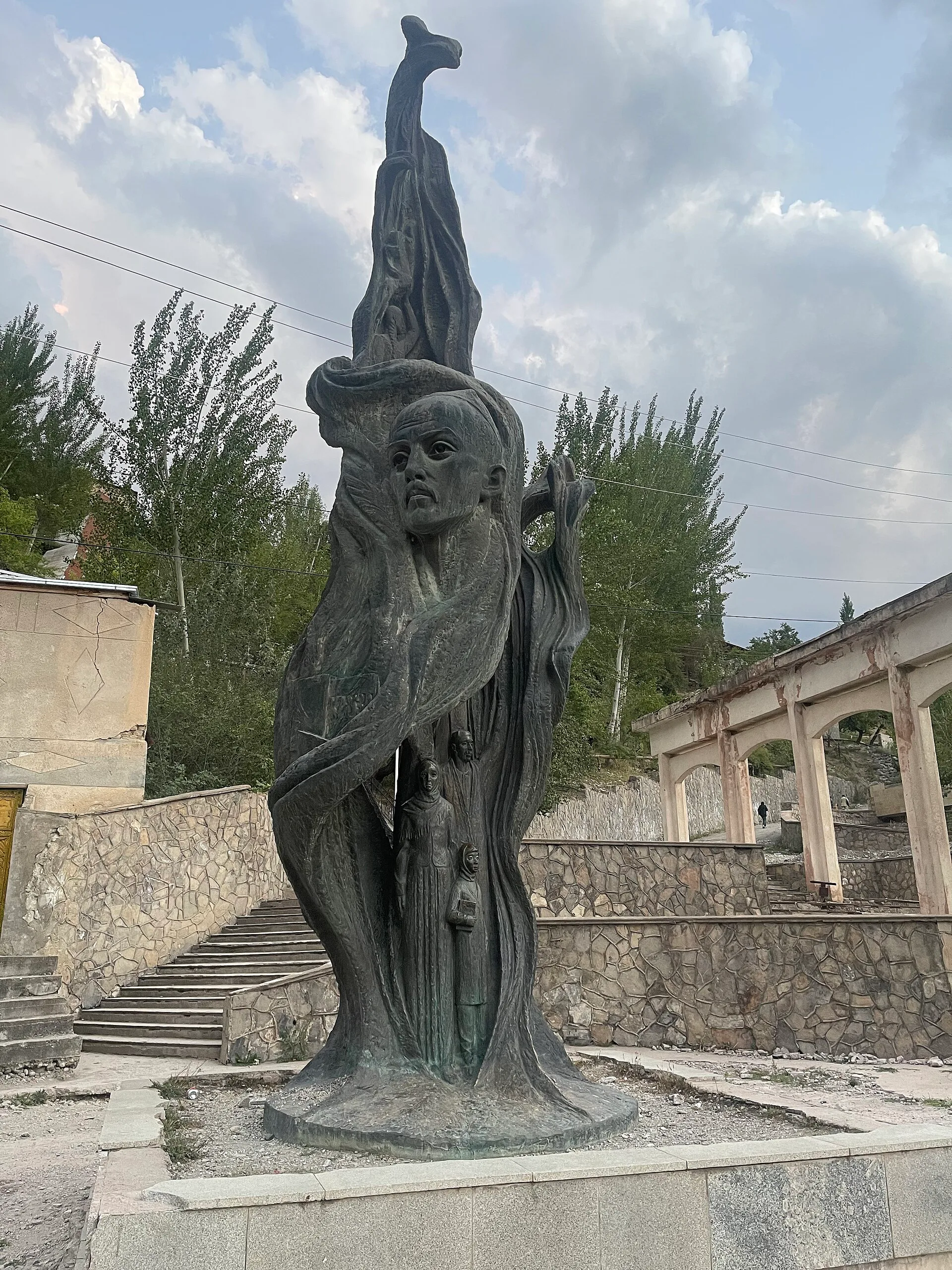
Shohimardon is also tied to the Uzbek poet and playwright Hamza Hakimzade Niyazi, who lived and worked here and was killed by religious zealots in 1929; in Soviet times the village was renamed Hamzaabad. In the park where the rivers meet stand Hamza's mausoleum and a museum opened in 1989 for his centenary.
About 7 km south-east of Shohimardon lies Kok-Kol (Kurbankul), a blue mountain lake formed after earthquakes in 1766, whose water local people regard as holy. The lake is on Kyrgyz territory beyond a border post, and the cable car up to it also runs mostly over Kyrgyz land.
In Soviet times Shohimardon was the Fergana Valley's favourite holiday spot, with sanatoria and summer camps. Border problems after 1991 sharply cut visitor numbers and many camps were abandoned, but local families are now opening guesthouses. The Fergana–Shohimardon bus service was restored in April 2017.
The road to Shohimardon runs from Vodil across Kyrgyz territory, so the journey crosses the Uzbek–Kyrgyz border twice each way. Entry rules have changed several times: after 1999 the Kyrgyz side limited access to the exclave with one-time passes, and the regime was later eased as relations between the two countries improved. Foreign visitors need the right to enter Kyrgyzstan (a visa or visa-free status) and must carry their passport. Before you go, check the current procedure with a tour operator in Fergana or with the border service.