Mausoleum · Buvayda District
Bibi Buvayda Mausoleum
The shrine that named a district
Pilgrimage site · Buvayda District
A shrine in Bekobod village: a 15th–16th-century mausoleum and gatehouse, an early-20th-century mosque and a vast cemetery — part of a Silk Roads nomination.
The Podsho Pirim complex stands in the village of Bekobod in Buvayda District and comprises a cemetery, a mausoleum, a gatehouse and a pilgrims' hall. At its heart is the mausoleum of Imam Shah-i Jali (also recorded as Shah-i Jalil), a preacher of Islam in the valley. The oldest parts date from the 15th–16th centuries, the date archaeologist Iskander Azimov gives the mausoleum. The 19th-century poet Ziyauddin Khokandi called this mazar the supreme patron of Fergana, and it is mentioned many times in the history of the Kokand Khanate.
The archaeologist Yahya Gulyamov, who examined the complex in 1939, noted that locals attributed the mausoleum to Timur, that the extensive cemetery was crusted with salt, and that fired bricks of 54 × 54 × 6 cm — typical of burials from the Mongol period — were found here. The complex is now part of the serial nomination 'Silk Roads: Fergana–Syrdarya Corridor' on UNESCO's World Heritage Tentative List.
The complex has two parts. The first is a transversely elongated rectangular courtyard entered through a 15th-century portal-and-dome gatehouse, with an open-fronted mosque of the early 20th century at the far end. The second is a polygonal courtyard full of graves and a two-chamber mausoleum of the 15th–16th centuries, with a tomb room and a pilgrims' hall. The tomb can be entered either through the hall or by a special low portal facing south. The monument has been rebuilt and repaired many times.
Mausoleum · Buvayda District
The shrine that named a district
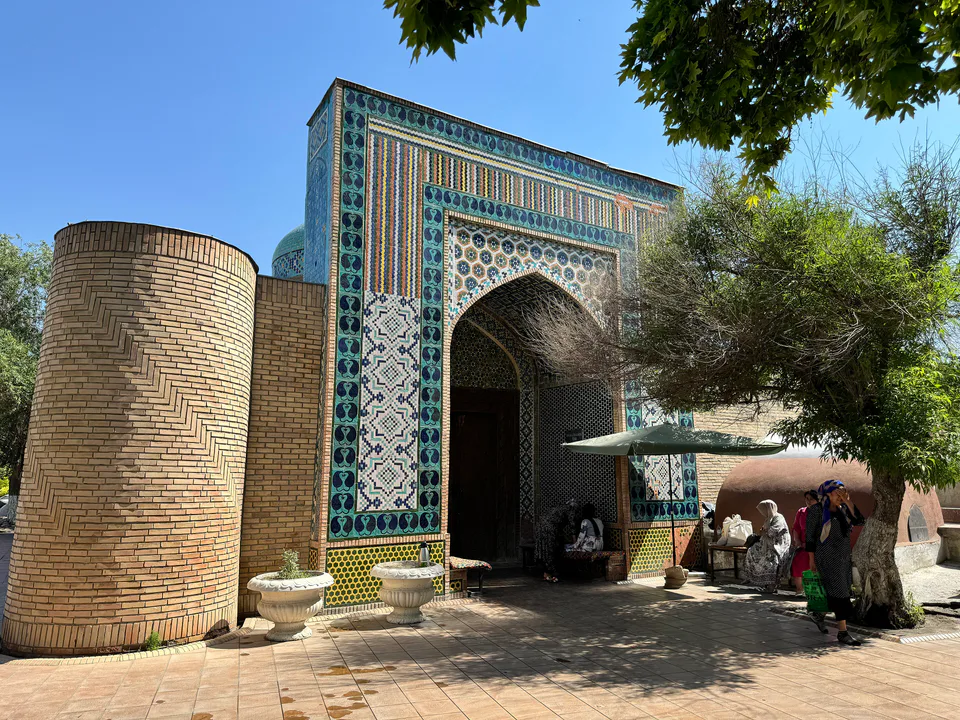
Mausoleum · Kokand
Burial place of the khans of Kokand
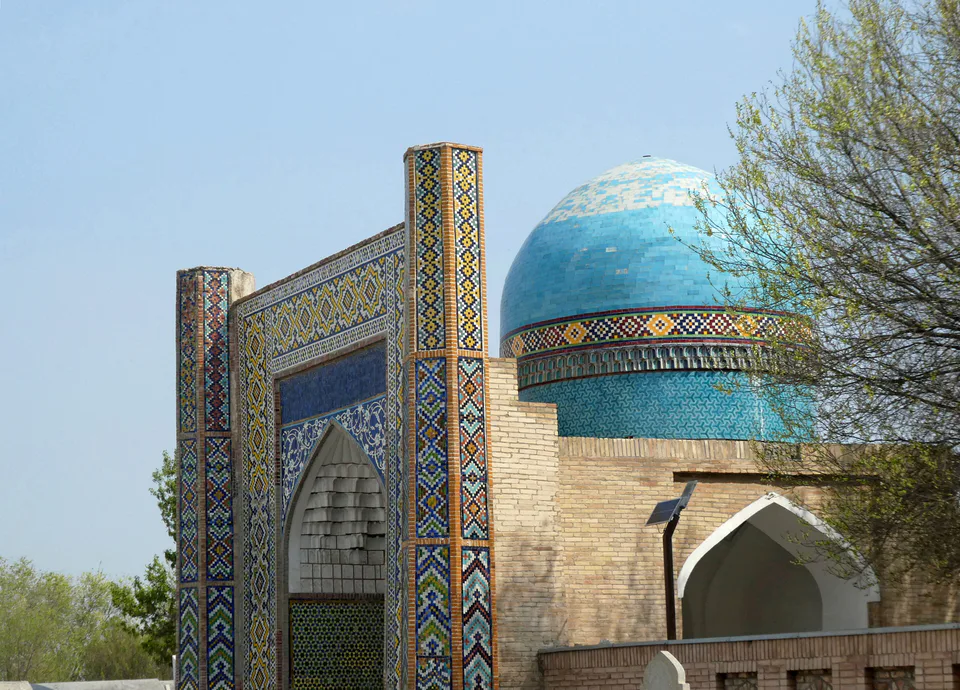
Mausoleum · Kokand
A tomb built for the khan's mother
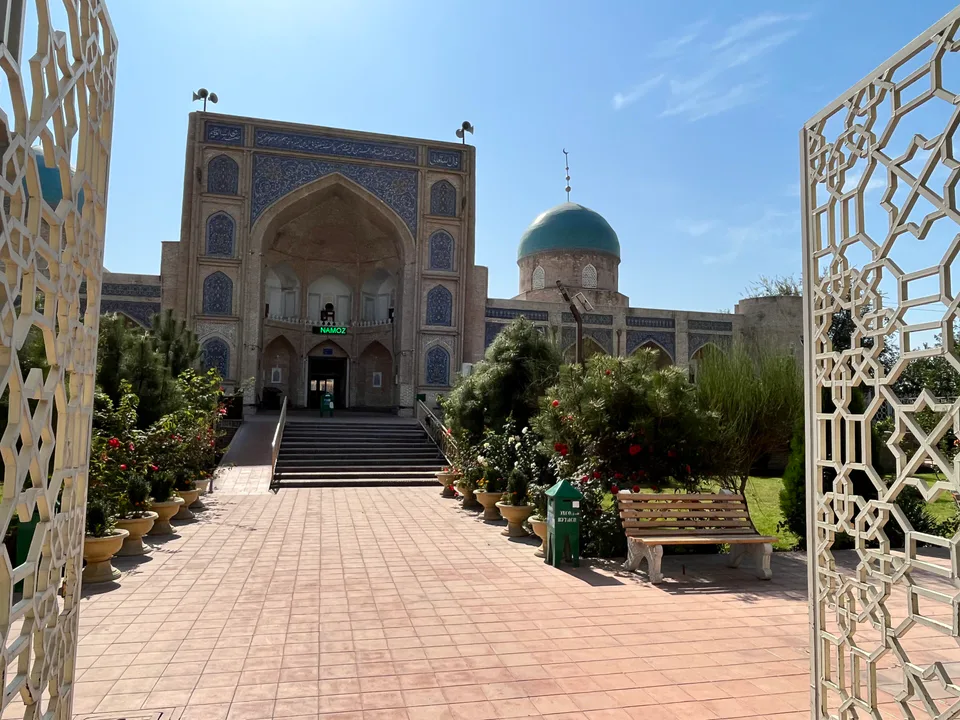
Madrasa · Kokand
Kokand's oldest surviving building
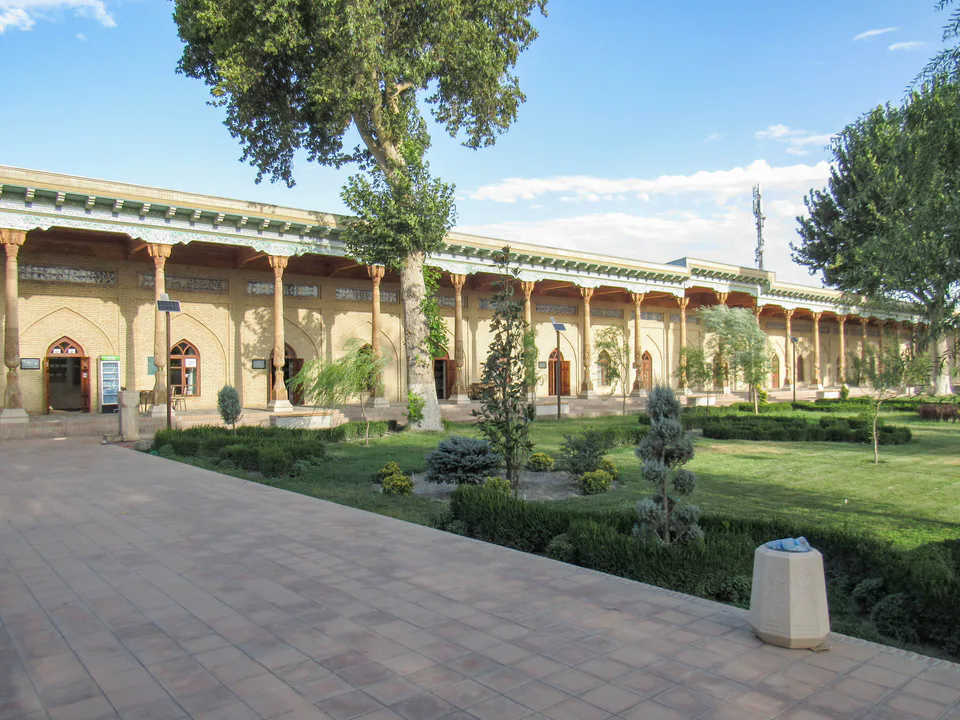
Mosque · Kokand
A 98-column iwan and the Chorsu minaret
Archaeology · Kokand
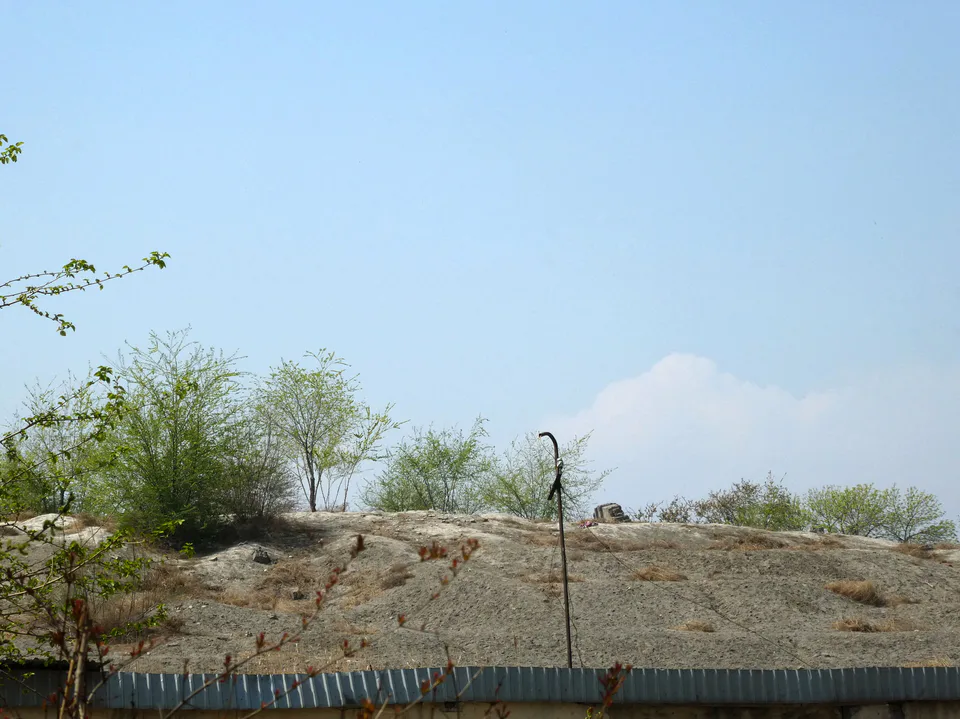
Kokand's two-thousand-year-old mound
Museum · Kokand
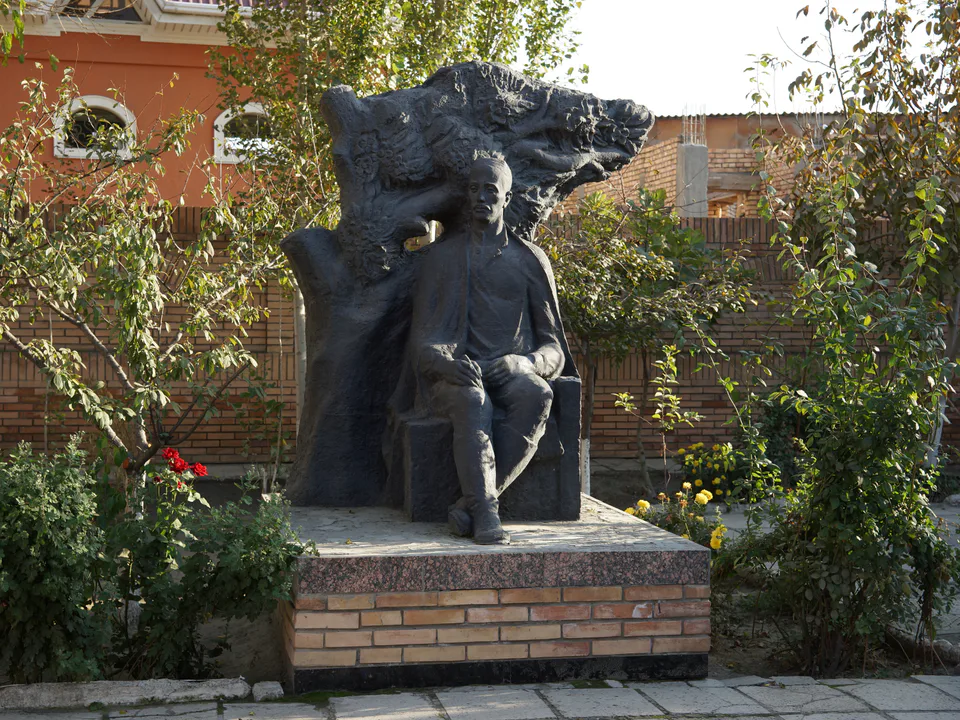
In memory of the poet and playwright Hamza
Madrasa · Kokand
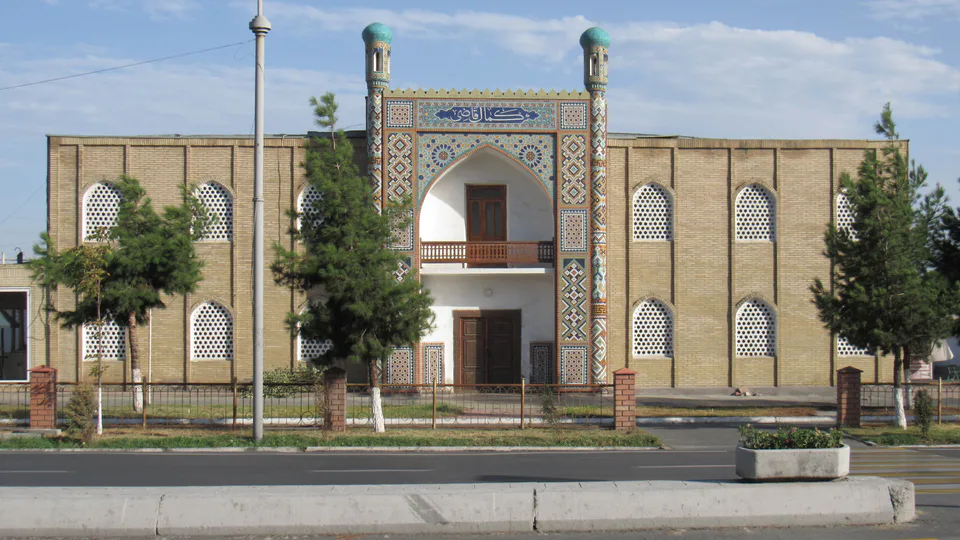
A compact madrasa built by Judge Kamol
Ensemble · Kokand
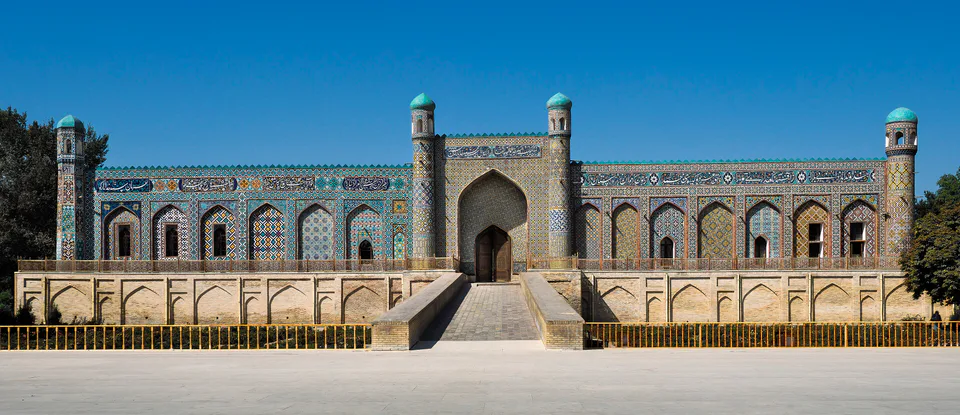
The last palace of the khans of Kokand