Culture & arts · Rishtan District
Alisher Nazirov Workshop
A pottery school in Rishtan
Culture & arts · Rishtan District
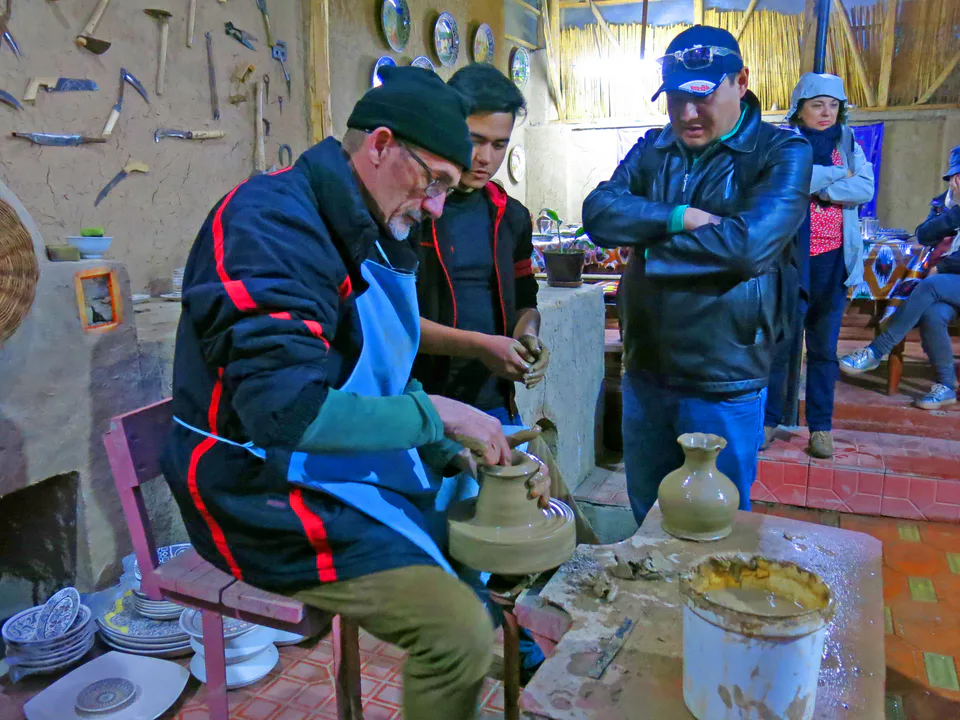
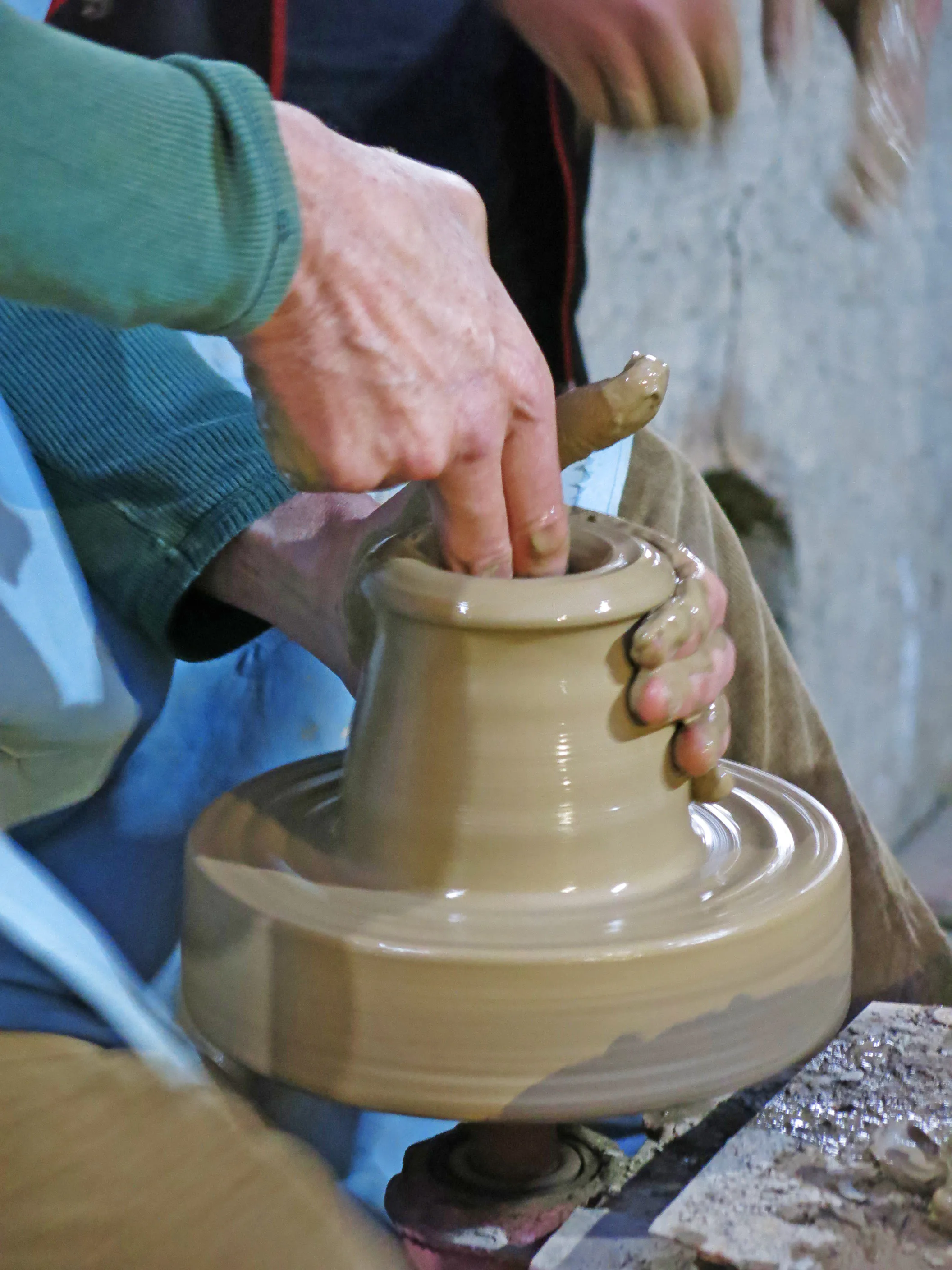
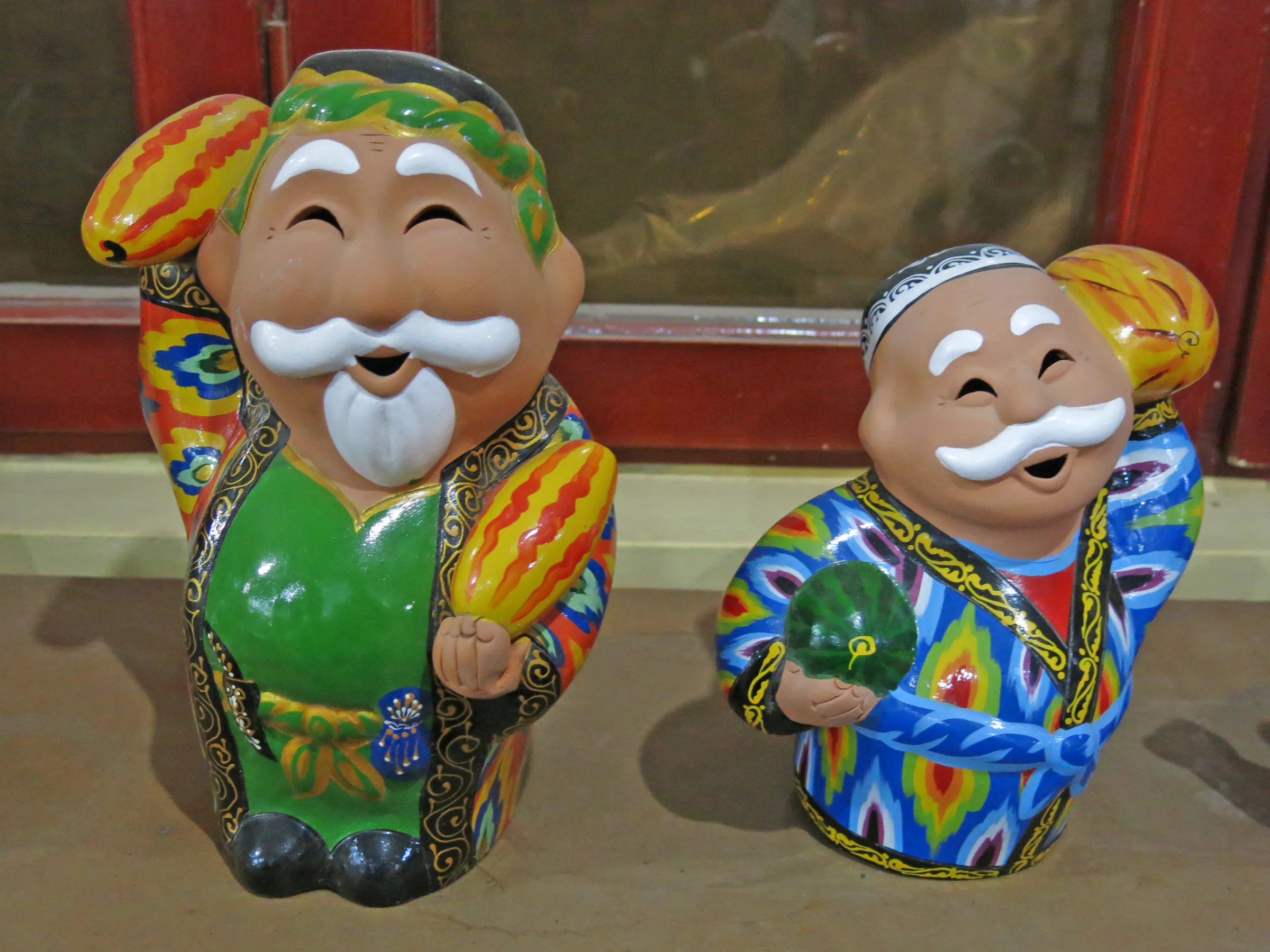
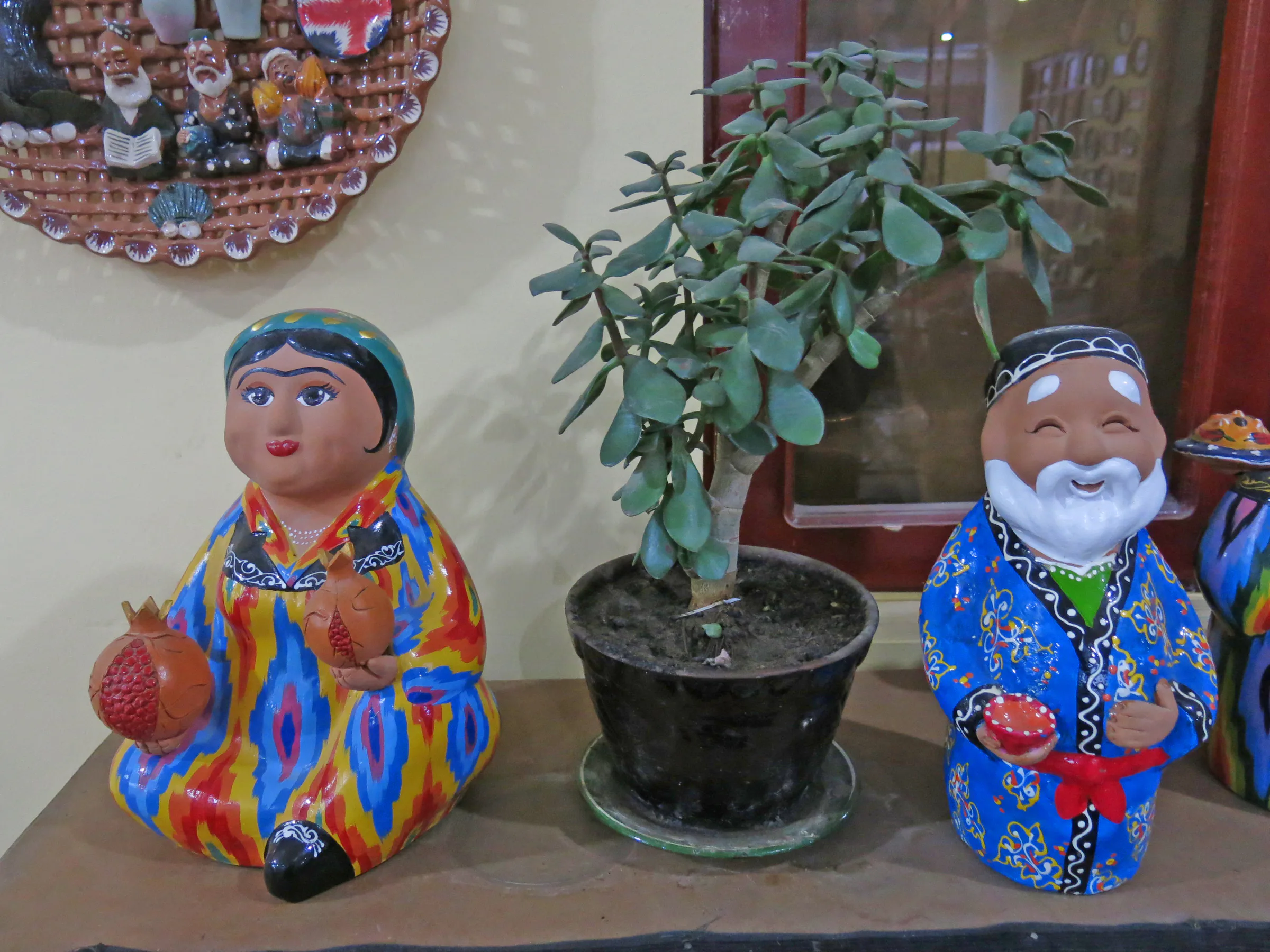
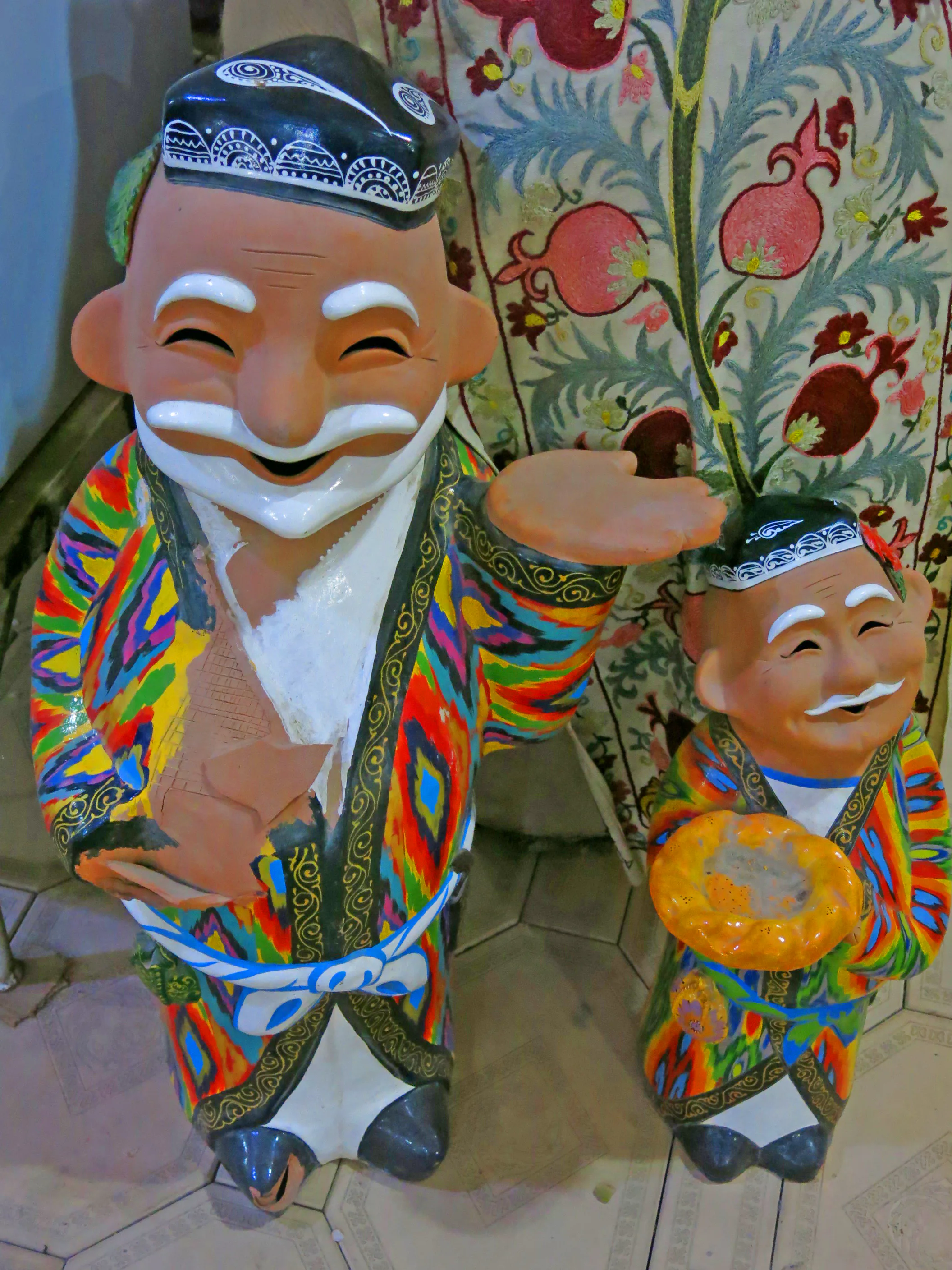
The home workshop and museum of Rishtan master potter Rustam Usmanov: watch blue ishkor-glazed ware being made and see a collection of old Rishtan ceramics.
Rishtan is one of the oldest towns in the Fergana Valley and one of Central Asia's largest centres of glazed ceramics. One theory traces its name to Sogdian 'rush', 'red earth', after the reddish local clay known as khoki surkh. The town long had its own potters' quarters — Dahbed, Chinnigaron, Kuzagaron and Kulolon.
While the traditions of many neighbouring pottery centres had all but vanished by the late 20th century, the craft in Rishtan carried on without a break and kept its stylistic unity. In the 18th century the brothers Abdujalol and Abdujamil revived the faience-like chinni technique, lost since the Middle Ages, using recipes from Kashgar and Iran, and their pupil Abdulla the potter (1797–1872) became the acknowledged elder of all Rishtan potters. By the early 19th century more than a hundred workshops employed over 300 people.
Rustam Usmanov is a first-generation potter and the only Rishtan master with a professional art education: in 1980 he graduated in industrial graphics from the Tashkent Theatre and Art Institute, and he studied under the renowned potters Hakimjon Sattarov and Ibrohim Kamilov. An 'usto naqqosh', or master painter, he commands a range of painting and glazing techniques and studies the work of old masters and archaeological finds to revive forgotten ornaments.
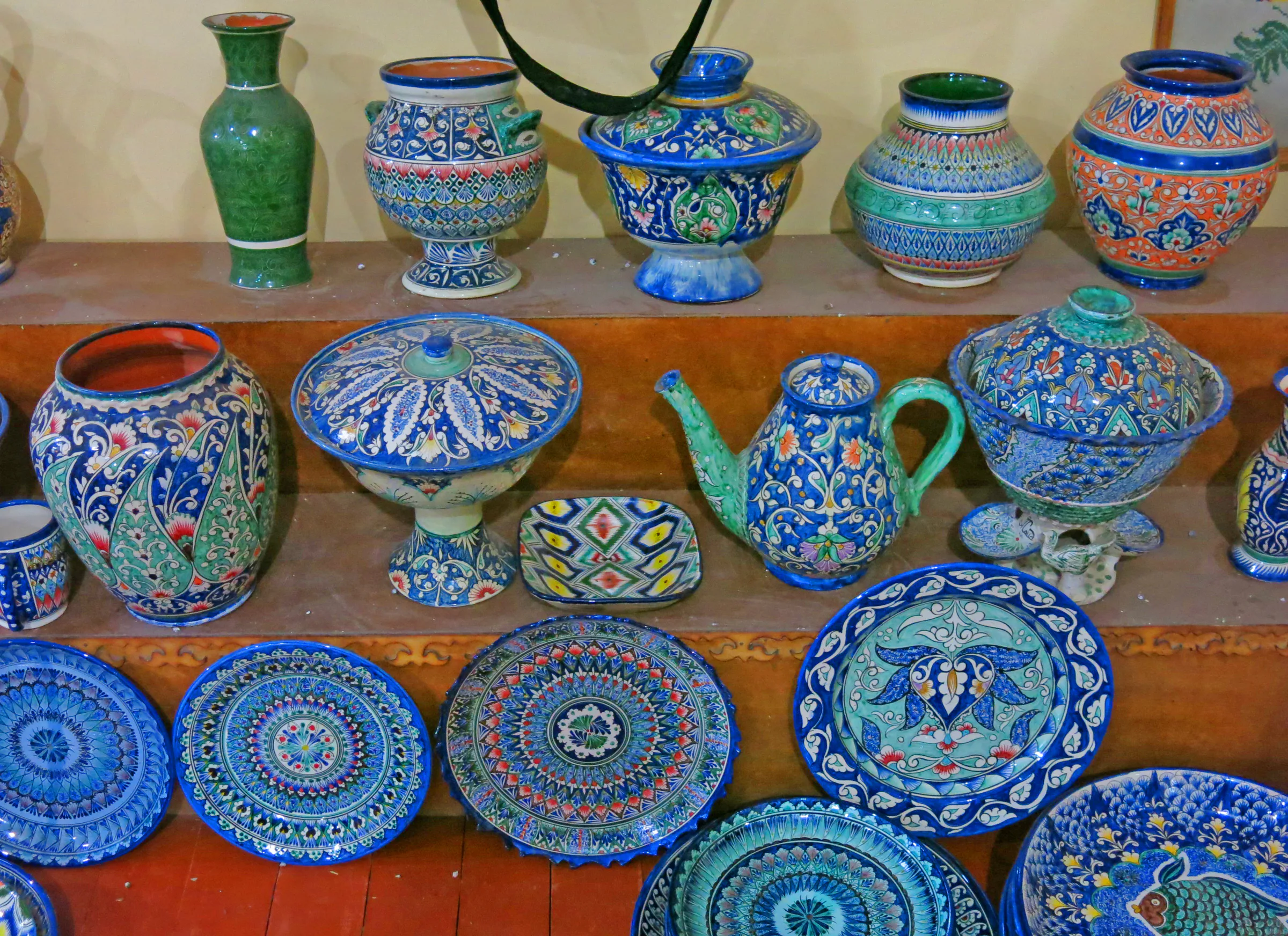
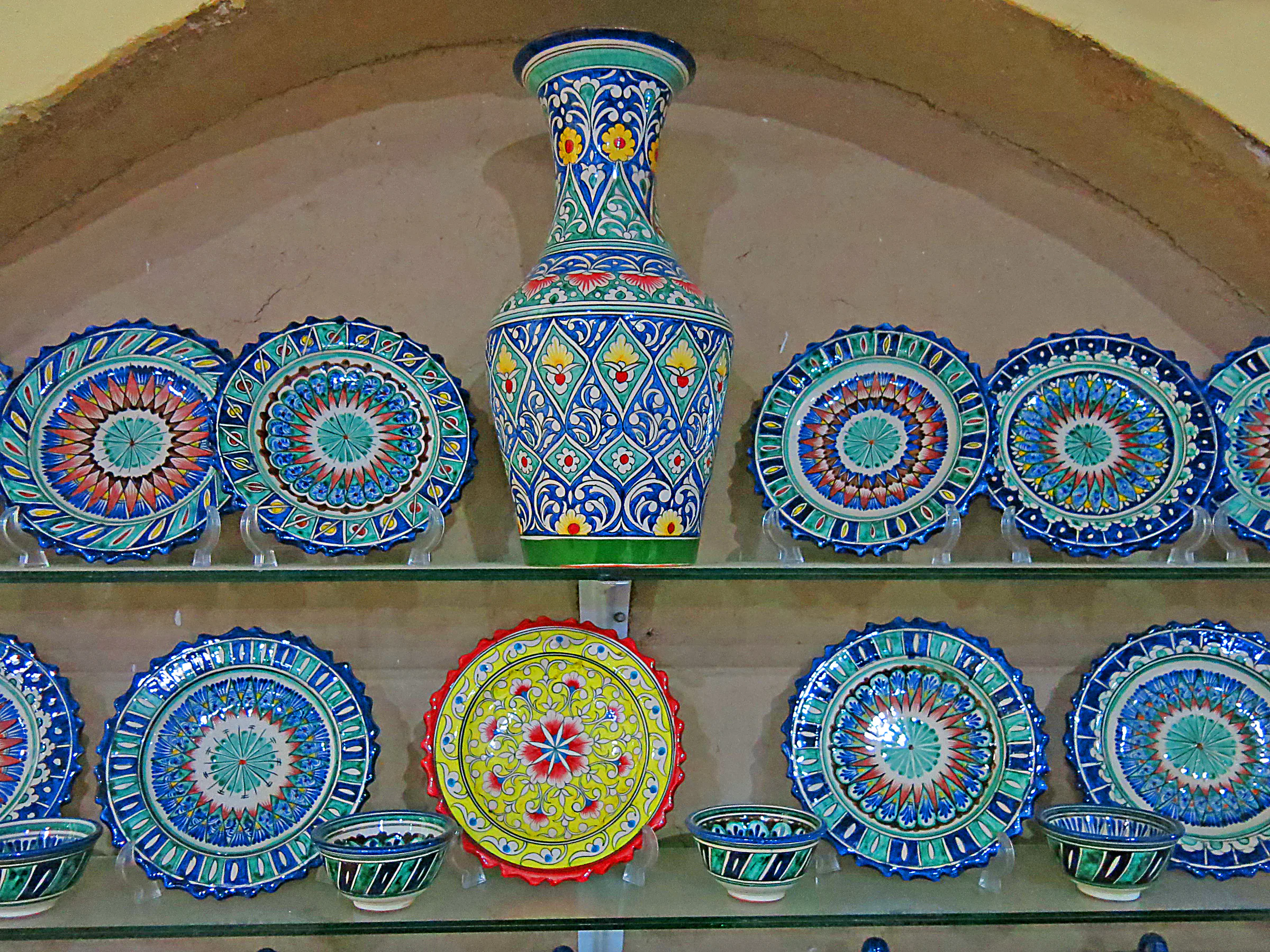
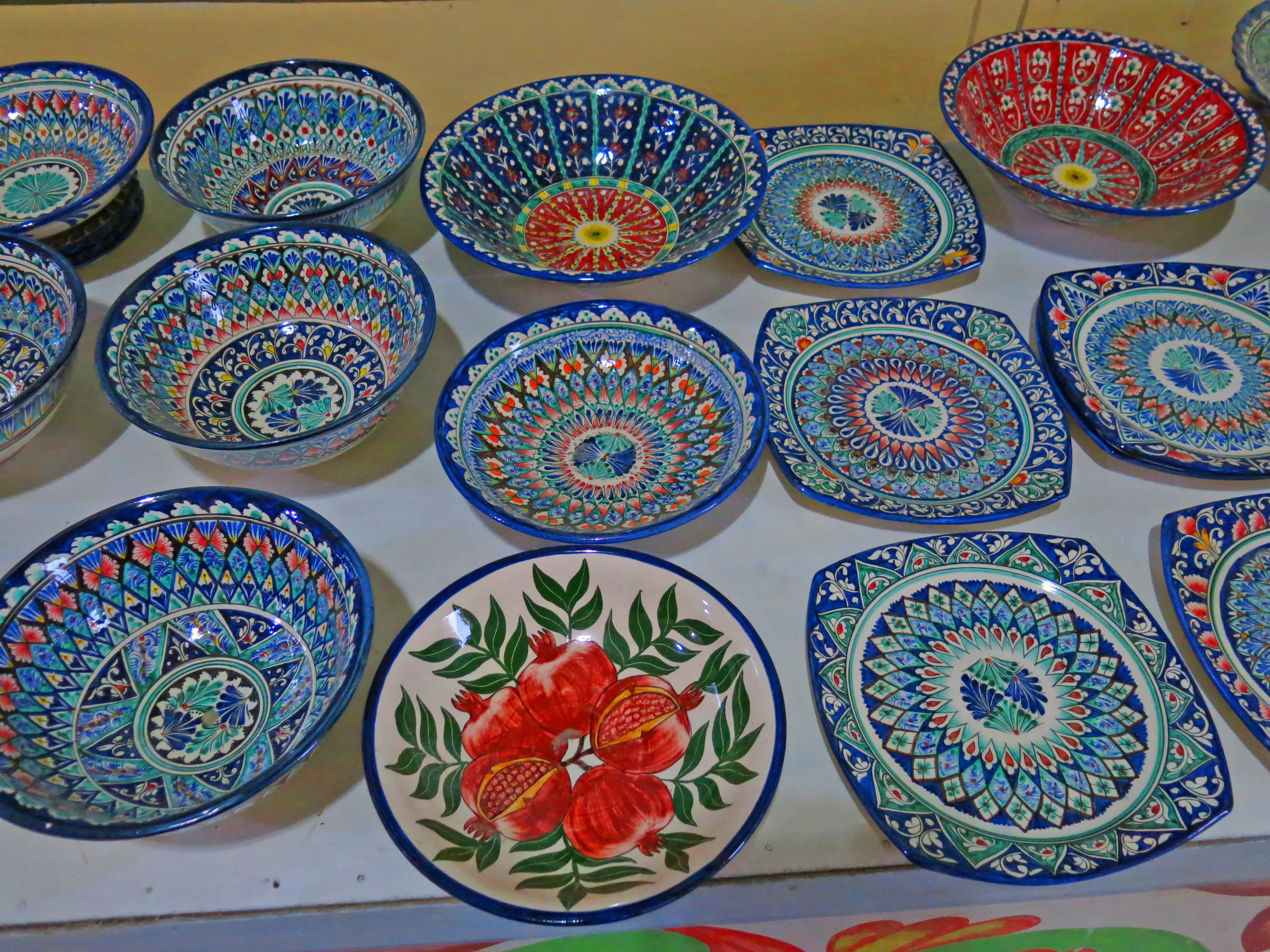
Usmanov was one of the first in Rishtan to turn his own home into an open workshop-museum. Besides his own pieces it shows an interesting collection of antique Rishtan ceramics. Visitors can watch pots being thrown on the wheel, painted and fired in the kiln, and buy dishes, bowls and plates straight from the workshop.
Rishtan ware owes its blue and turquoise tones to ishkor, an alkaline glaze made from the ash of desert plants and used together with local clay and natural pigments. Common motifs include pomegranates, almonds, pepper pods, flowers and geometric patterns. Works by Rishtan masters are held by the State Museum of Arts of Uzbekistan, the Museum of Oriental Art in Moscow, the Russian Museum of Ethnography and the Hermitage in St Petersburg, and a ceramics museum in Komatsu, Japan.
Many family workshops still operate in Rishtan, each with its own signature — some revive old patterns, others experiment with contemporary forms. That is why visiting several in a single day and comparing styles is so rewarding.
Culture & arts · Rishtan District
A pottery school in Rishtan
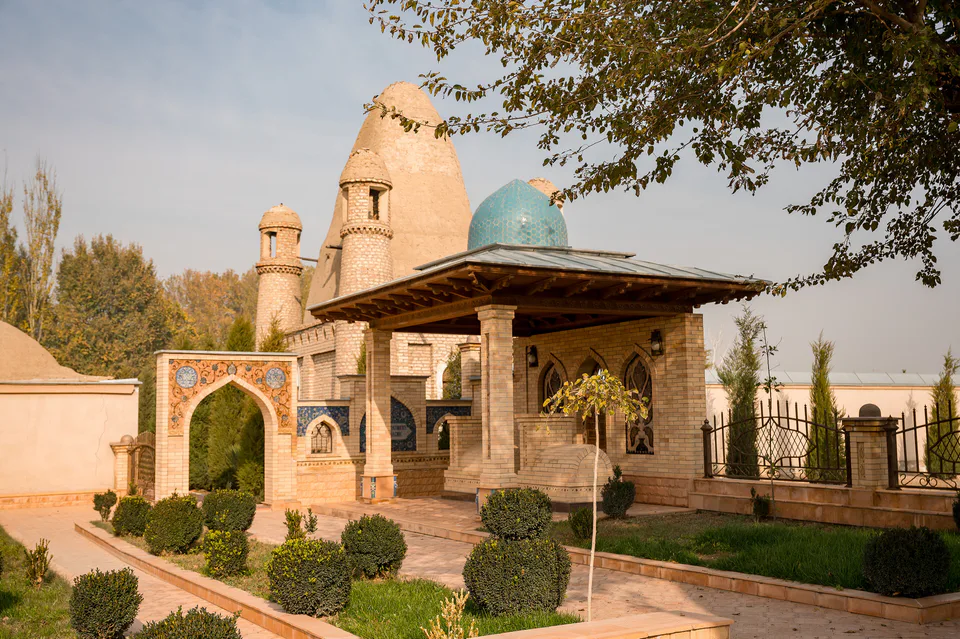
Mosque · Rishtan District
Rishtan's many-columned iwan mosque
Pilgrimage site · Buvayda District
The shrine of Fergana's 'supreme patron'
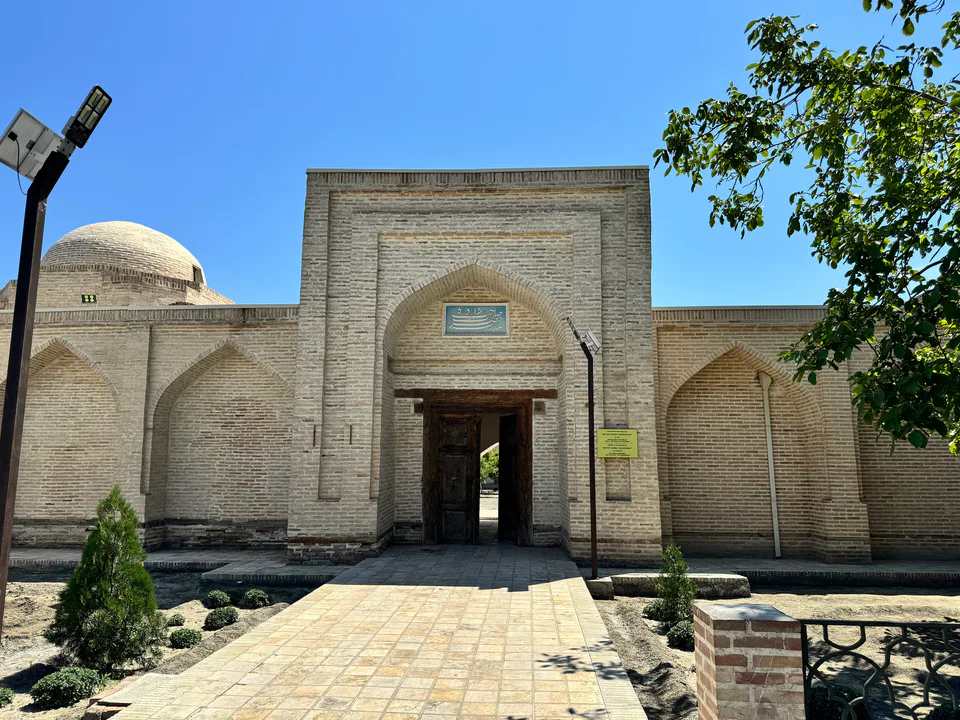
Madrasa · Kokand
The cell where the poet Mukimi lived
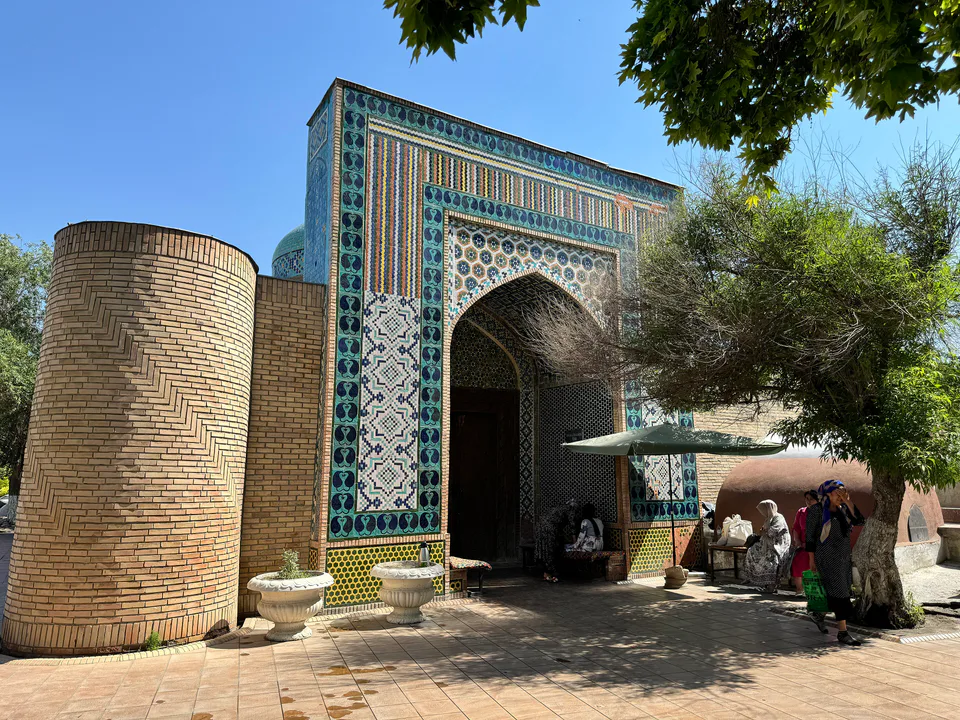
Mausoleum · Kokand
Burial place of the khans of Kokand
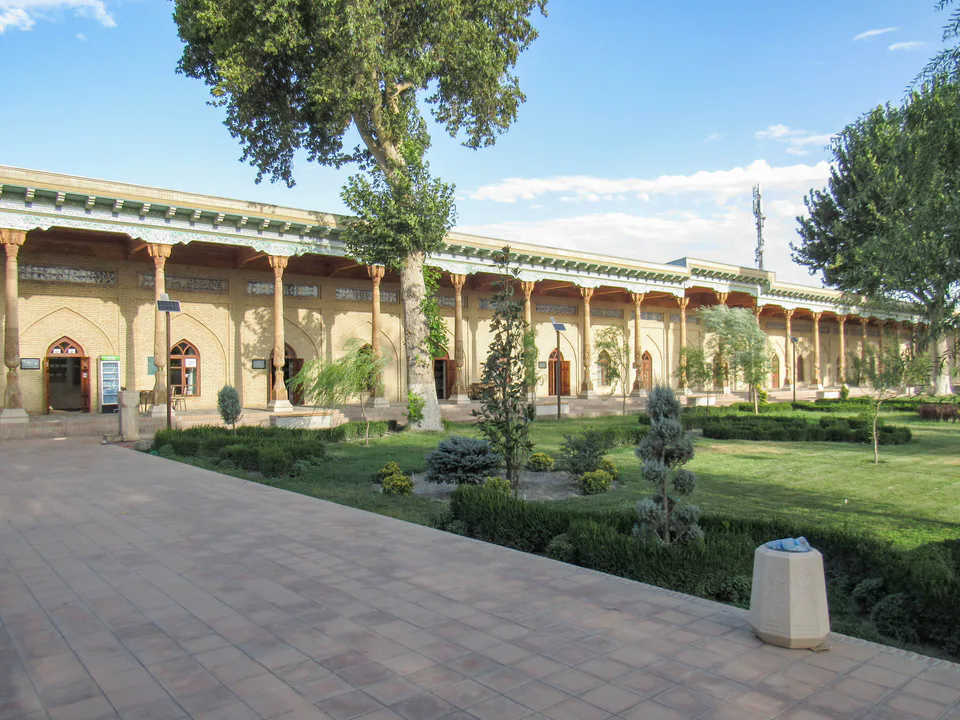
Mosque · Kokand
A 98-column iwan and the Chorsu minaret
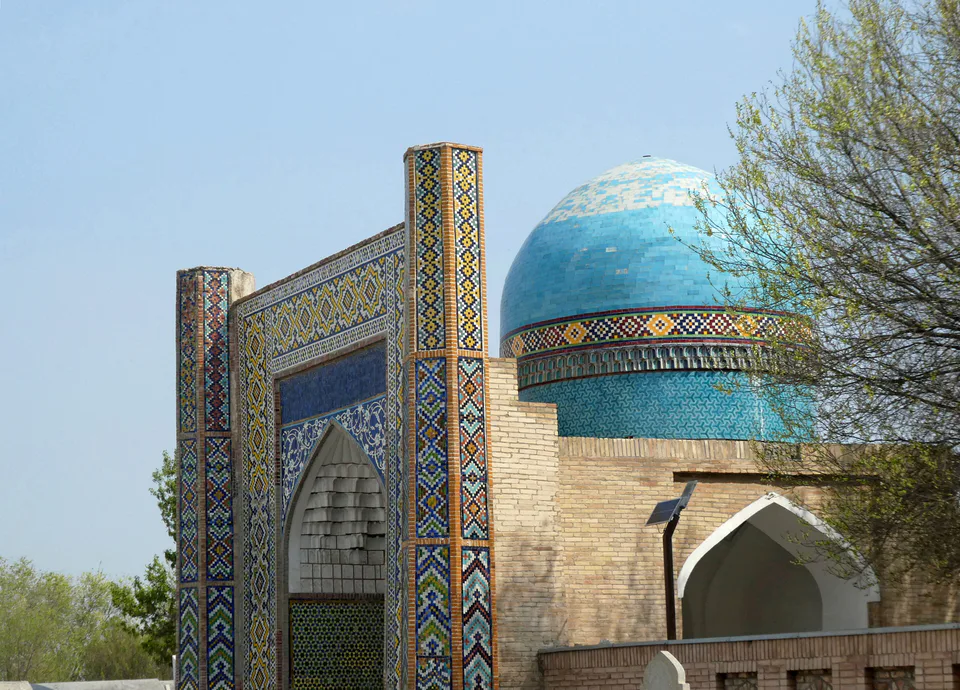
Mausoleum · Kokand
A tomb built for the khan's mother
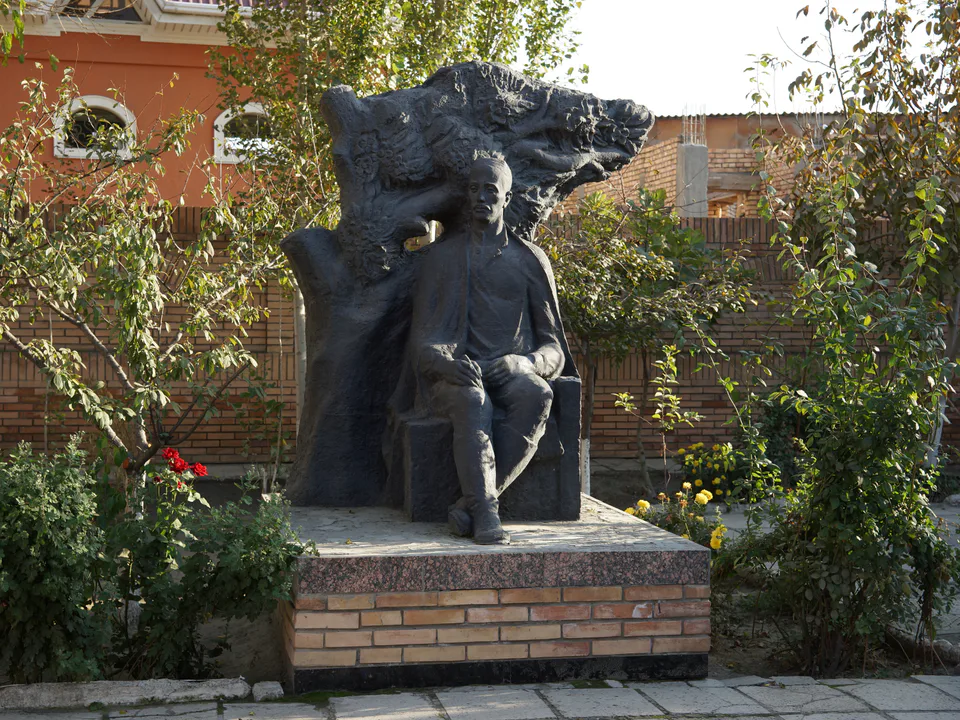
Museum · Kokand
In memory of the poet and playwright Hamza
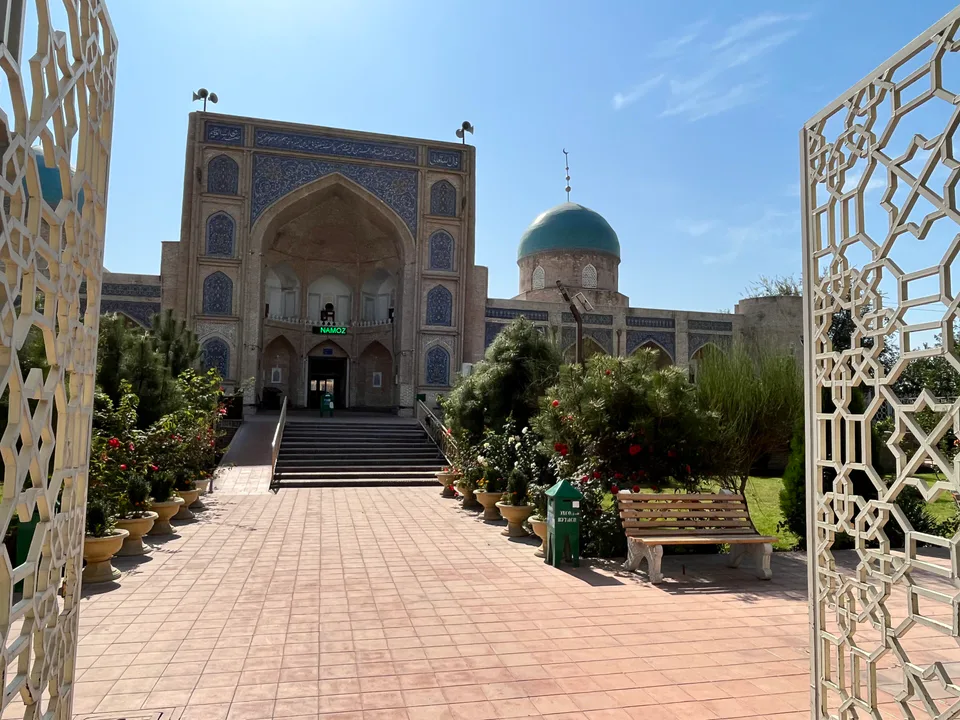
Madrasa · Kokand
Kokand's oldest surviving building
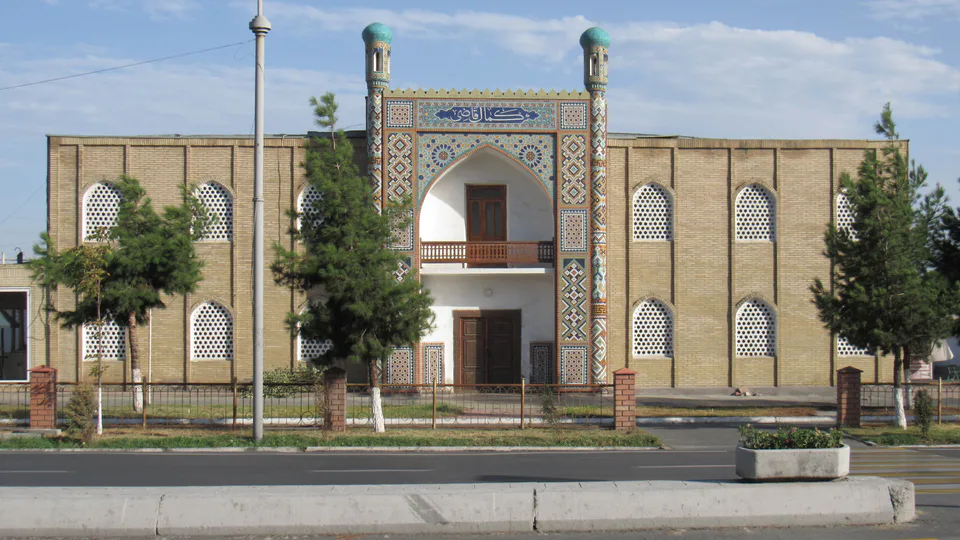
Madrasa · Kokand
A compact madrasa built by Judge Kamol