Nature · Forish District
Nurata State Nature Reserve
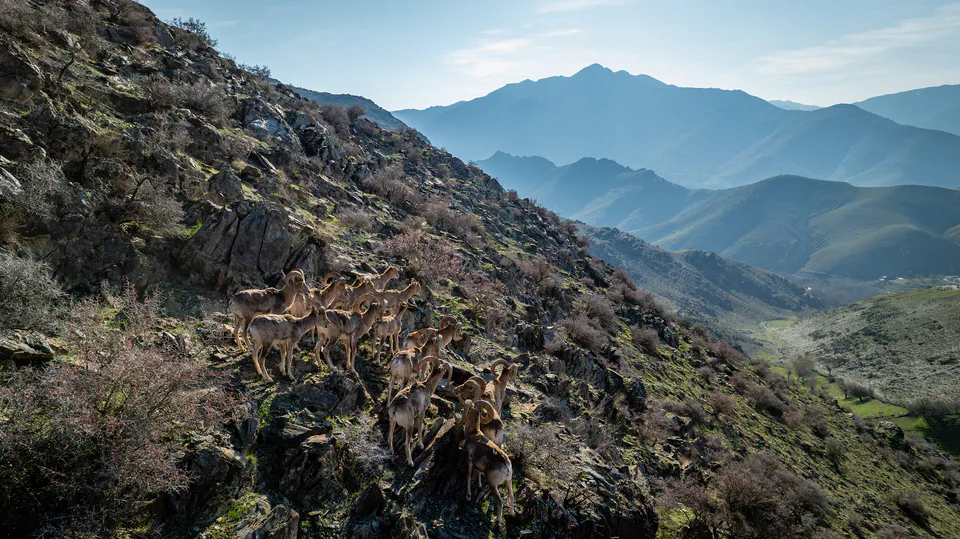
Home of Severtsov's argali and wild walnut groves
Nature · Forish District
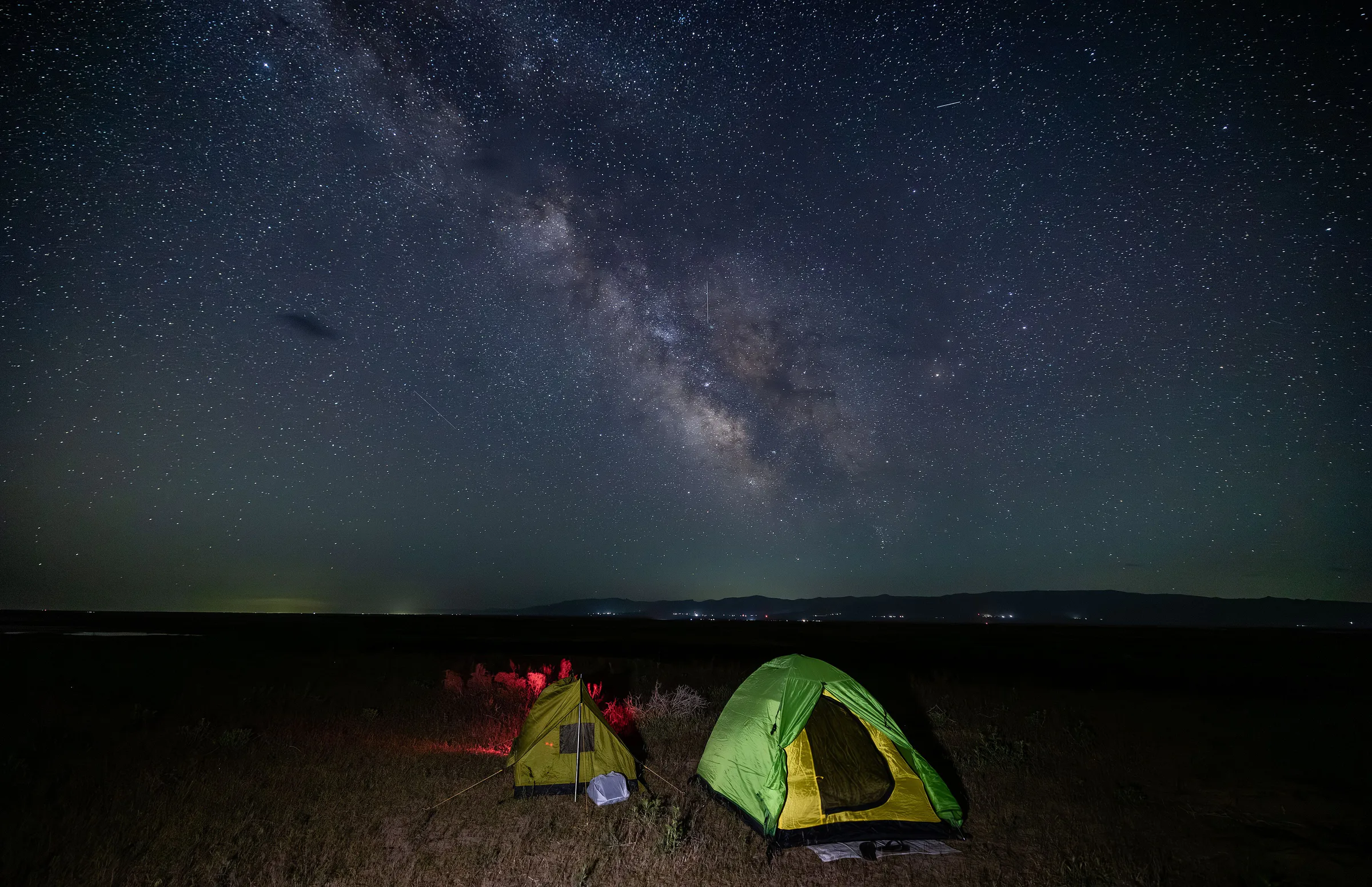
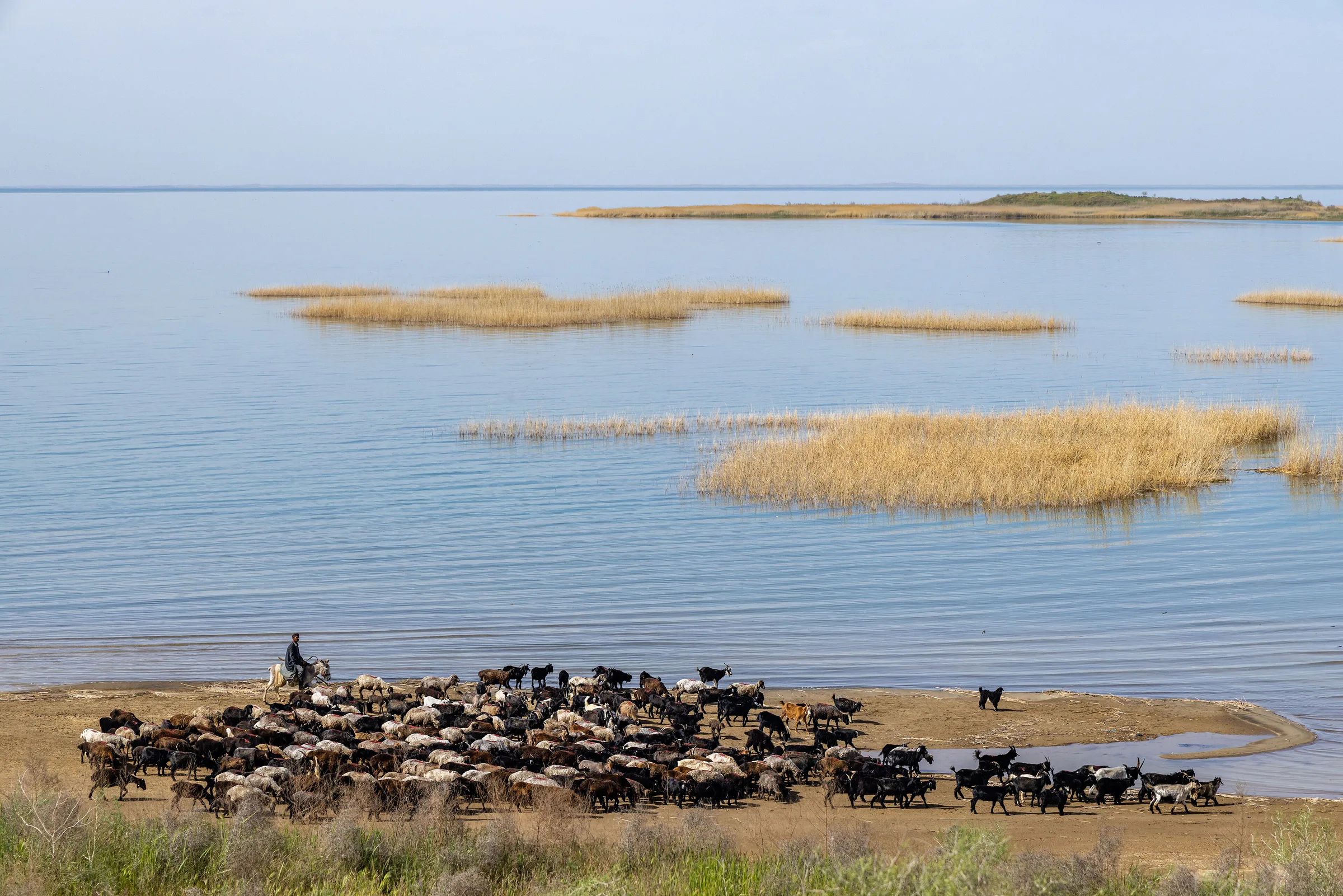
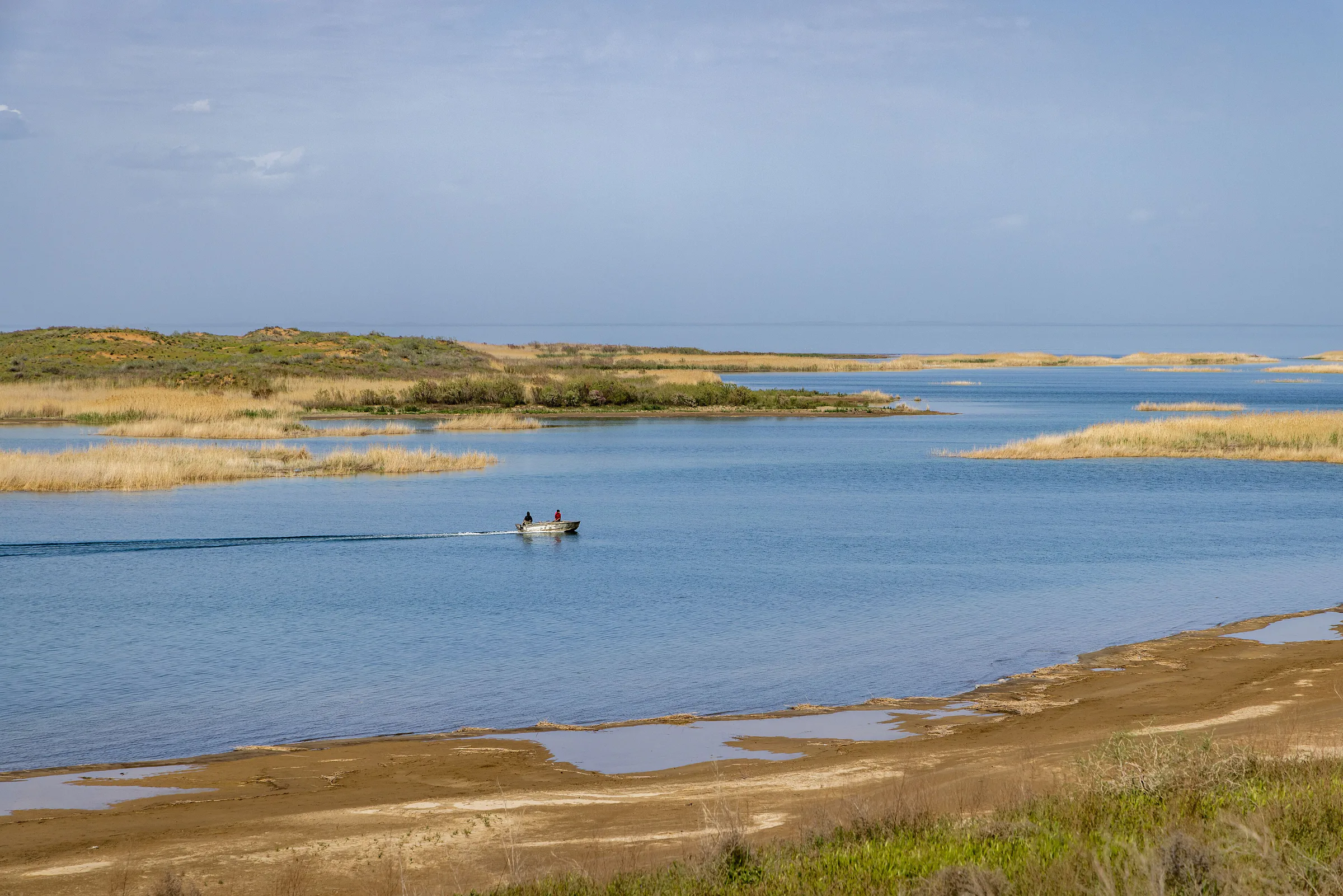
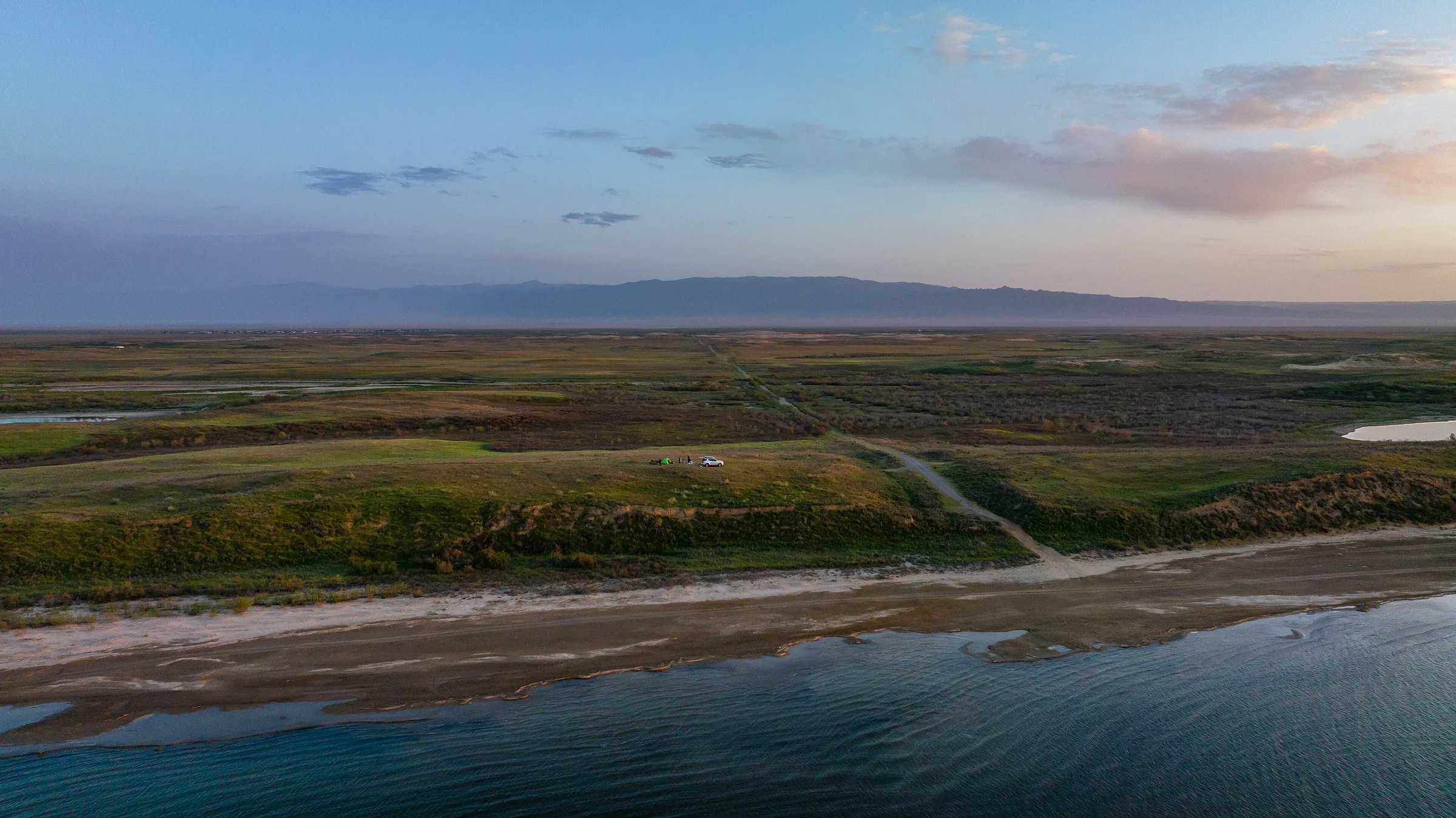
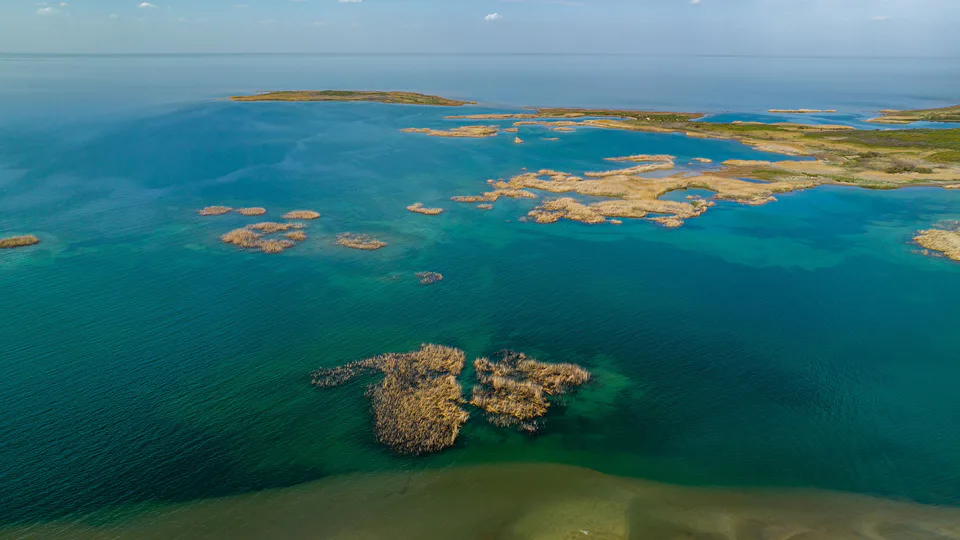
A lake system on the eastern edge of the Kyzylkum, created by the 1969 flood: Aydarkul, Tuzkan and the Eastern Arnasay lakes, covering some 4,000 km² in all.
In the early 1960s the Shardara reservoir and power station were built on the Syr Darya. When a huge flood struck in 1969, the dam could not cope, and from February 1969 to February 1970 almost 60 per cent of the river's annual flow, 21 km³ of water, was diverted into the Arnasay depression. Where the salty Tuzkan lake had appeared only briefly each spring before drying out, a vast body of water took shape.
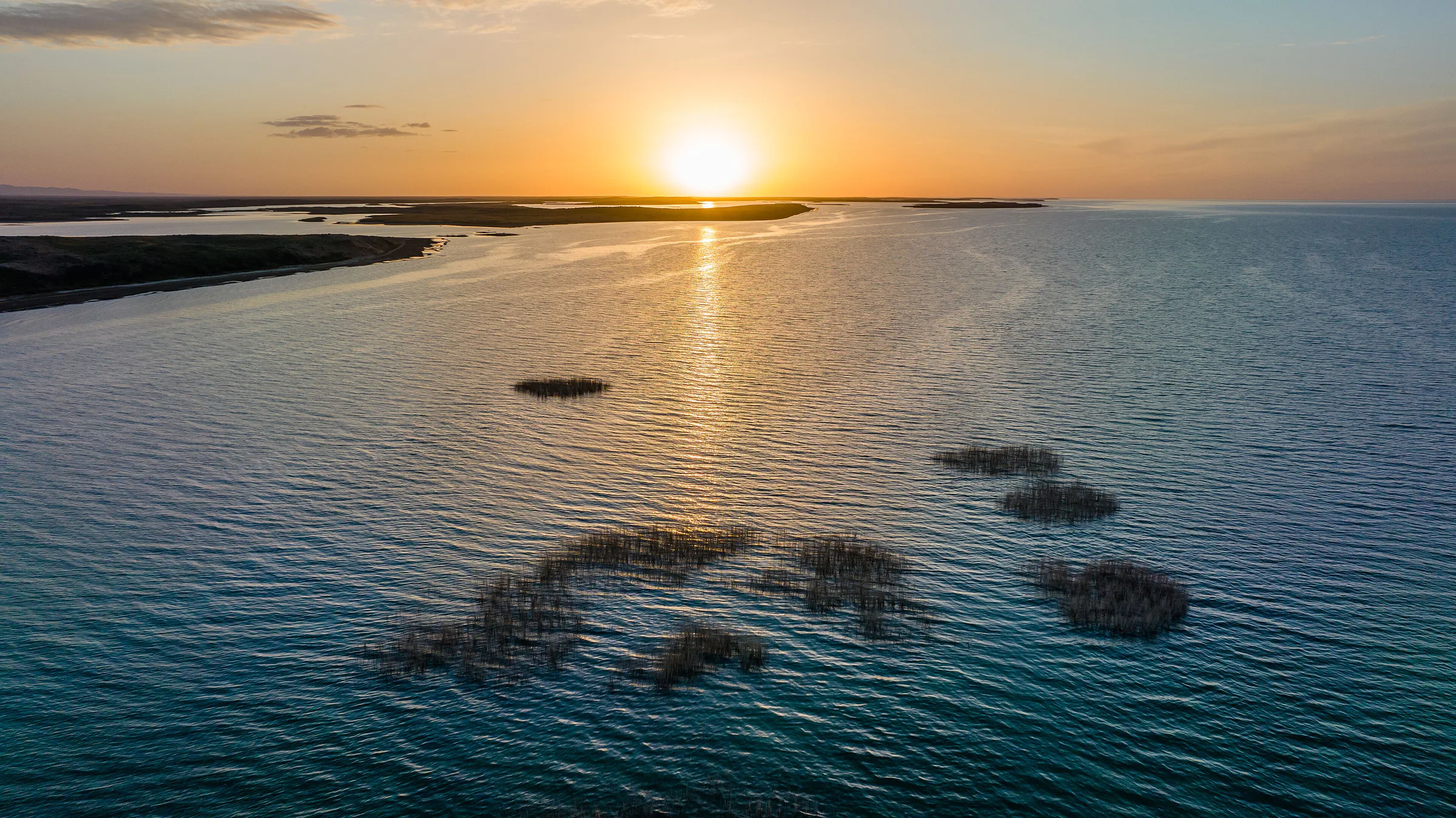
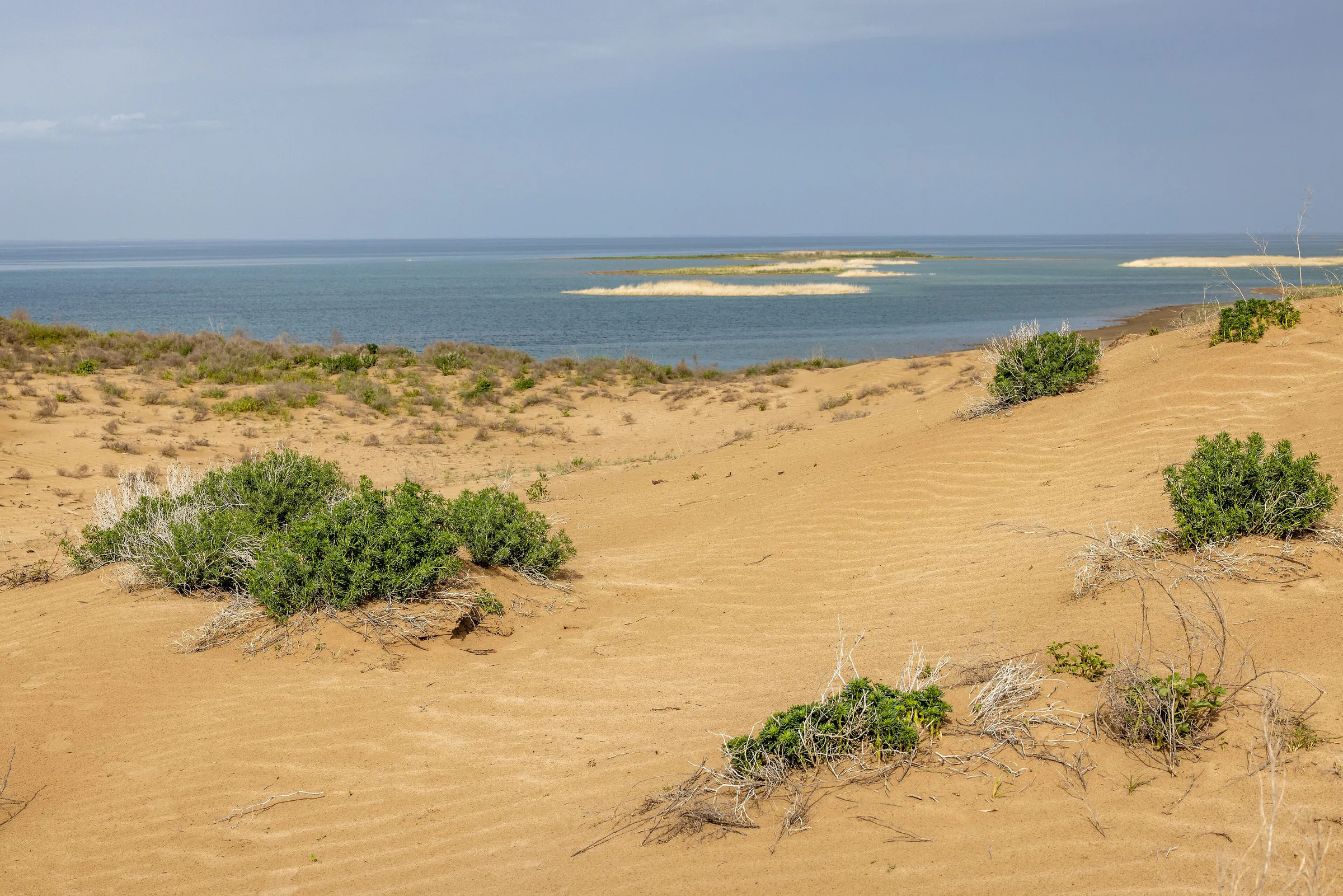
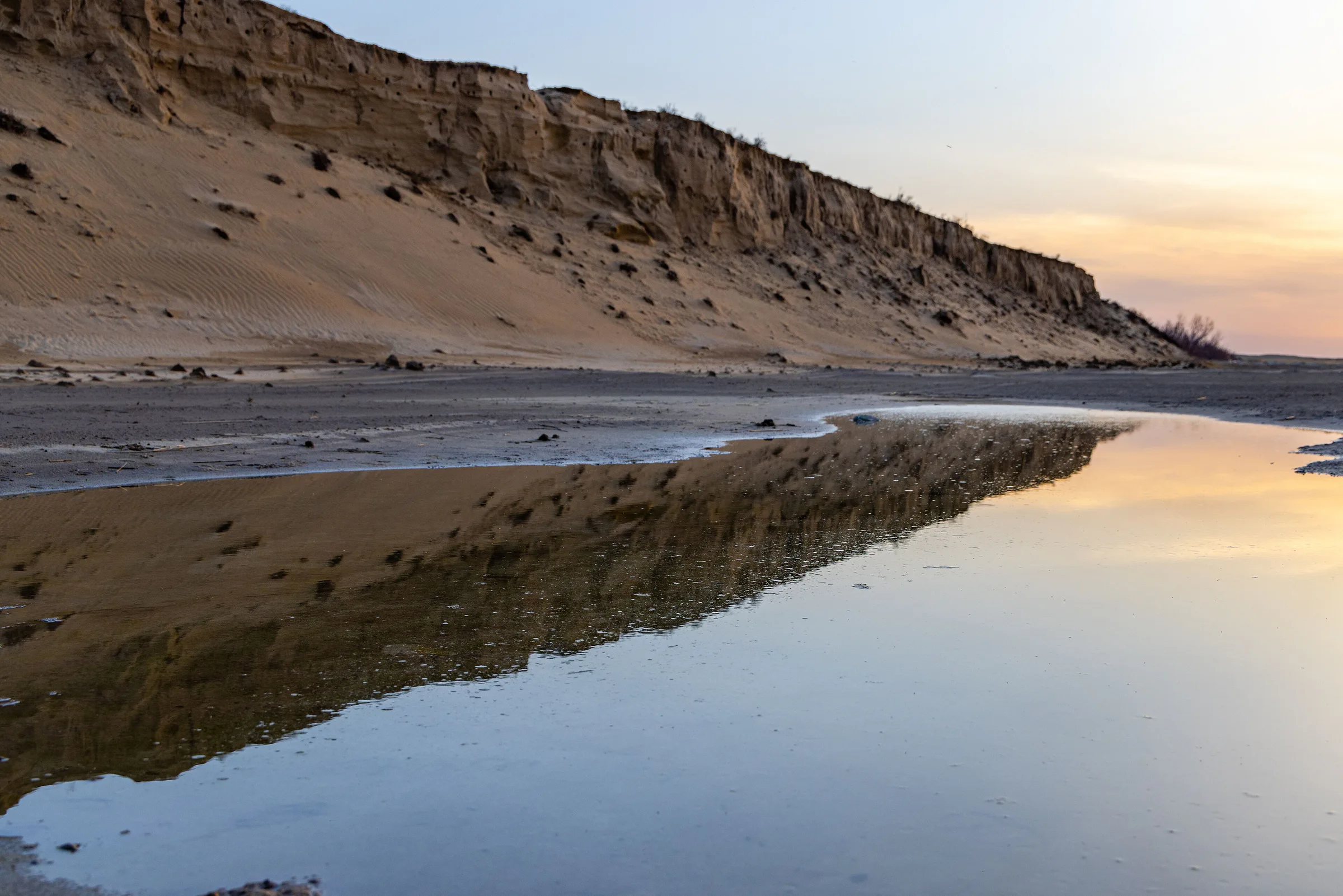
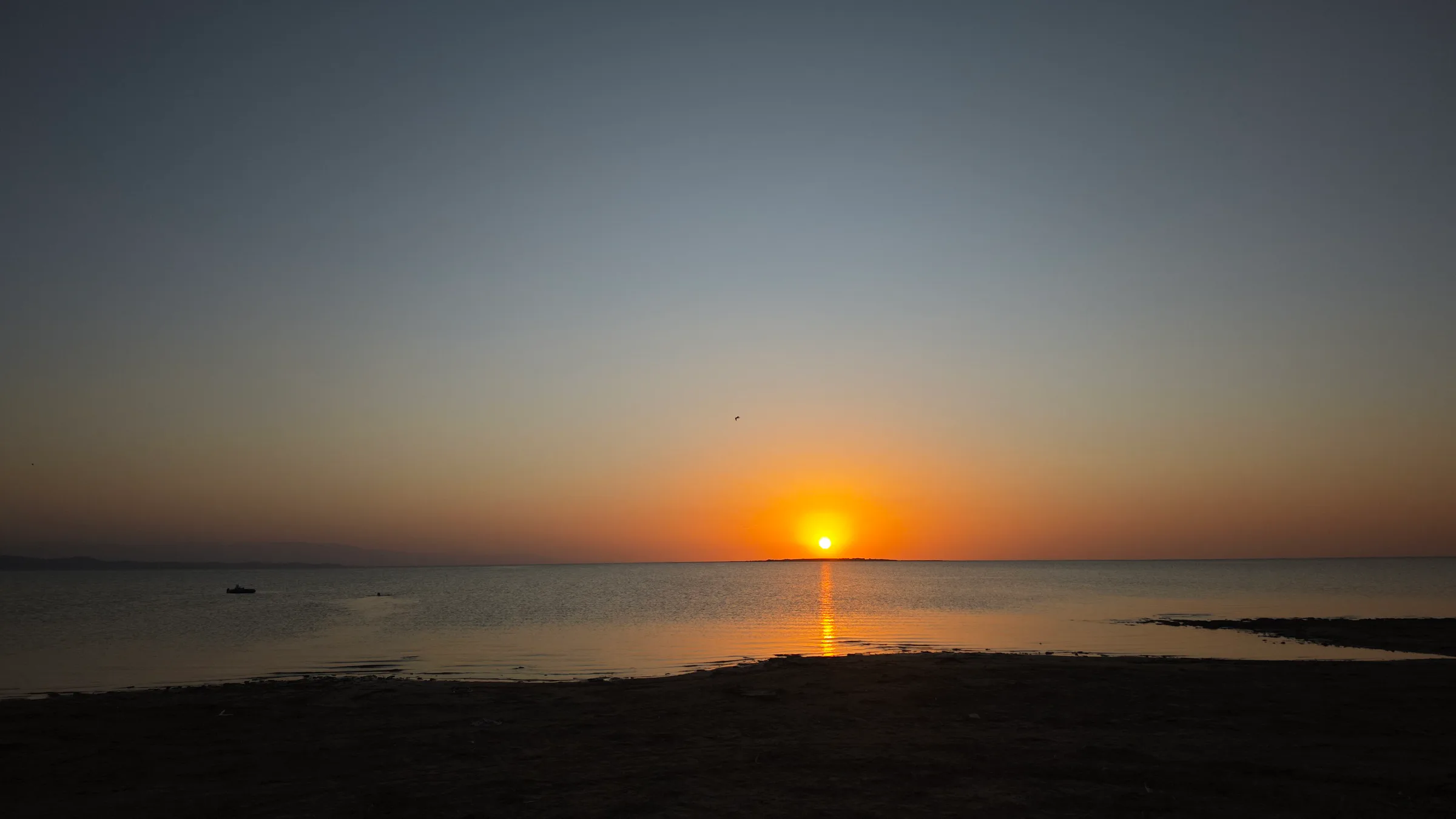
Since then, surplus water from Shardara has been sent this way in high-water years, creating the largest lake in the region after the Aral Sea. Its highest recorded level is 247 metres above sea level, and the meeting of Kyzylkum dunes and blue water makes for a striking landscape of sand ridges on one side and open water to the horizon on the other.
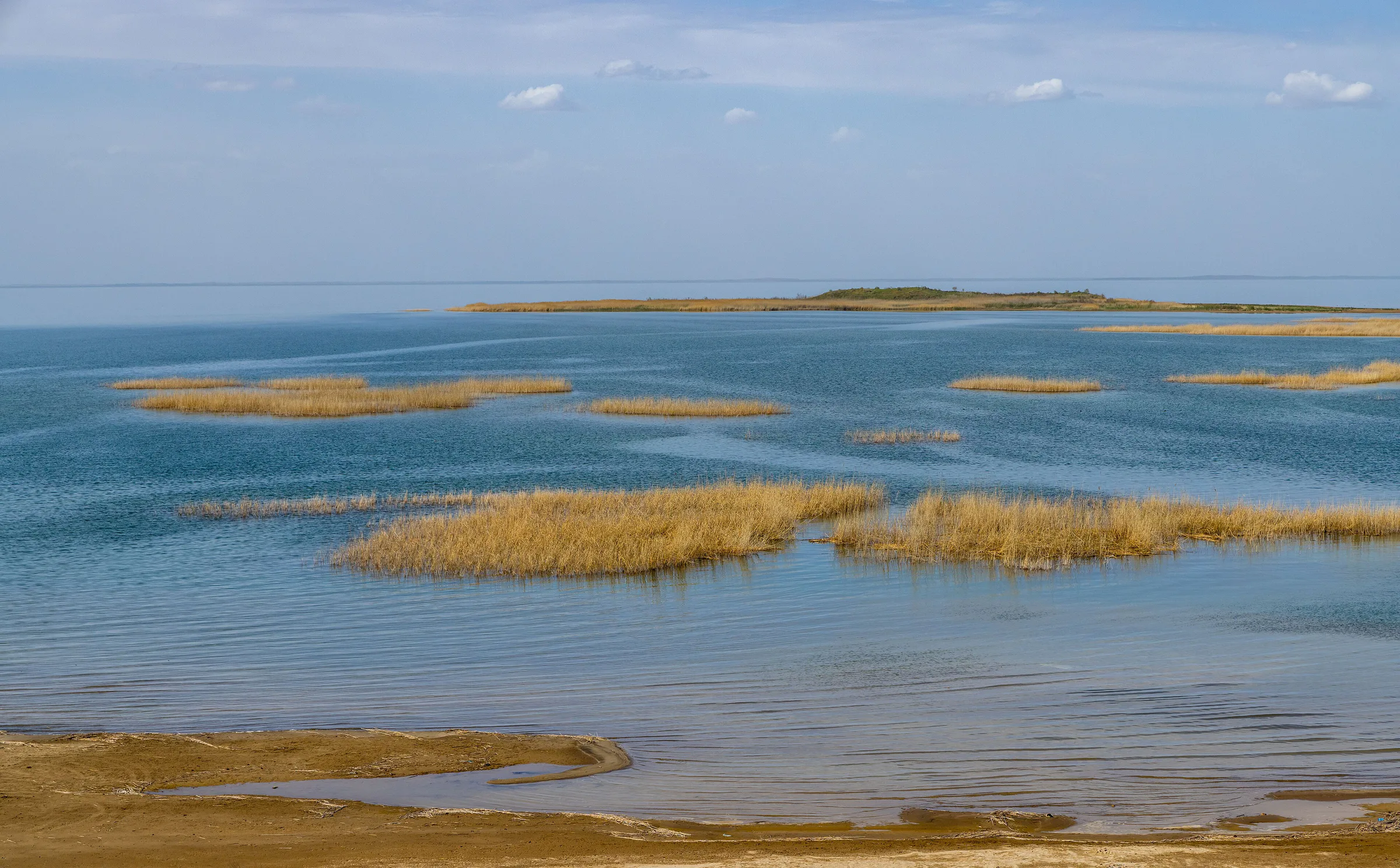
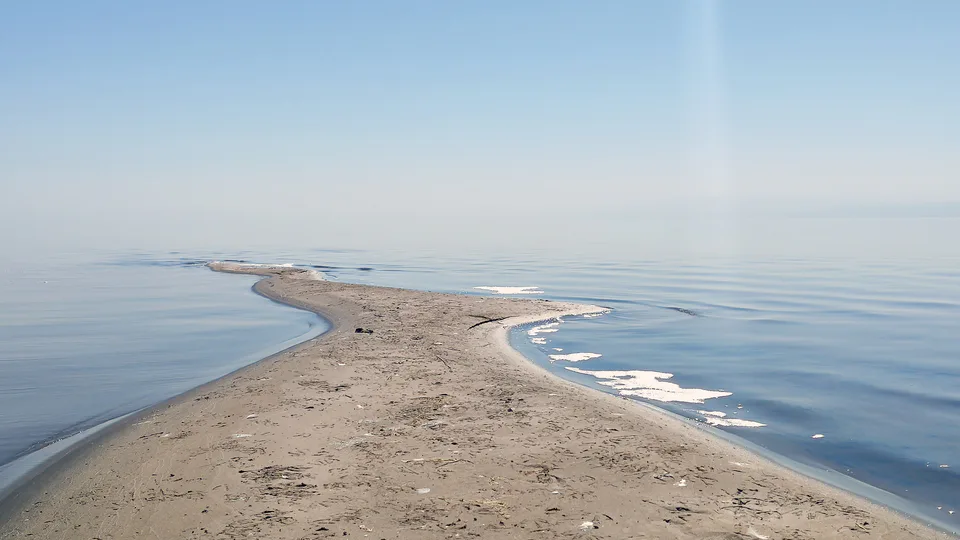
The system comprises Aydarkul, Tuzkan and the Eastern Arnasay lakes, about 4,000 km² in total. They lie in a salt-flat basin on the border of Jizzakh and Navoiy regions; from the Jizzakh side you reach them through the Forish and Arnasoy districts. In 2006 Aydarkul alone covered 3,478 km² and measured 160 km by about 35 km. Salinity is around 2 g per litre, and the lake does not freeze in winter.
Carp, zander, catfish, snakehead and other fish were introduced and now support local fisheries. In 2008 the system was listed as a Ramsar wetland of international importance, and in Forish District the Arnasay ornithological sanctuary protects its waterbirds.
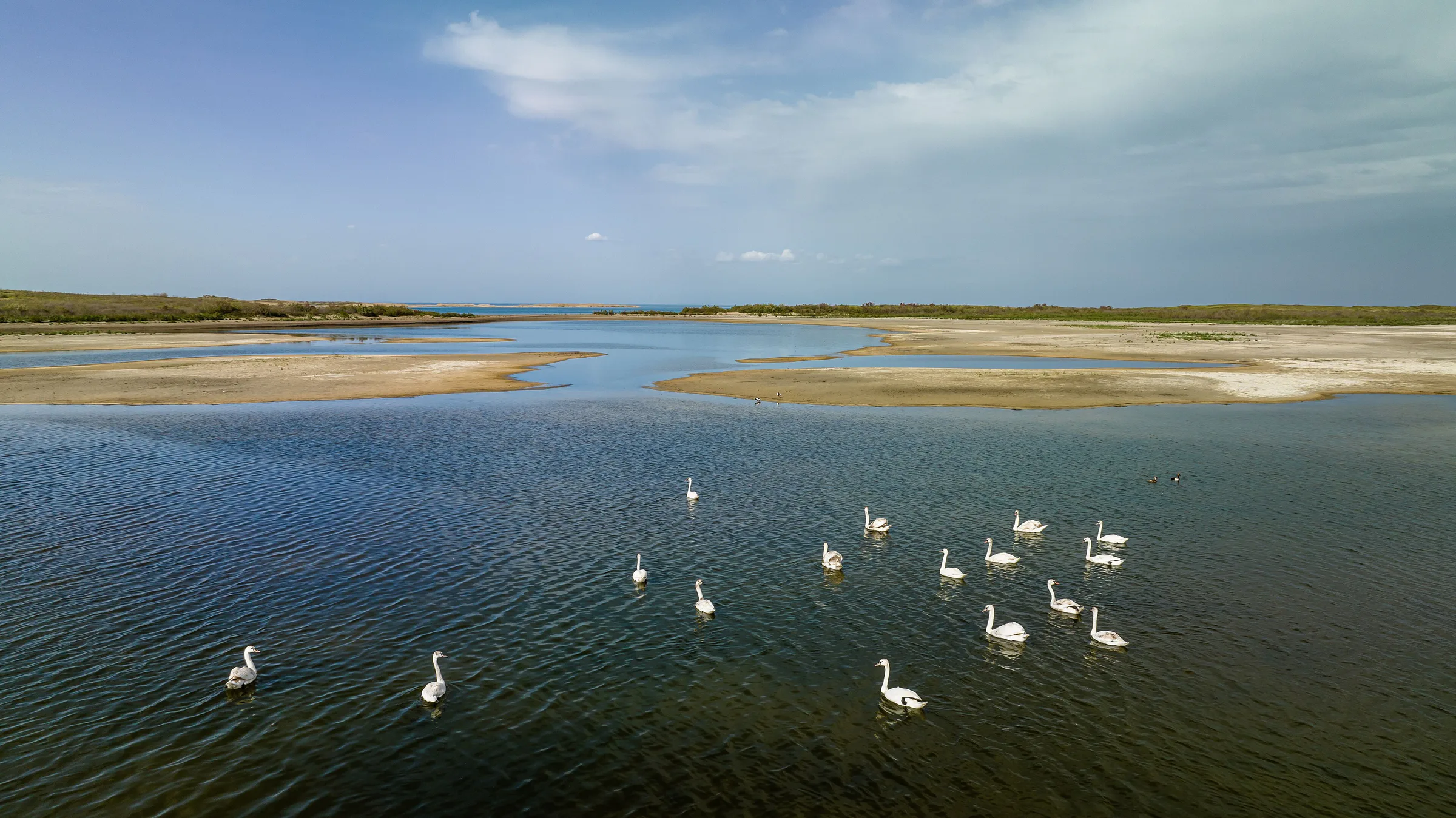
In 2005 Aydarkul held 44.3 km³ of water, and in 1994–2001 the system yielded 760 to 2,000 tonnes of fish a year. The shores are almost empty of people, with only a few hundred families living by the lake. As the Aral Sea dried up, many waterbirds moved here, and in spring and autumn large flocks of herons, cormorants, ducks and geese gather along the shore.
Spring and autumn are best, with plenty of migrating birds and mild weather. In summer the shores swarm with mosquitoes and temperatures can top 40°C. Plans for water and eco-tourism zones along the Aydar-Arnasay shores were announced in 2021; there are yurt camps and fishing bases, but facilities are still developing. A trip combines well with the mountain village of Ukhum in the Nuratau range.
Until the mid-20th century the Arnasay depression was a dry salt flat for most of the year. Today's 'sea in the desert' is an accidental creation of people and nature, just over half a century old.