Ensemble · Shahrisabz City
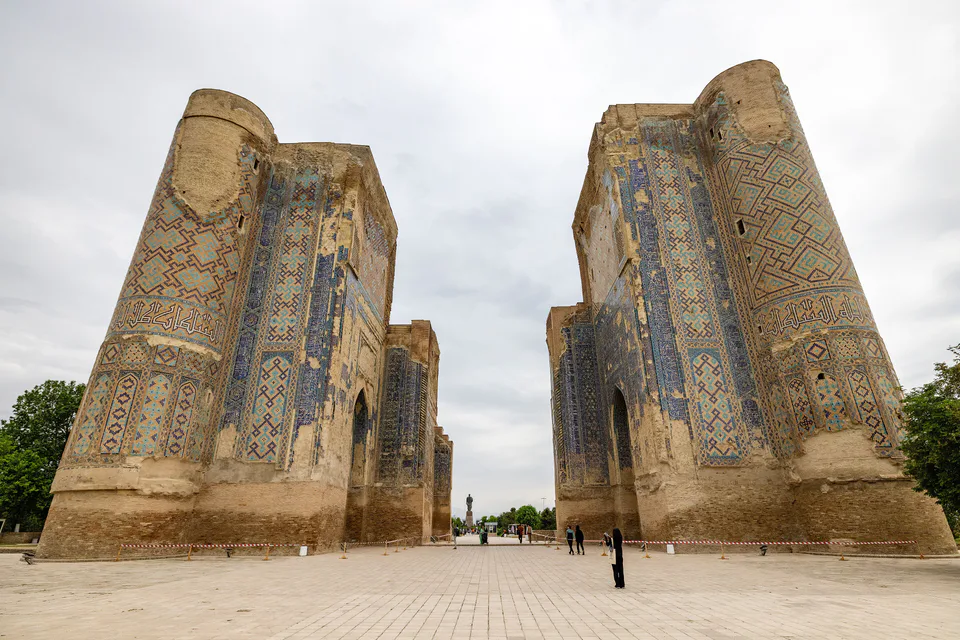
Ak-Saray Palace
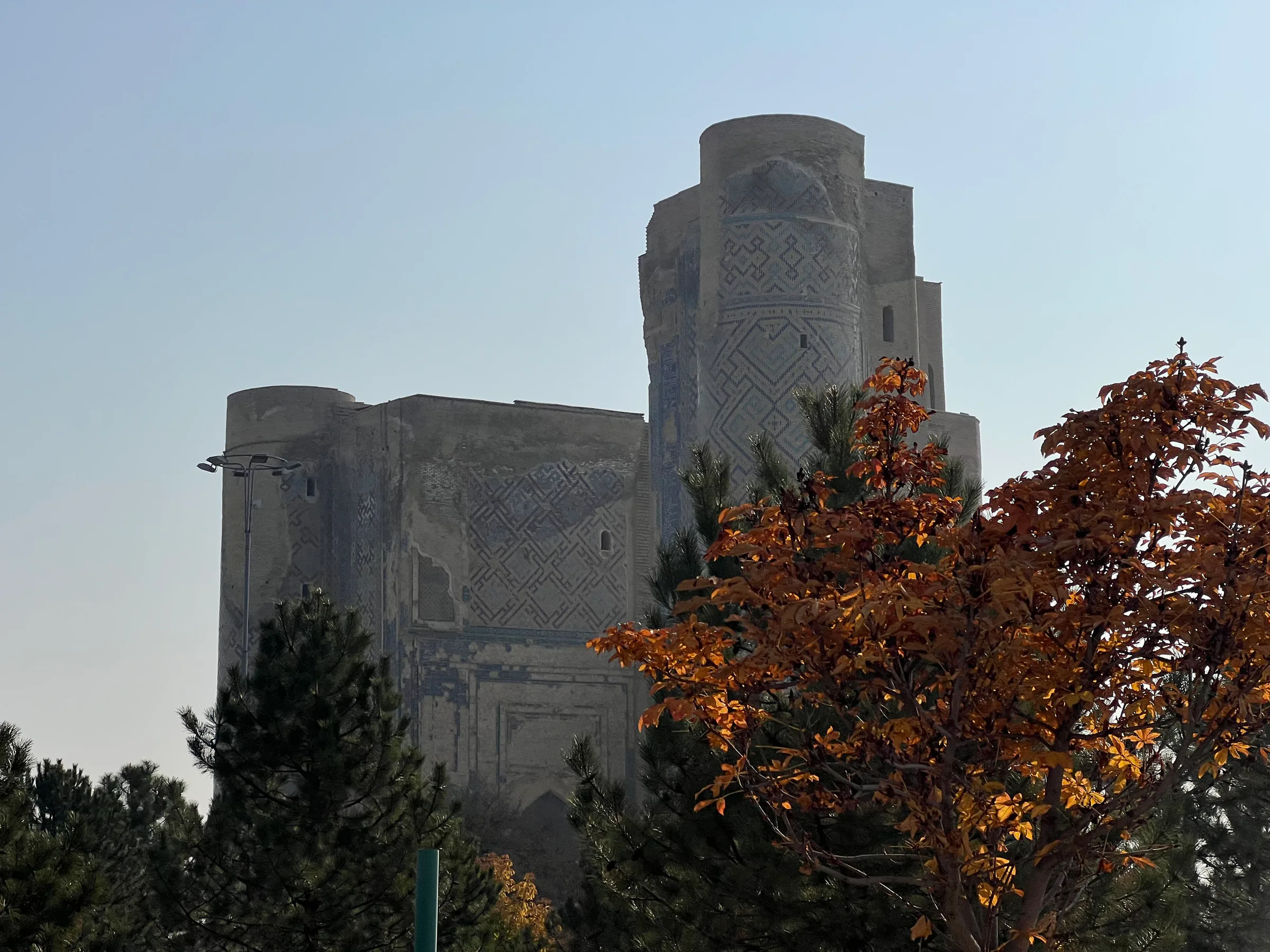
What remains of Timur’s colossal palace in his home town
Ensemble · Shahrisabz City
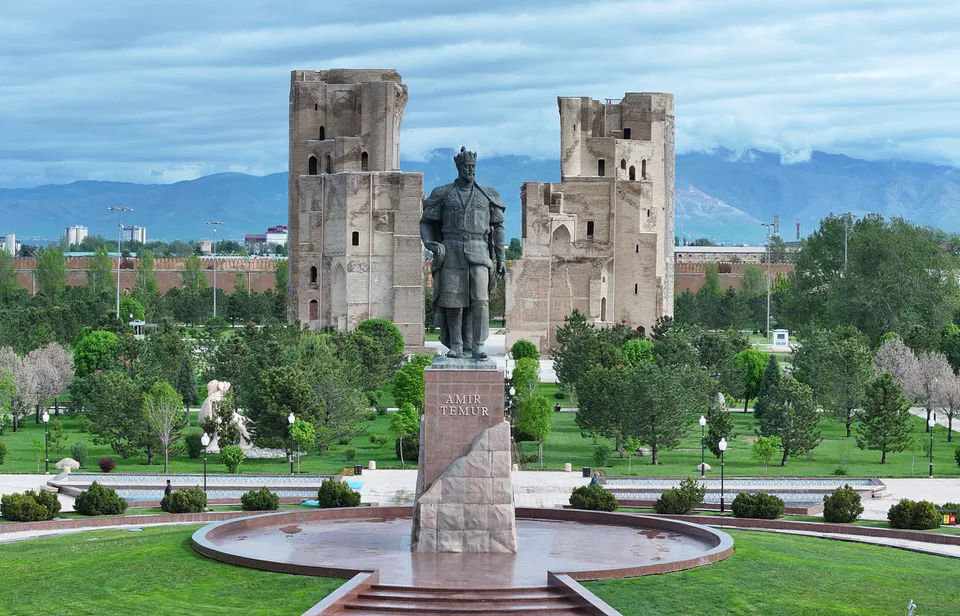
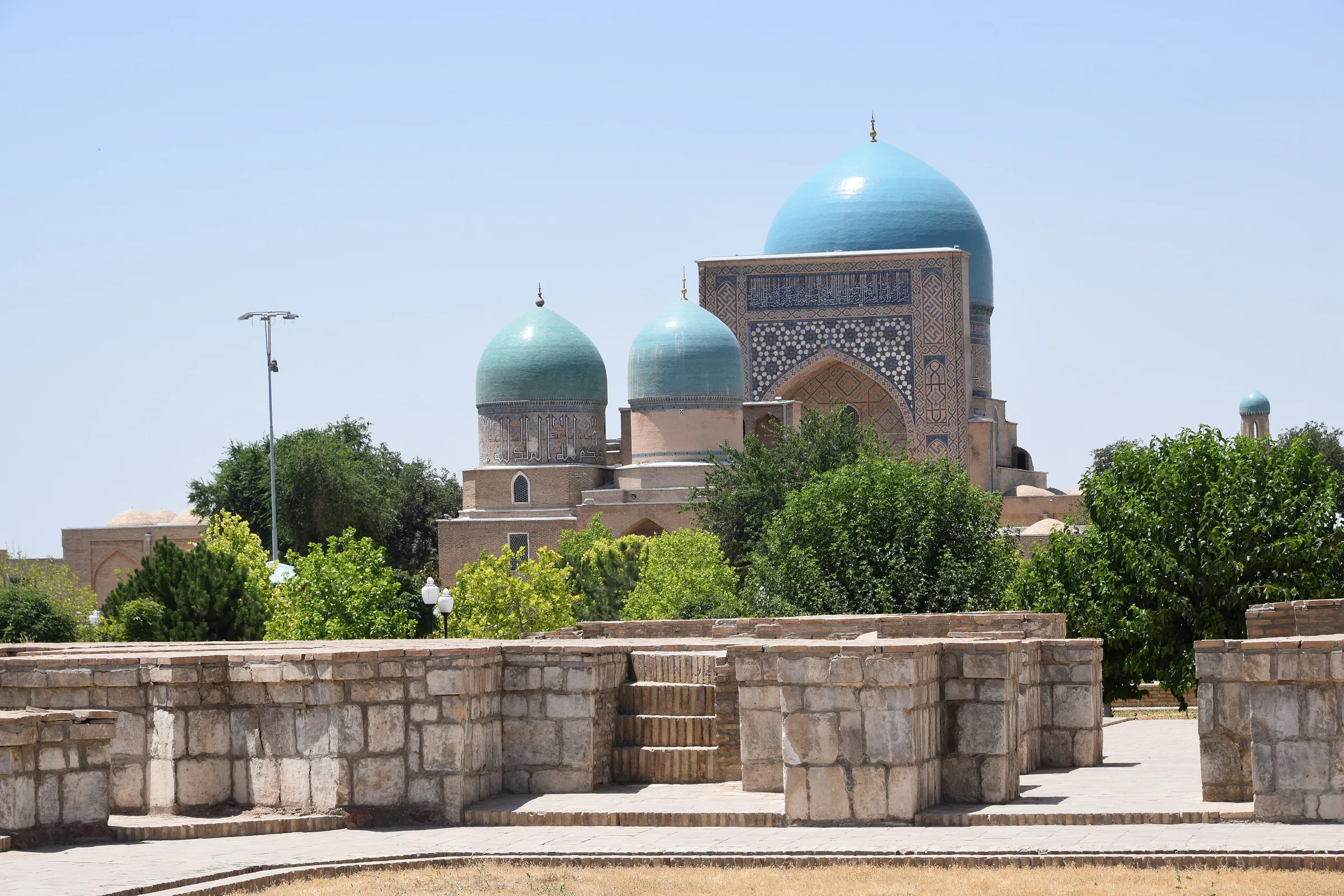
Ancient Kesh, birthplace of Amir Timur. The ruined Ak-Saray Palace and the Dorut Tilovat and Dorus-Saodat ensembles were inscribed on the UNESCO World Heritage List in 2000.
Shahrisabz lies south of Samarkand, on the far side of the Zarafshan Range, in the upper reaches of the Kashkadarya oasis. In antiquity it was Kesh, one of the key towns of Sogdiana, and in 2002 it celebrated its 2,700th anniversary on the strength of archaeological evidence. The name Shahrisabz, Persian for “green city”, dates from the Timurid era.
Above all, this is Timur’s home town. He was born in 1336 in the village of Khoja Ilgar near Kesh, into the family of Taraghai, a chief of the Barlas clan. Timur regarded Kesh as his own city and endowed it with a palace, a family mausoleum and mosques. Samarkand became the imperial capital, yet Shahrisabz remained the dynasty’s spiritual cradle.
The Historic Centre of Shakhrisyabz was inscribed on the World Heritage List in 2000 for its outstanding Timurid monuments of the 14th–15th centuries and its medieval urban fabric. In 2016 it was moved to the List of World Heritage in Danger after large-scale demolition and new construction inside the historic area.
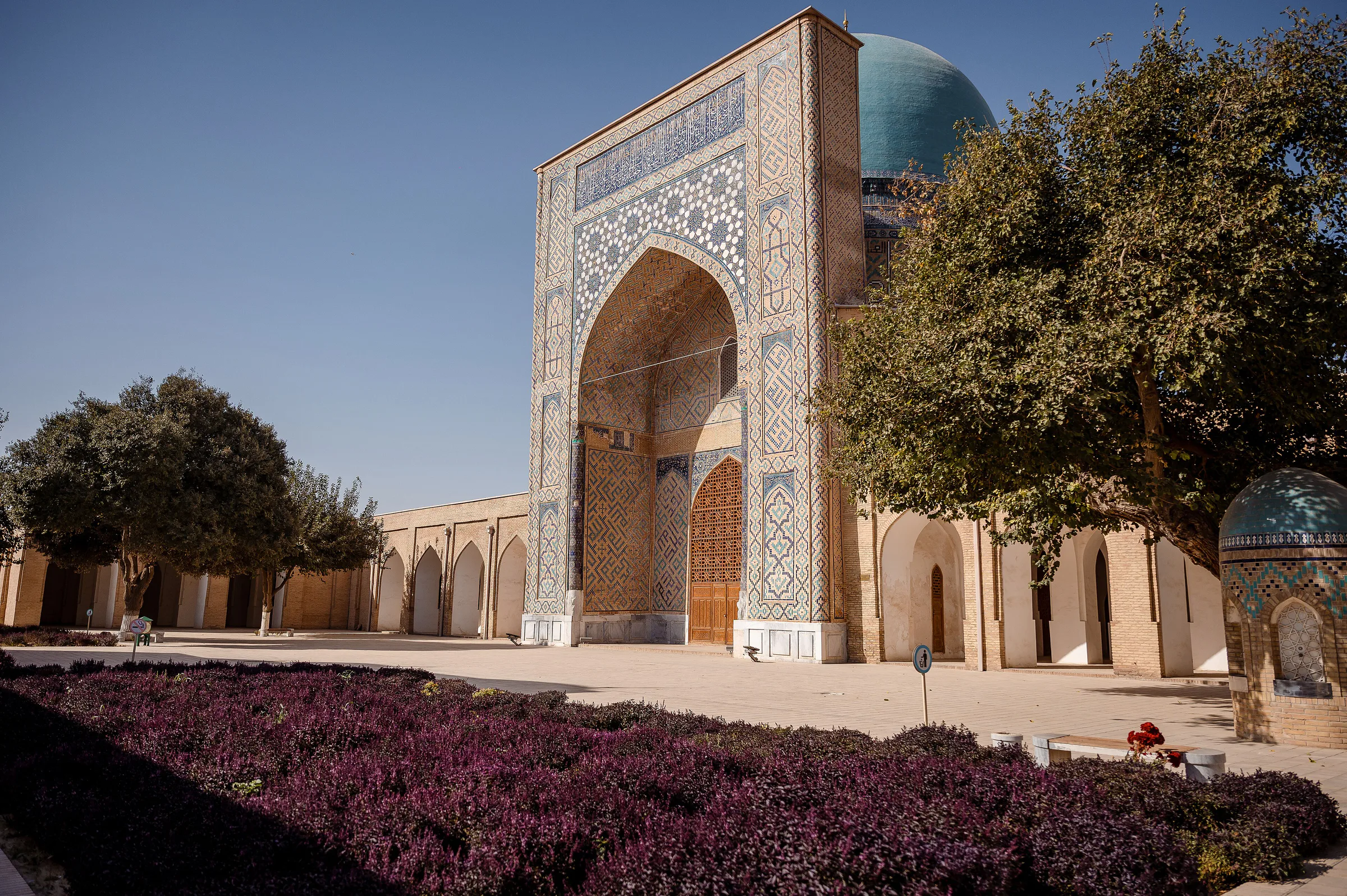
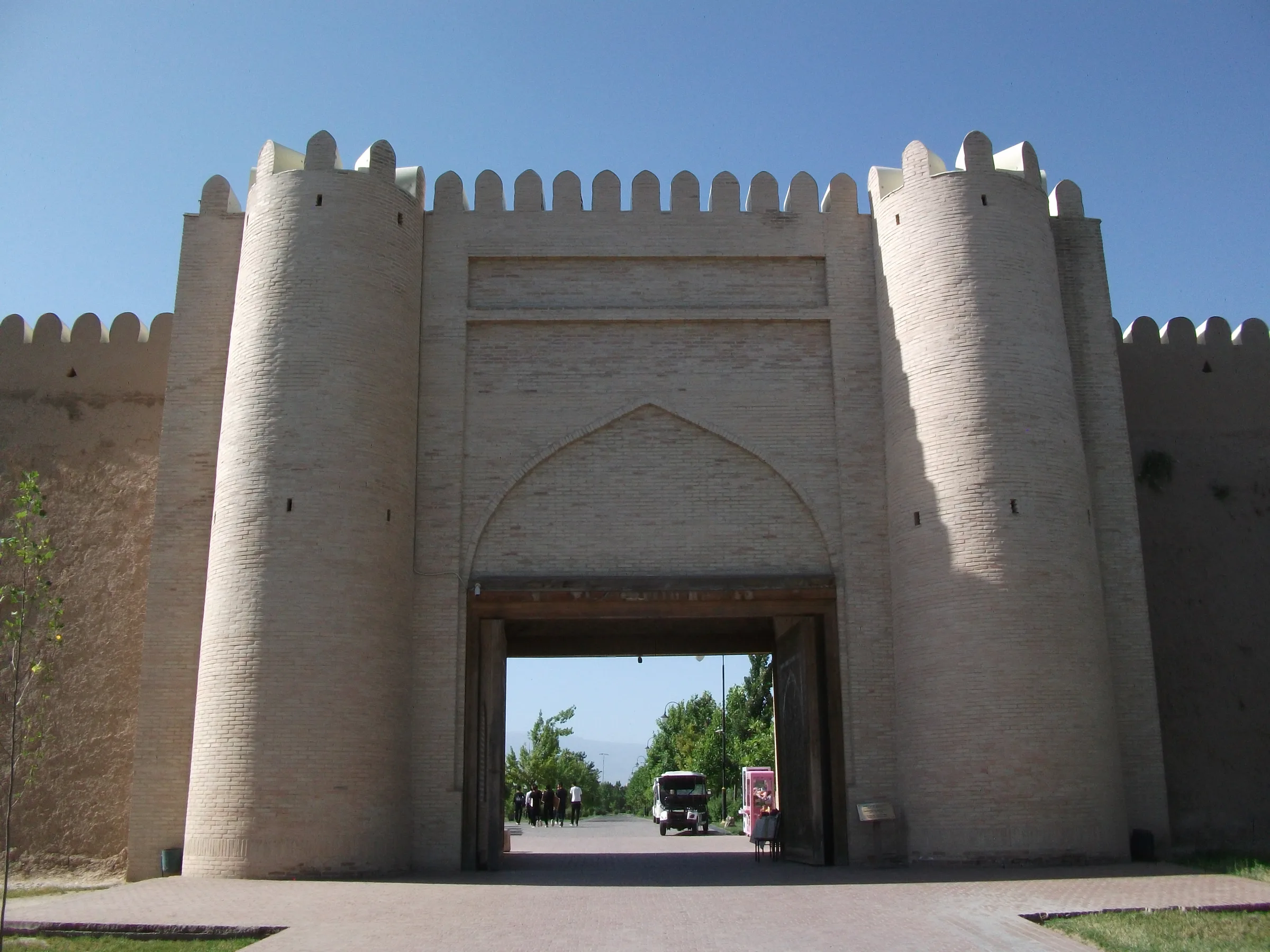
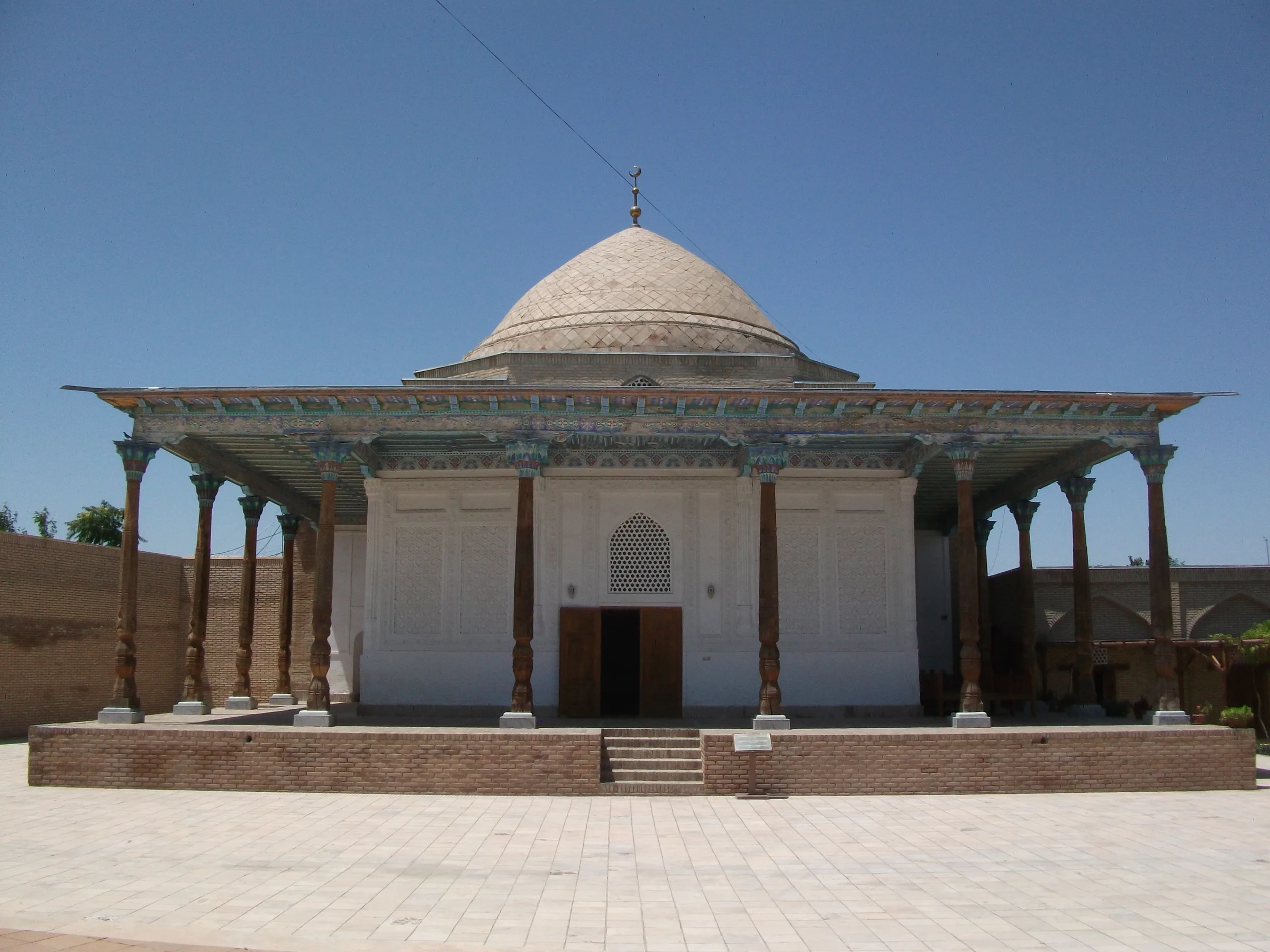
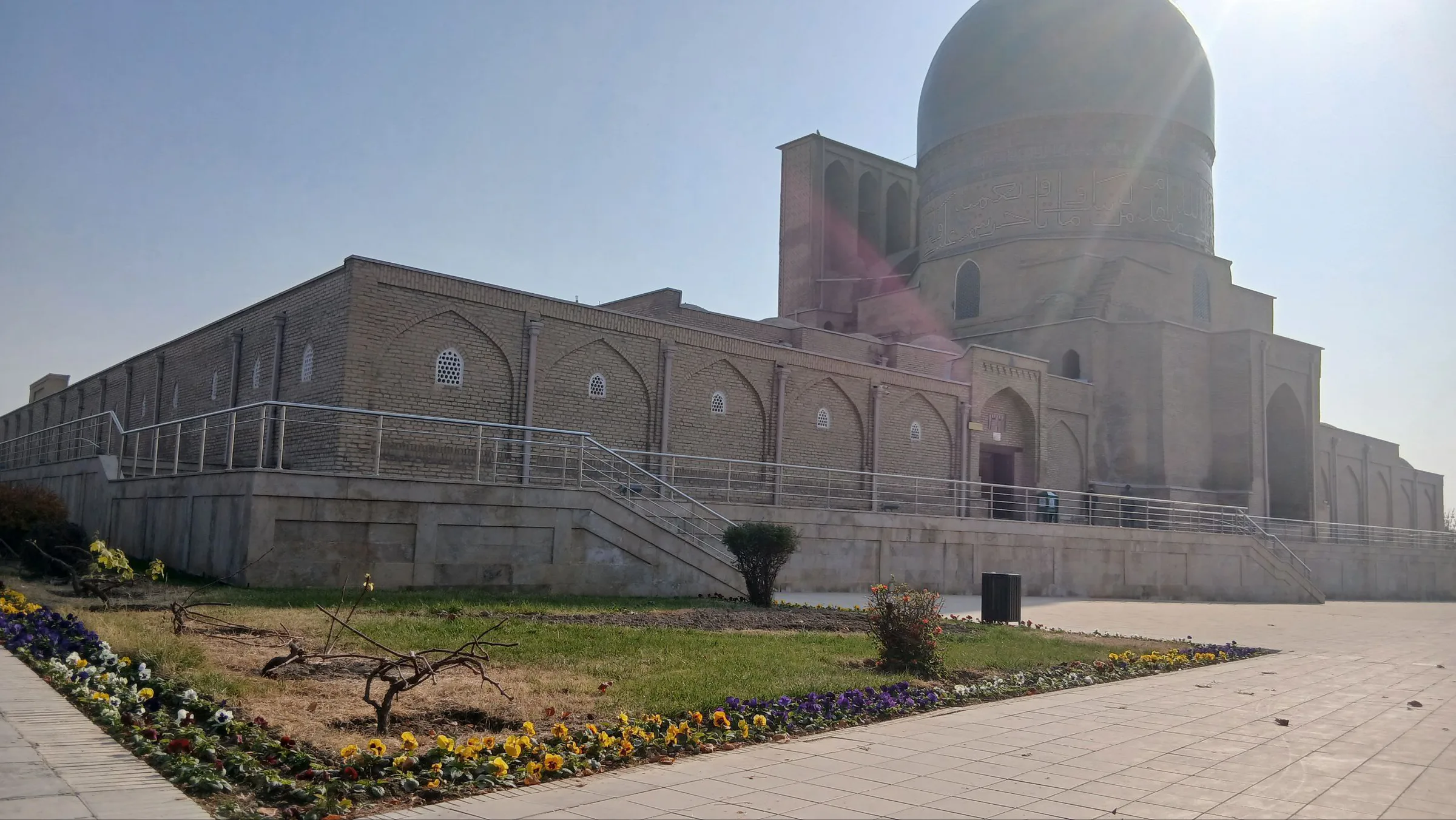
The old core runs north to south. At its northern end rise the pylons of Ak-Saray, all that survives of Timur’s colossal palace, with a statue of Timur in the park in front. Walking south you pass smaller monuments: the 16th-century Chorsu trading dome, a medieval bathhouse, the Koba caravanserai and the Malik Ajdar Mosque. In the south-east stands Dorus-Saodat (the tomb of Timur’s son Jahangir, the Hazrati Imam Mosque and Timur’s underground crypt); in the south-west, Dorut Tilovat (the Kok Gumbaz Mosque and the mausoleums of Shamsuddin Kulol and Gumbazi Sayyidon).
Two stages of Timurid building are on show here. Works from Timur’s own reign, Ak-Saray and Dorus-Saodat, impress with sheer scale and geometric patterns in glazed brick and tile mosaic. Buildings from Ulugh Beg’s time in the 1430s, the Kok Gumbaz Mosque and Gumbazi Sayyidon, are more compact, better proportioned and more refined. Many techniques tried out in Shahrisabz were later developed in Samarkand and Bukhara.
The Economic Cooperation Organization named Shahrisabz its tourism capital for 2024. The historic centre is easy to explore on foot: it is roughly a kilometre and a half from Ak-Saray to Dorut Tilovat. The drive from Samarkand over the Takhtakaracha Pass takes about two hours, so most visitors come on a day trip, but an overnight stay lets you add the old mahallas and the countryside around Kitob.
Ensemble · Shahrisabz City
What remains of Timur’s colossal palace in his home town
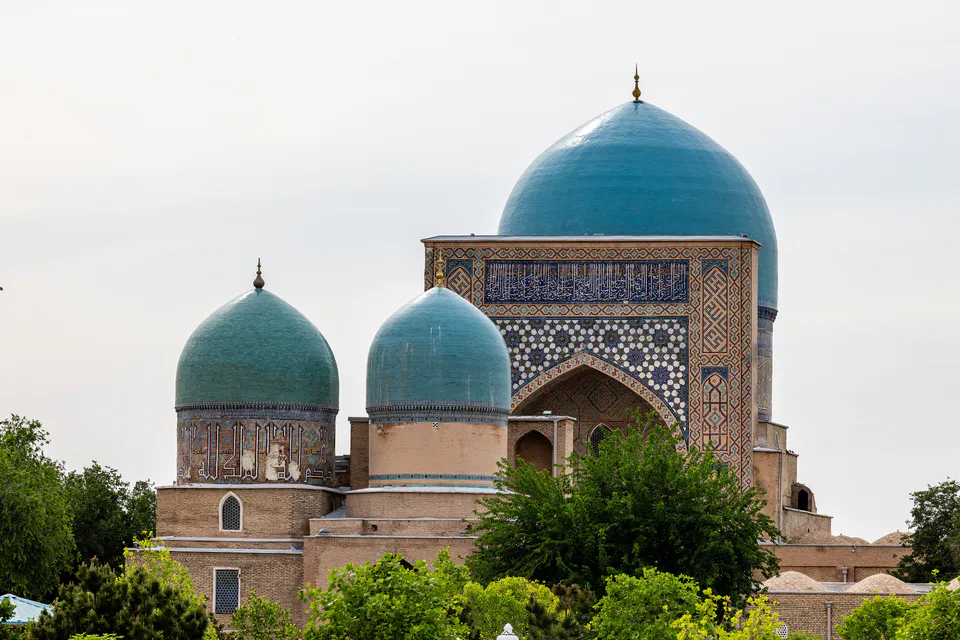
Ensemble · Shahrisabz City
A Timurid family shrine and Ulugh Beg’s Blue Dome
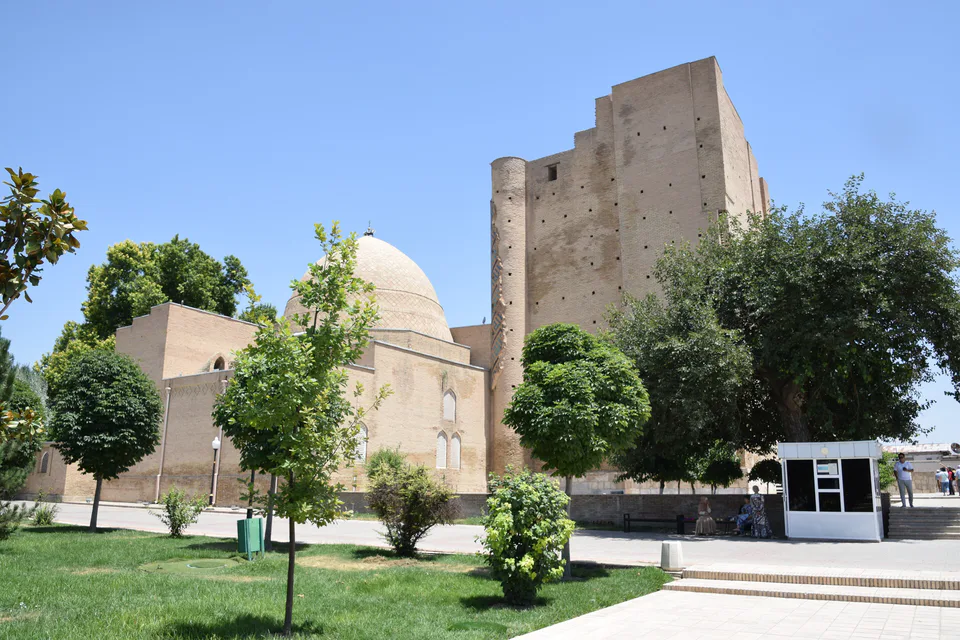
Ensemble · Shahrisabz City
The family mausoleum Timur built for himself and his sons
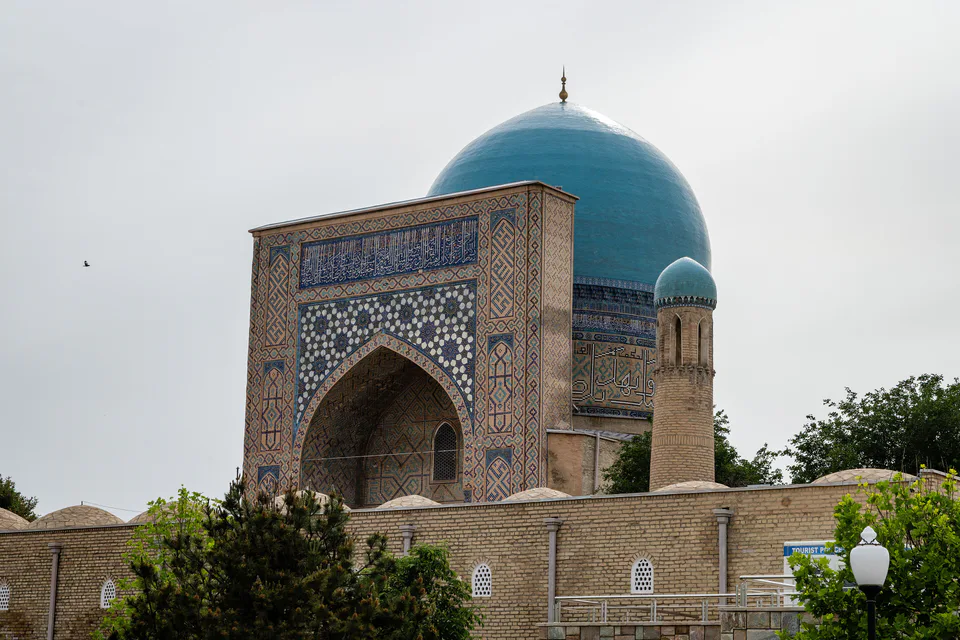
Mosque · Shahrisabz City
The Friday mosque Ulugh Beg built in his father’s name
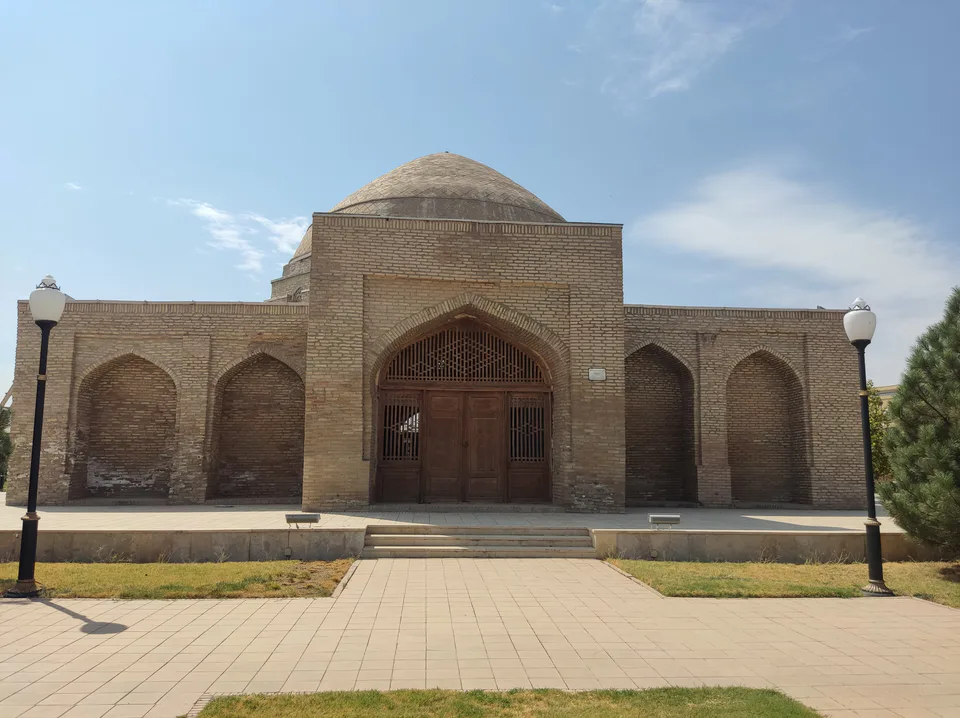
Bazaar · Shahrisabz City
A domed market where four streets meet
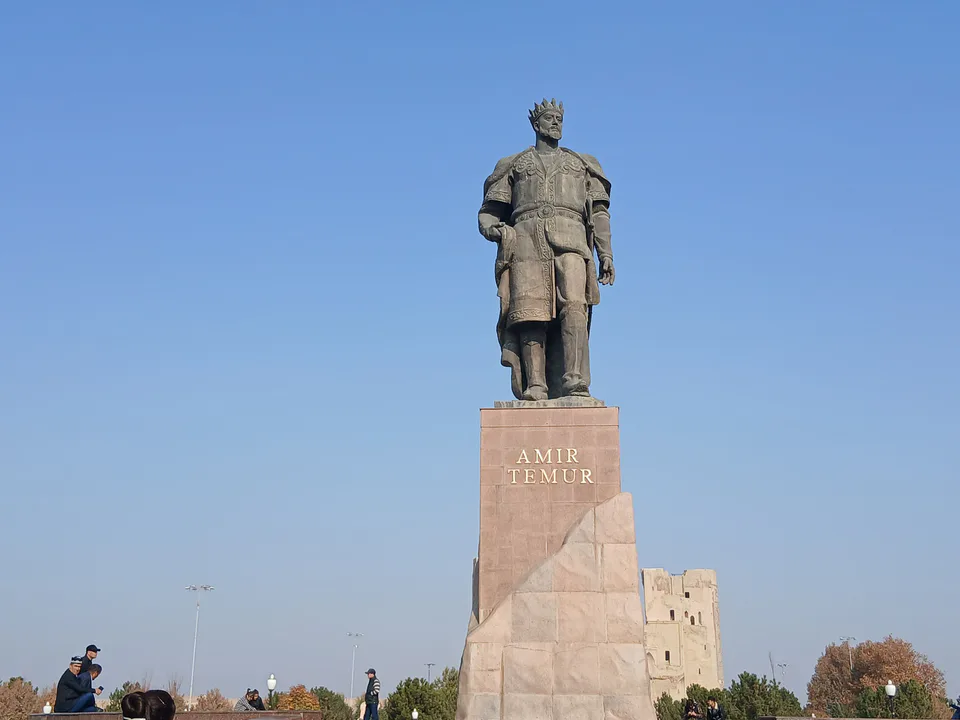
Modern · Shahrisabz City
Timur stands tall in his home town
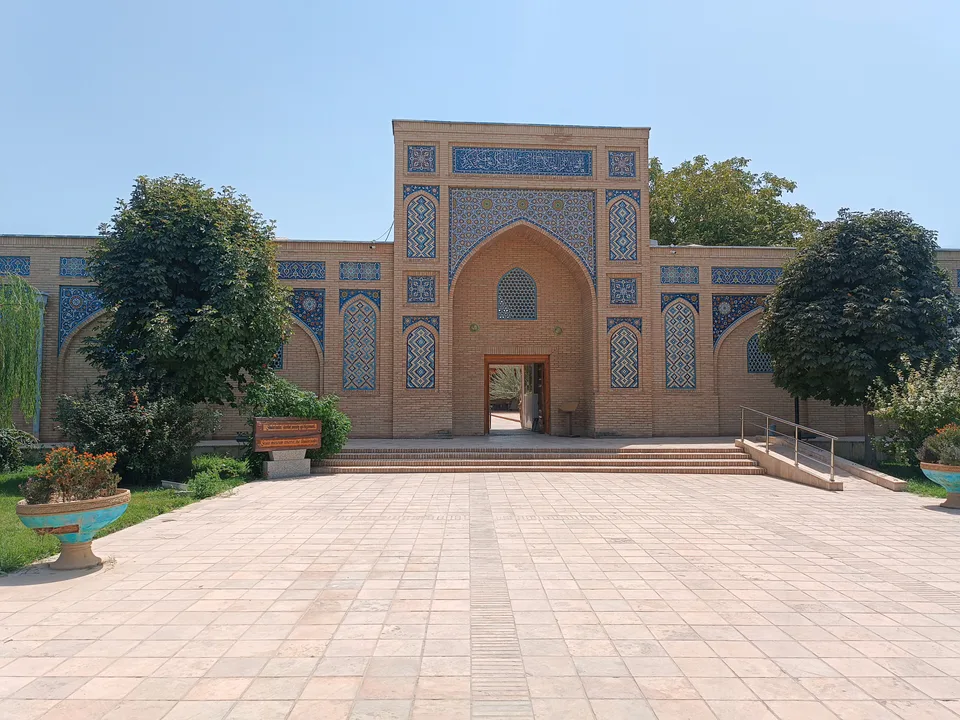
Madrasa · Shahrisabz City
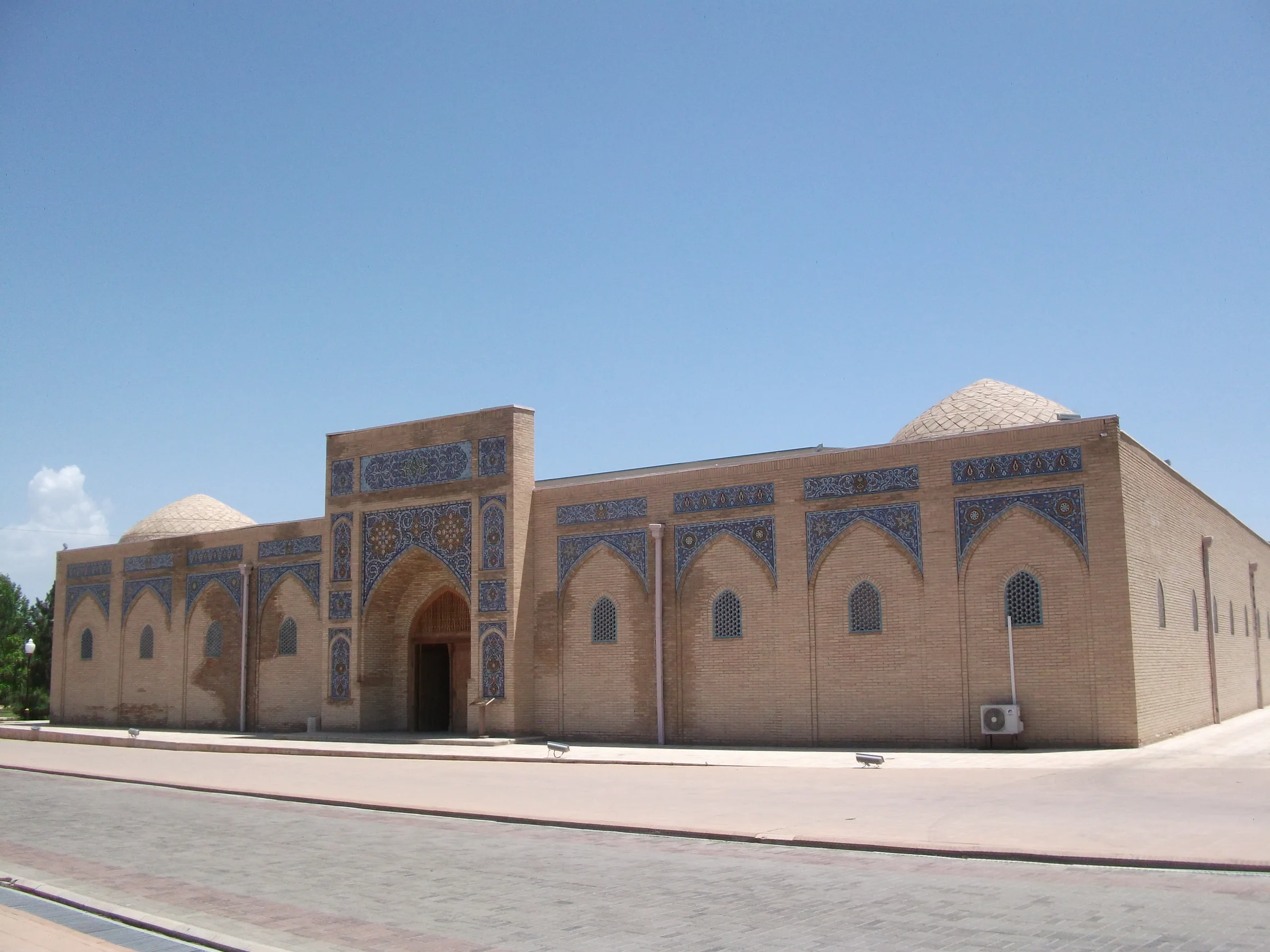
The town museum in a madrasa by the old timber market
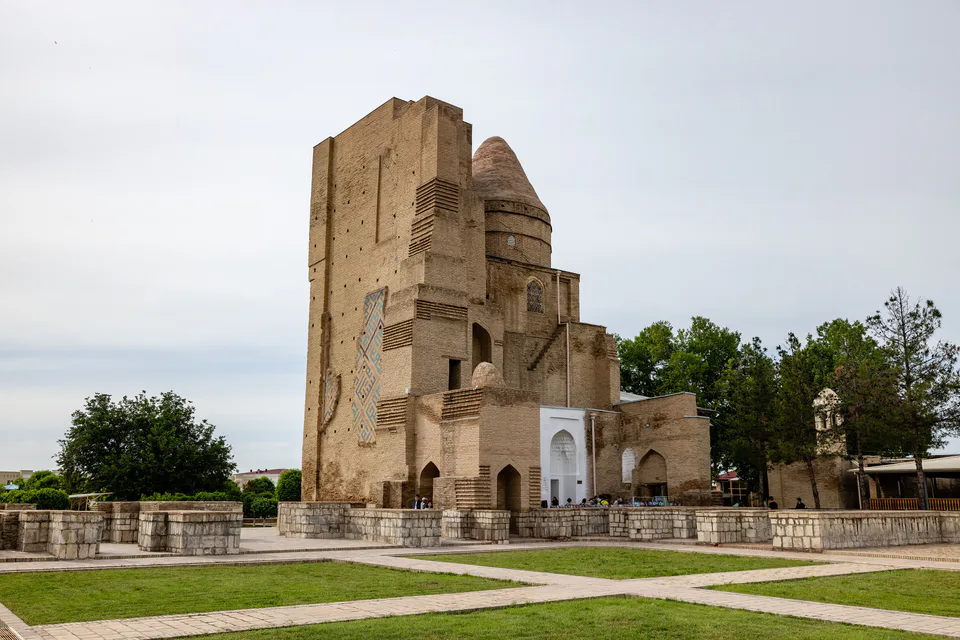
Mausoleum · Shahrisabz City
A cone-domed tomb for Timur’s favourite son
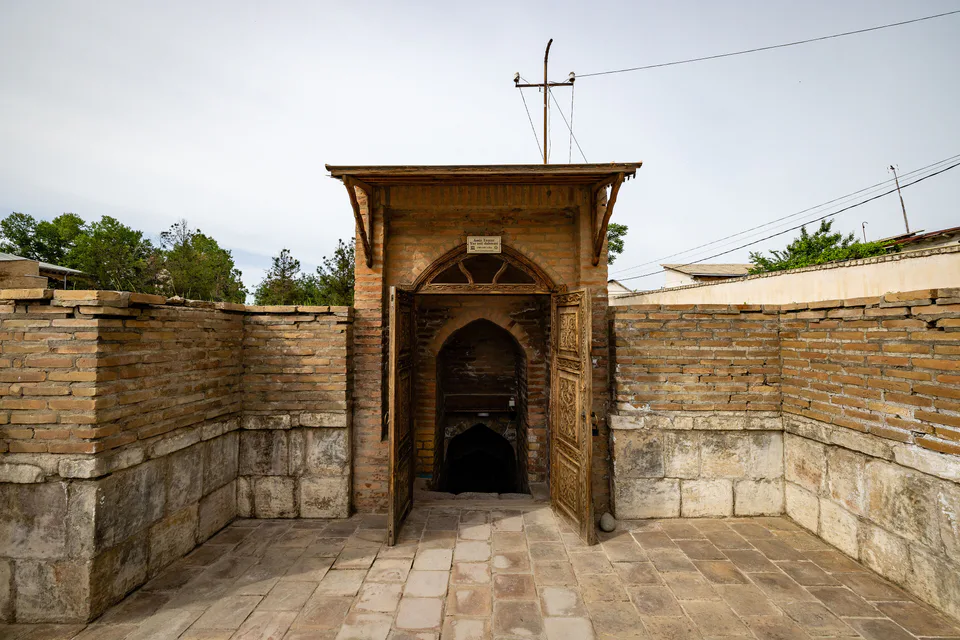
Mausoleum · Shahrisabz City
The tomb Timur prepared for himself, which stayed empty
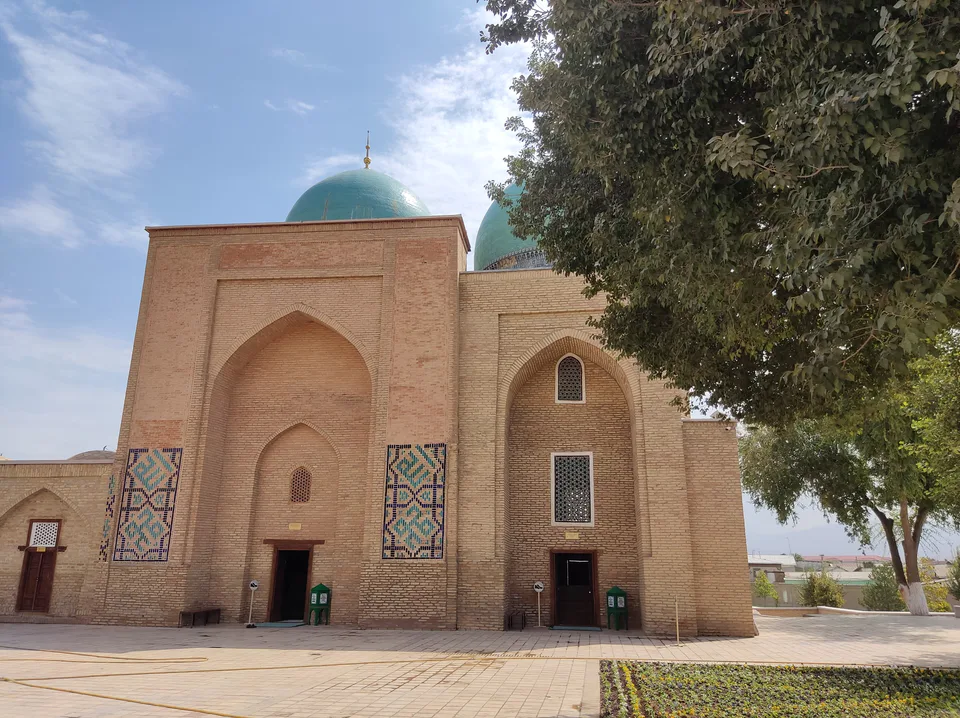
Mausoleum · Shahrisabz City
Resting place of Timur’s spiritual guide and his father