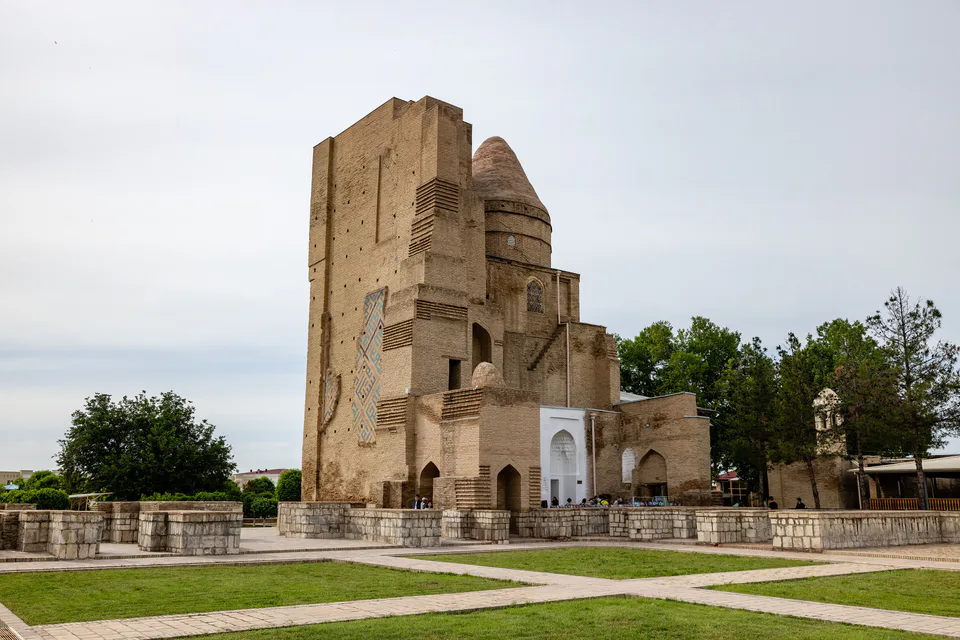
Mausoleum · Shahrisabz City
Jahangir Mausoleum
A cone-domed tomb for Timur’s favourite son
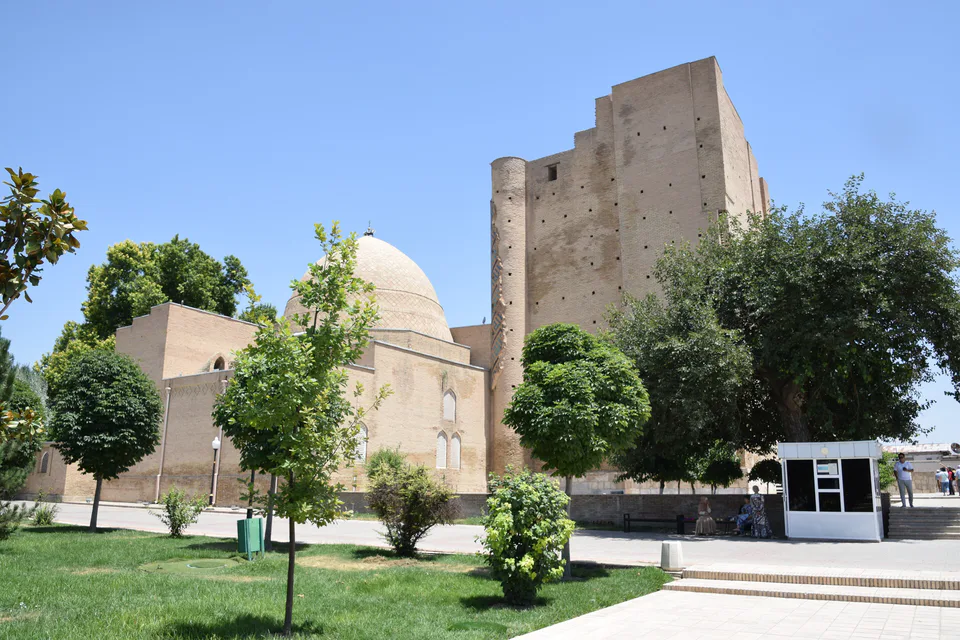
Ensemble · Shahrisabz City
The surviving part of Timur’s vast dynastic memorial: the tomb of his son Jahangir, the Hazrati Imam Mosque and the underground crypt prepared for Timur himself.
Dorus-Saodat (also Dor us-Siyodat, “Seat of the Sayyids”) lies in the south-east of the historic centre. According to Sharaf ad-Din Ali Yazdi’s Zafarnama, Timur ordered a special building in Kesh in which his son Jahangir and other princes were to be buried. Jahangir, Timur’s eldest and favourite son, died in 1376 at the age of twenty; construction began soon afterwards and was still going on in the 1390s.
In its day this was one of the largest buildings in Shahrisabz, with a plan often compared to the Mausoleum of Khoja Ahmed Yasawi in Turkistan. It contained tombs, a mosque, a khanqah and service rooms. Like Ak-Saray, it suffered badly in the wars of the 16th century, and most of it was destroyed.
Jahangir had been groomed as heir but died long before his father. His sons Muhammad Sultan and Pir Muhammad later played important roles in Timur’s empire: Timur named his grandson Muhammad Sultan as heir and, after his death, appointed Pir Muhammad as successor.
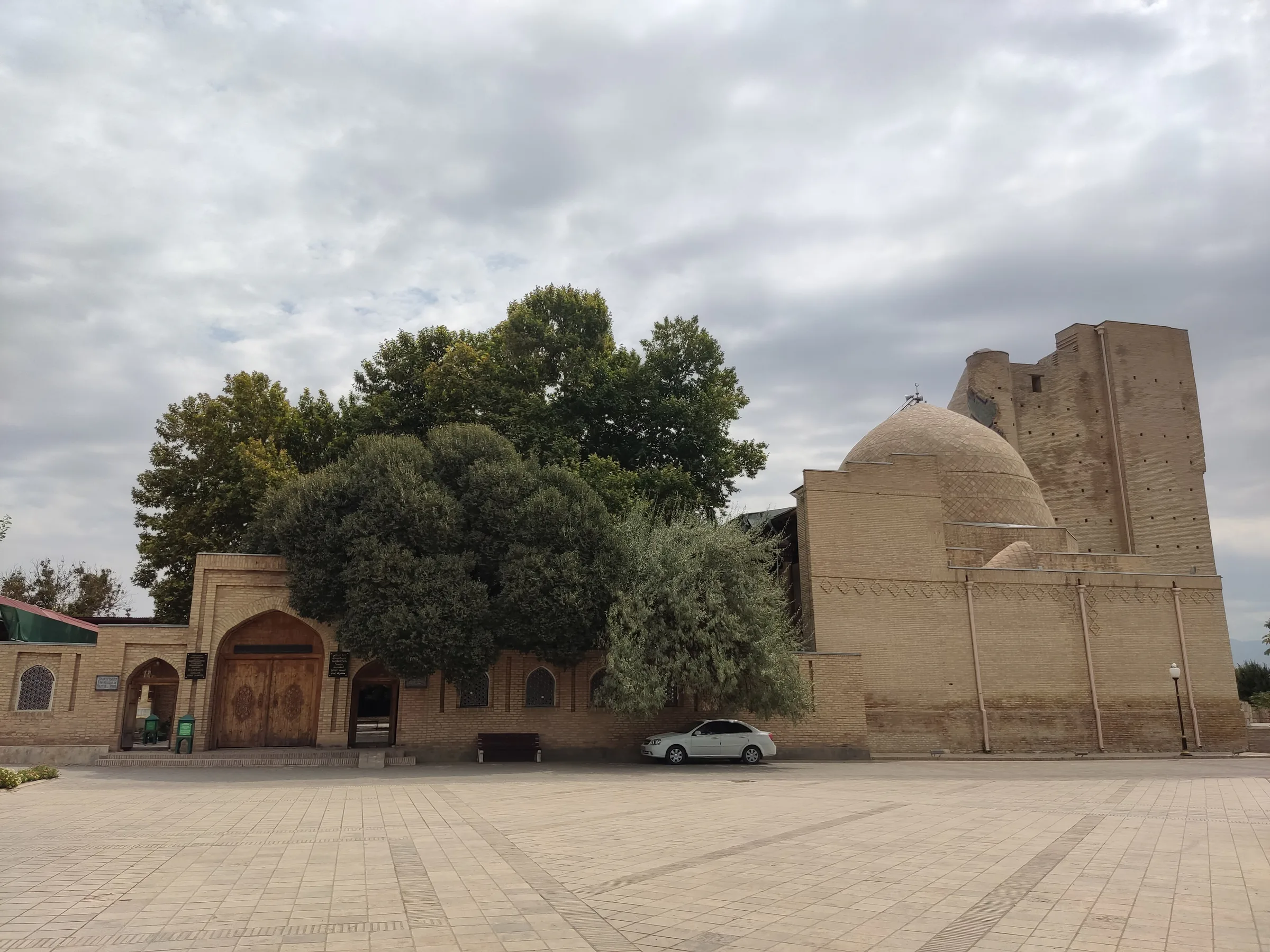
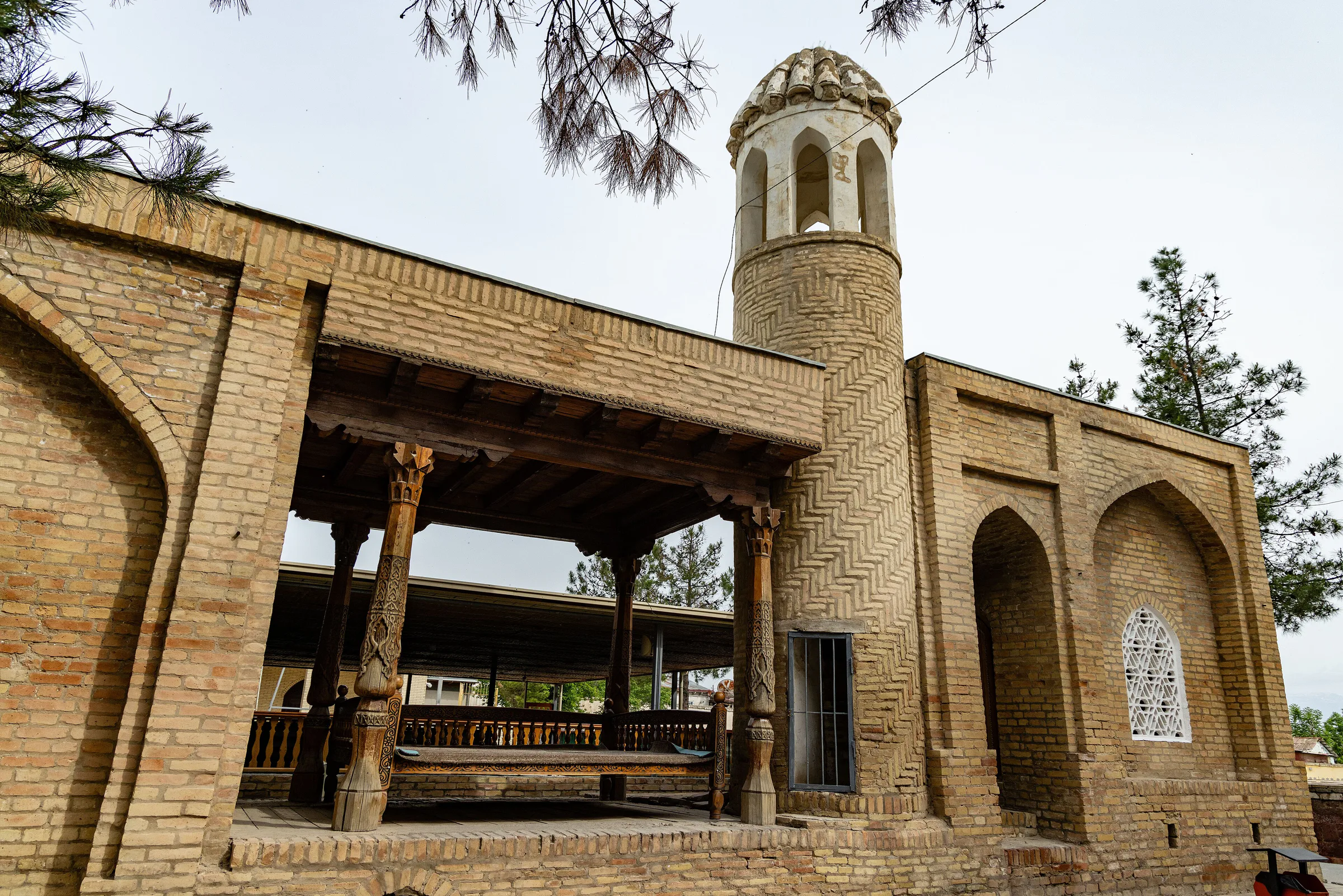
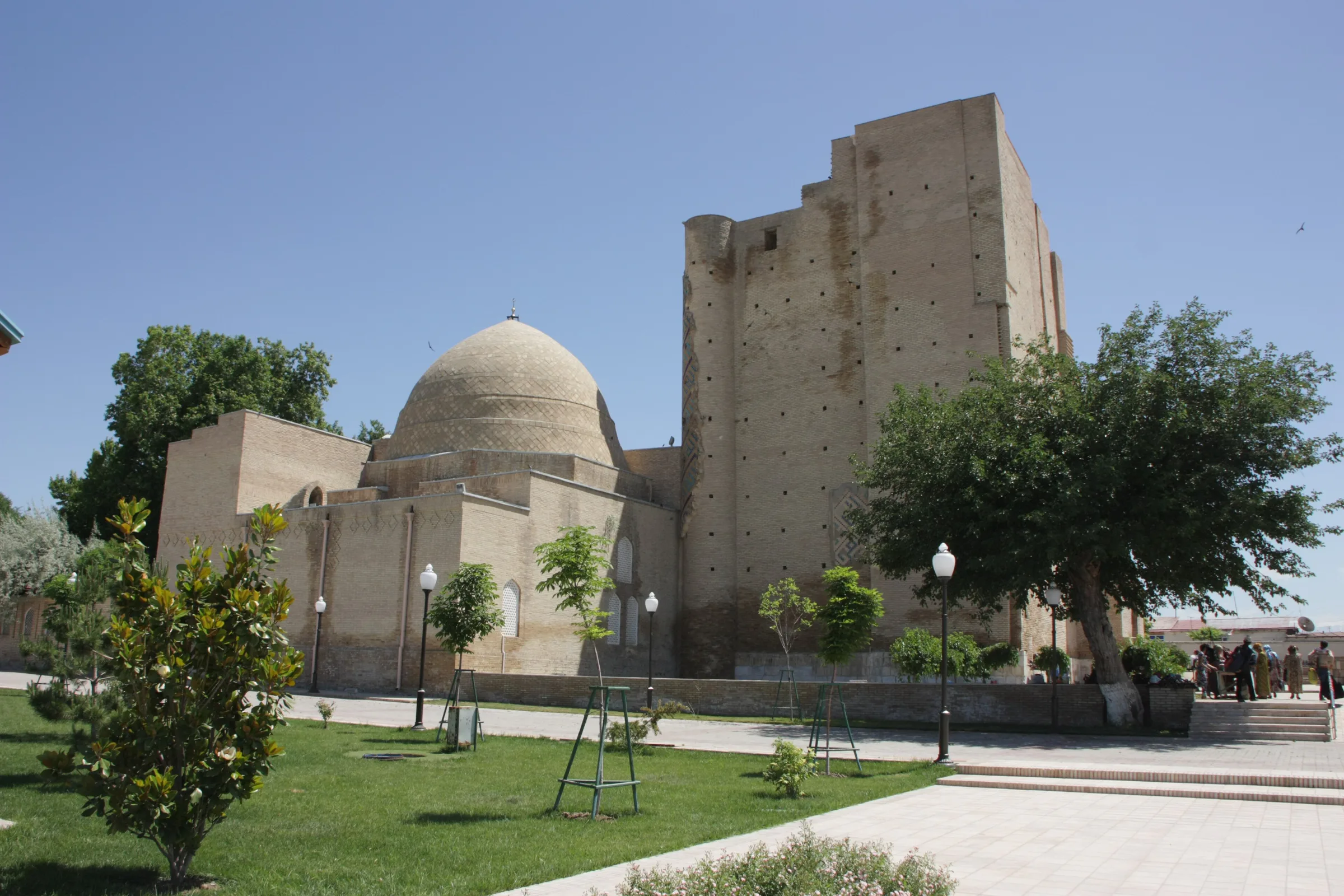
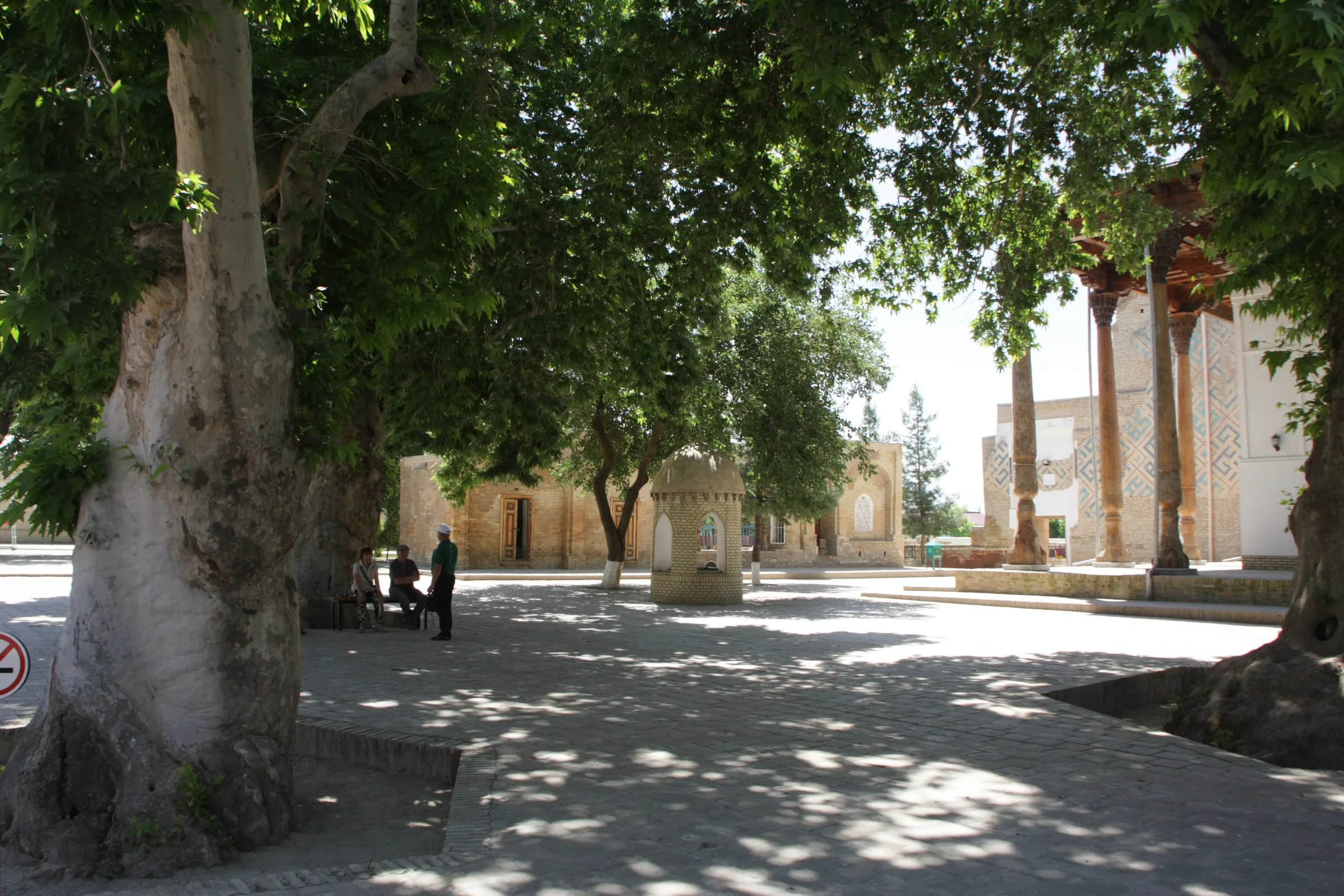
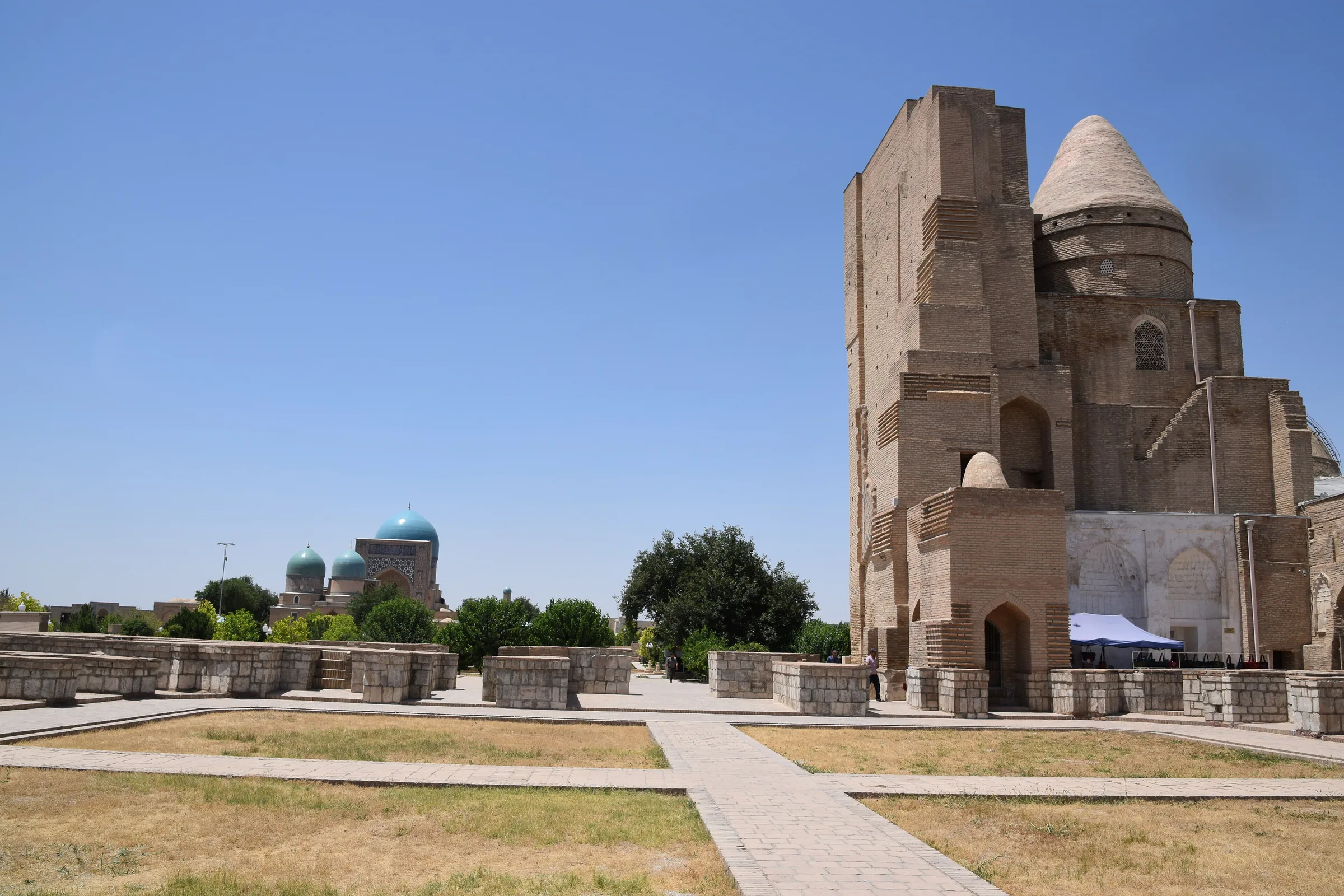
Three main elements remain. The most striking is the Jahangir Mausoleum, with a conical dome on a tall faceted drum. The neighbouring Hazrati Imam Mosque was rebuilt in later centuries and is still in use; old plane trees in its courtyard give welcome summer shade.
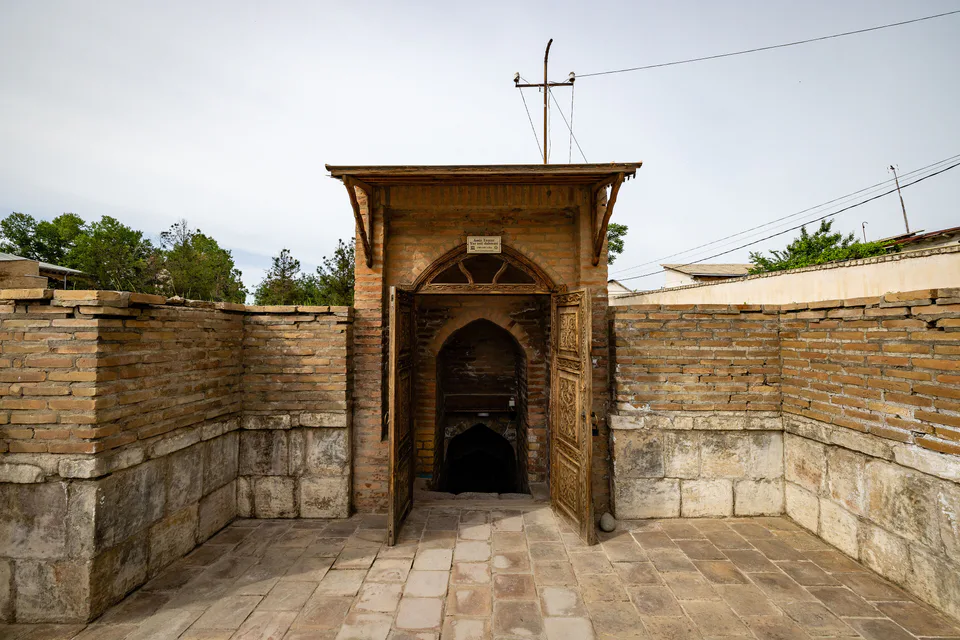
Behind the mosque, underground, is the crypt Timur had prepared for himself. A narrow staircase leads down to a small chamber almost filled by a single marble sarcophagus, with Quranic verses in thuluth script on the walls and arches. Timur was never laid here: he died at Otrar in February 1405 and was buried in the Gur-e Amir in Samarkand, traditionally because winter snows had closed the road to Shahrisabz.
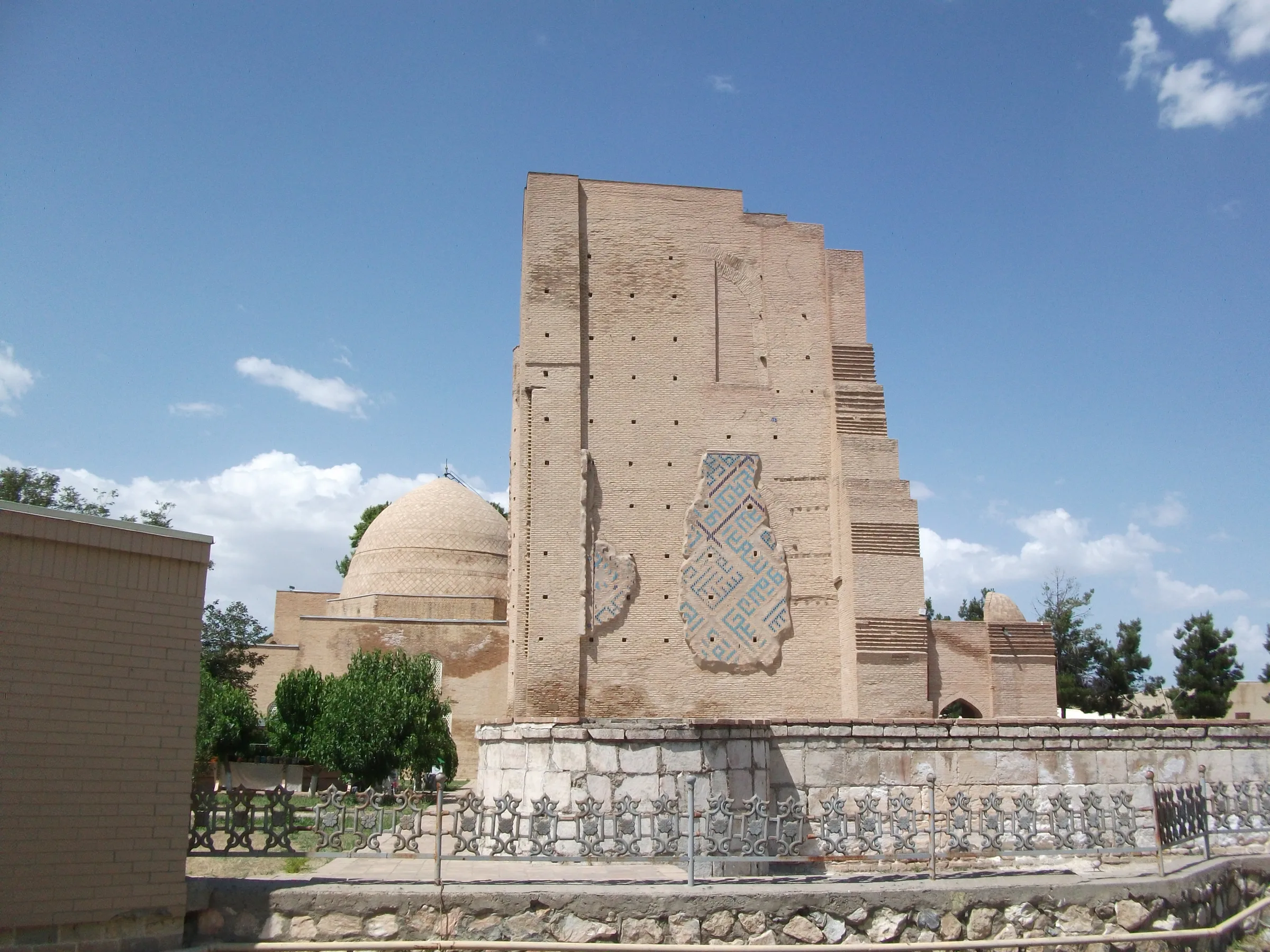
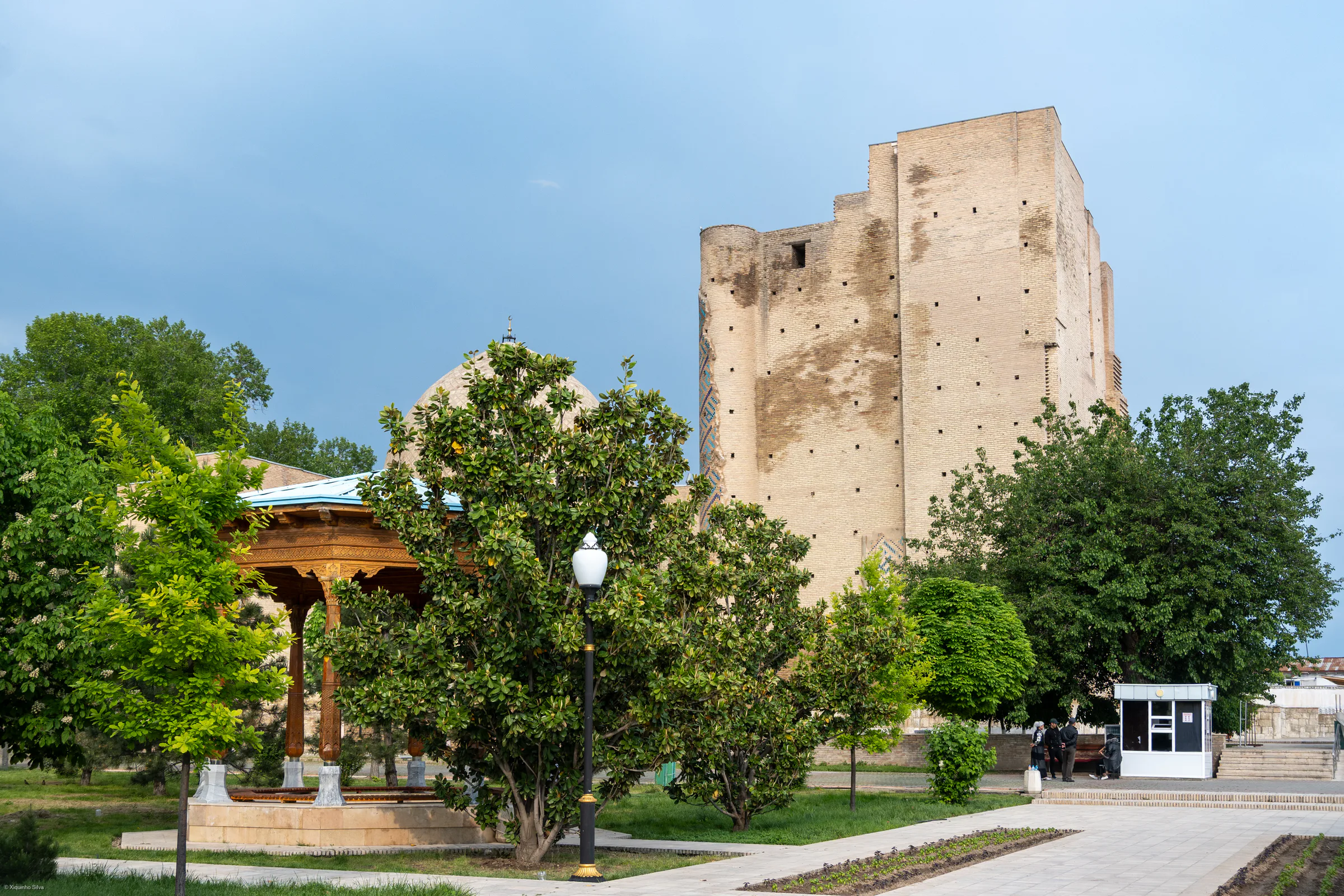
Excavations in the 1970s and 1980s uncovered the remains of a huge arch next to the Jahangir Mausoleum. Researchers estimate its span was only 1.7 m smaller than Ak-Saray’s, a clear sign of how grand Dorus-Saodat once was.
The Jahangir Mausoleum is a typical piece of 14th-century Mawarannahr architecture, with fired-brick walls and a portal and drum decorated in glazed brick and tile. Inside, the pendentives beneath the dome and inscriptions survive. Its conical outer dome is a rare form in Central Asia that scholars link to Khorezmian tradition.
The crypt is a different world: plain limestone walls, a vaulted ceiling and a monolithic marble sarcophagus give it a severe, sober atmosphere.
When the crypt was examined in the 20th century, remains of unidentified people are said to have been found in the sarcophagus; who they were is still unknown.
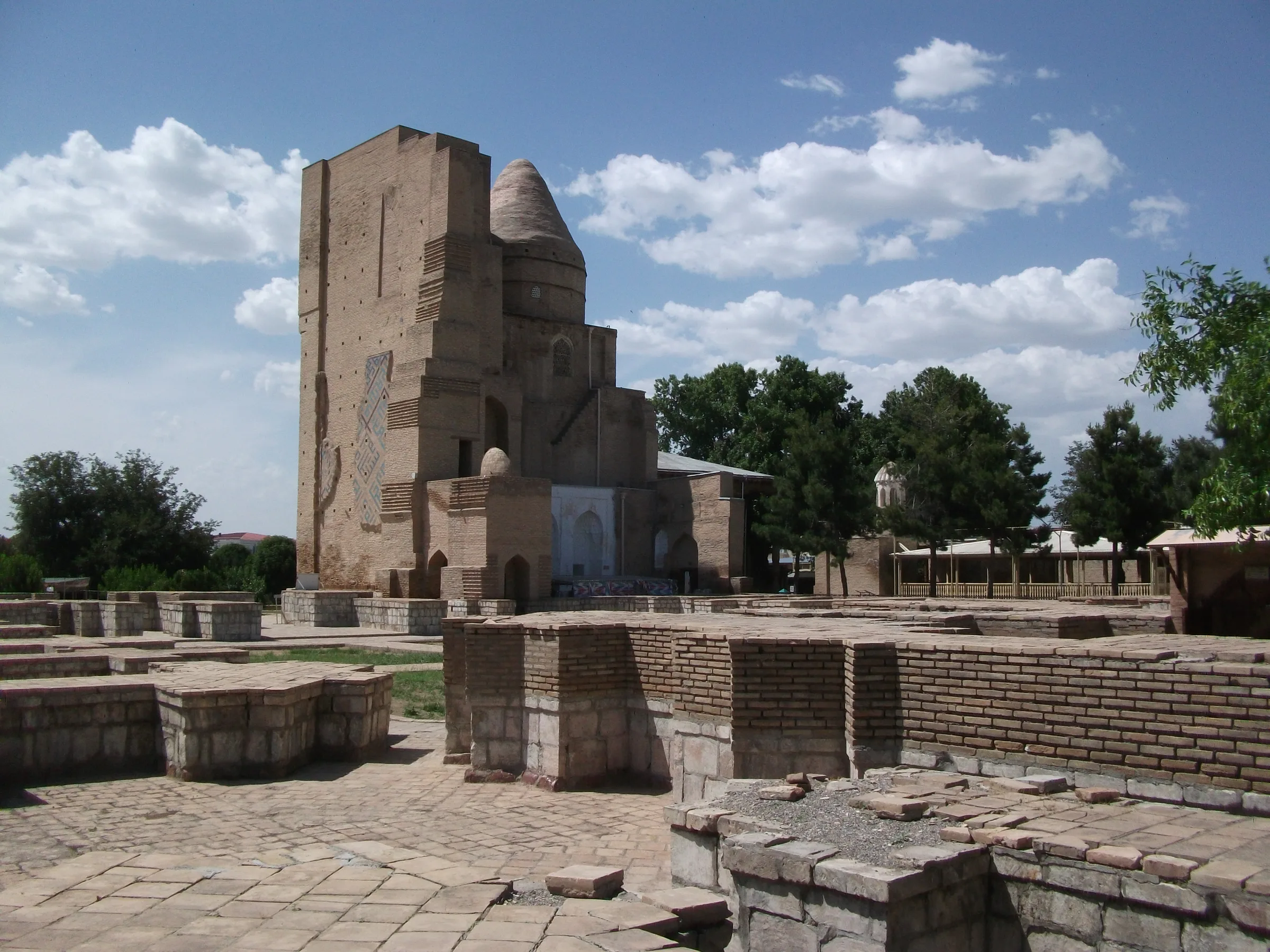
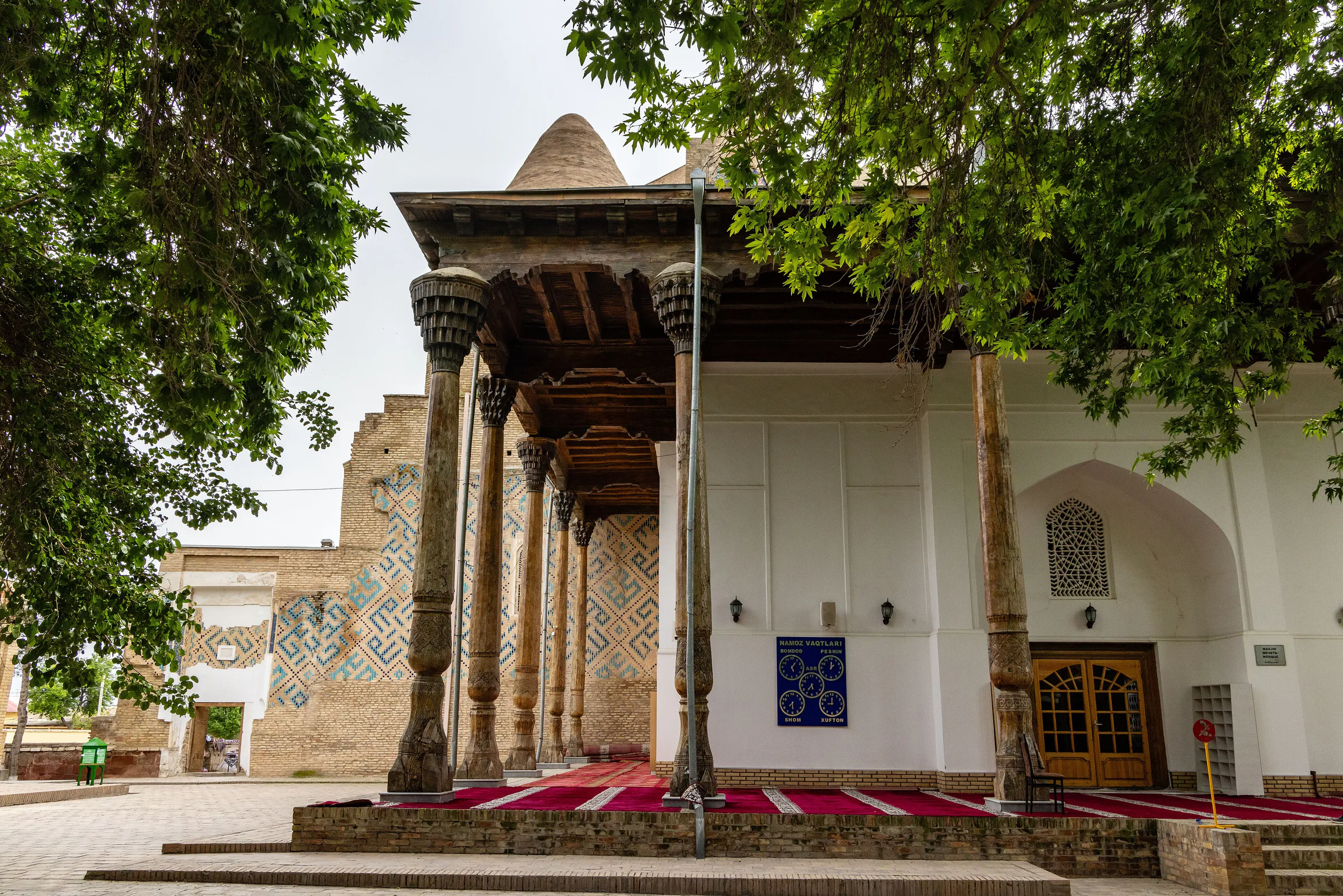
Mausoleum · Shahrisabz City
A cone-domed tomb for Timur’s favourite son
Mausoleum · Shahrisabz City
The tomb Timur prepared for himself, which stayed empty
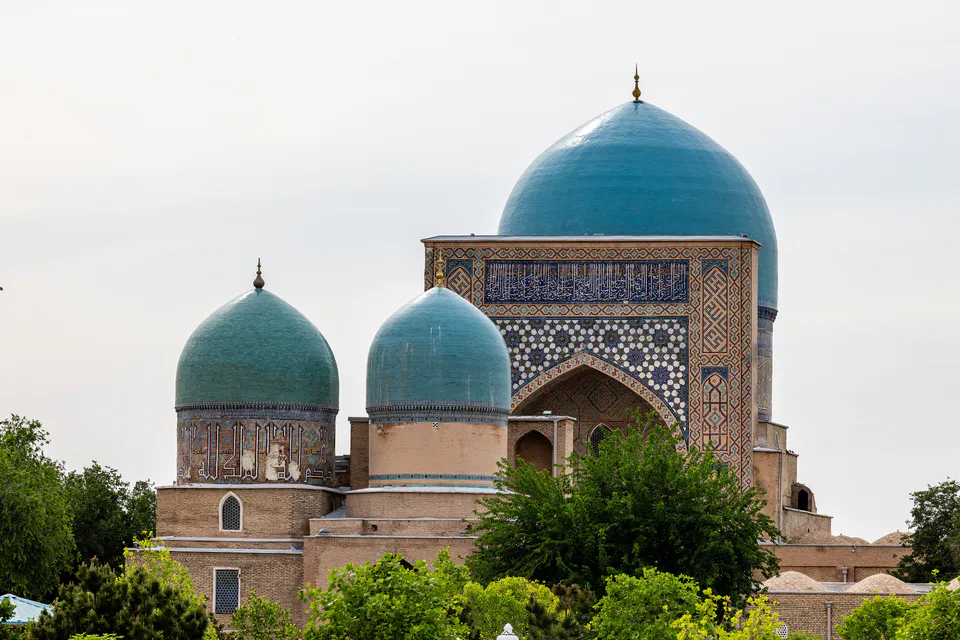
Ensemble · Shahrisabz City
A Timurid family shrine and Ulugh Beg’s Blue Dome
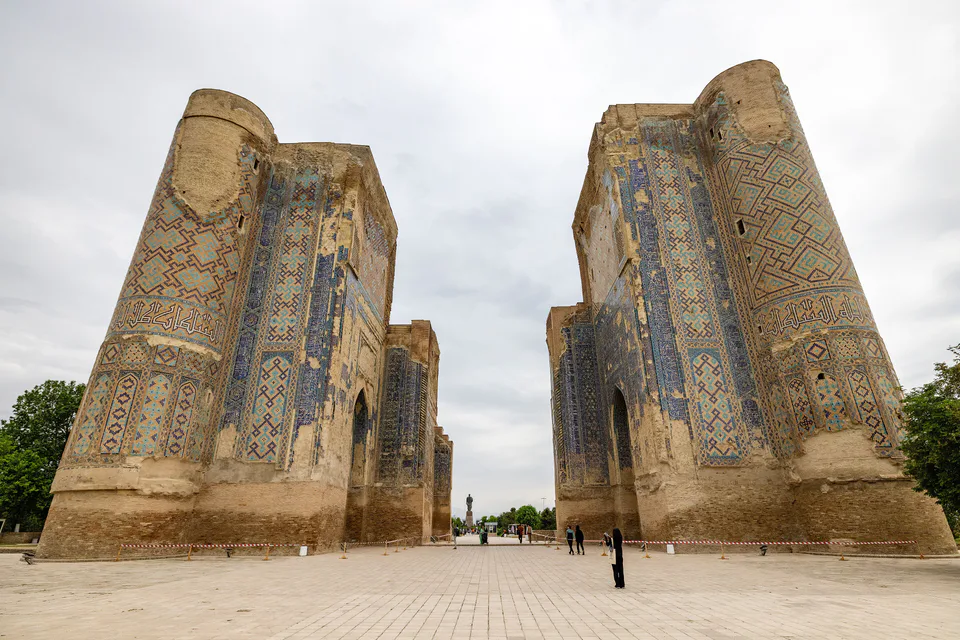
Ensemble · Shahrisabz City
What remains of Timur’s colossal palace in his home town
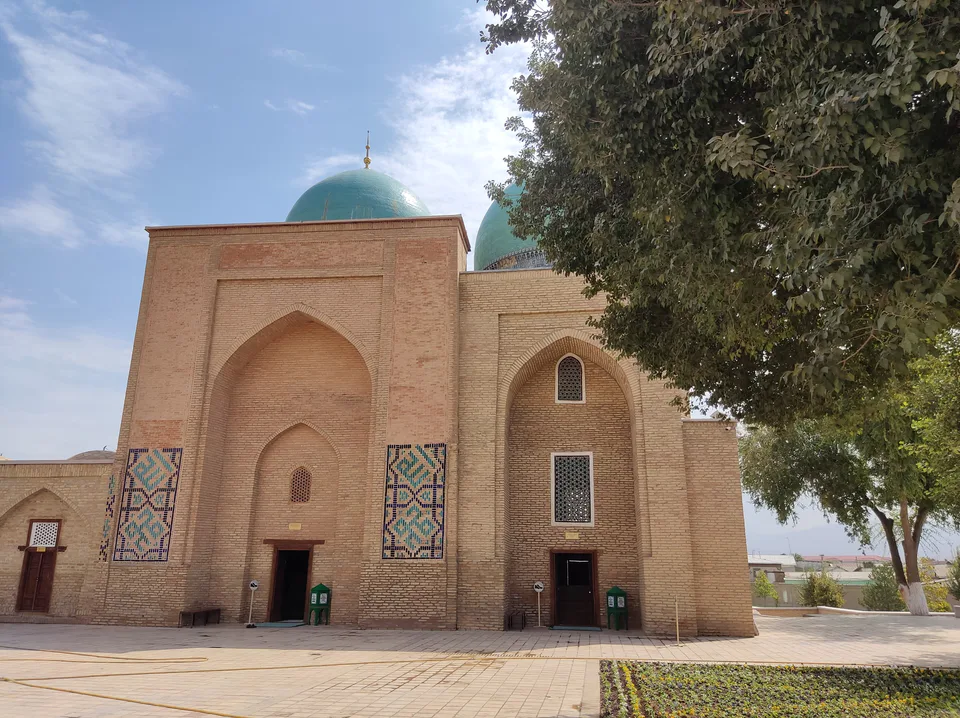
Mausoleum · Shahrisabz City
Resting place of Timur’s spiritual guide and his father
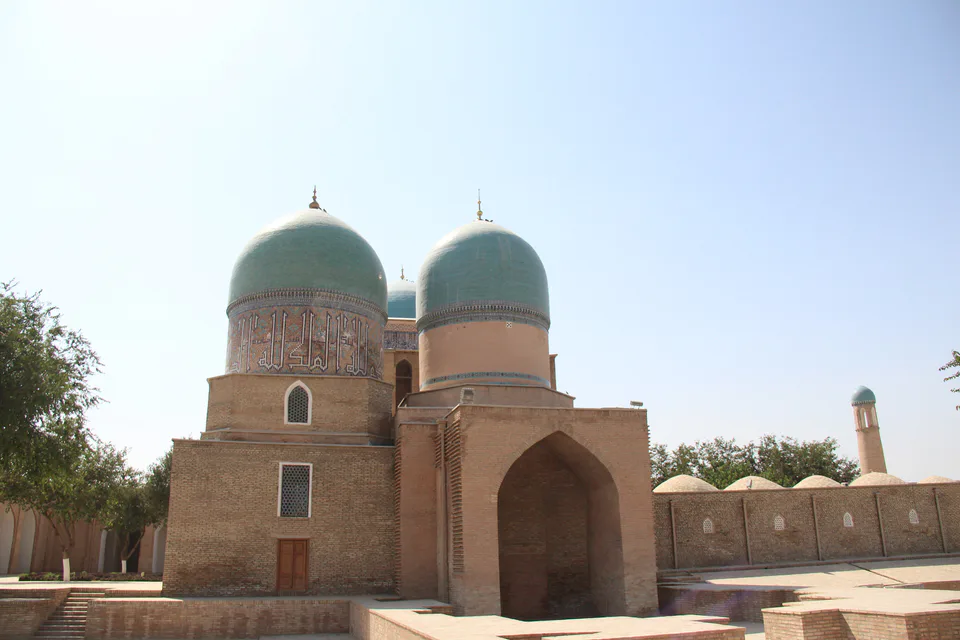
Mausoleum · Shahrisabz City
The “Dome of the Sayyids”, built by Ulugh Beg for his dynasty
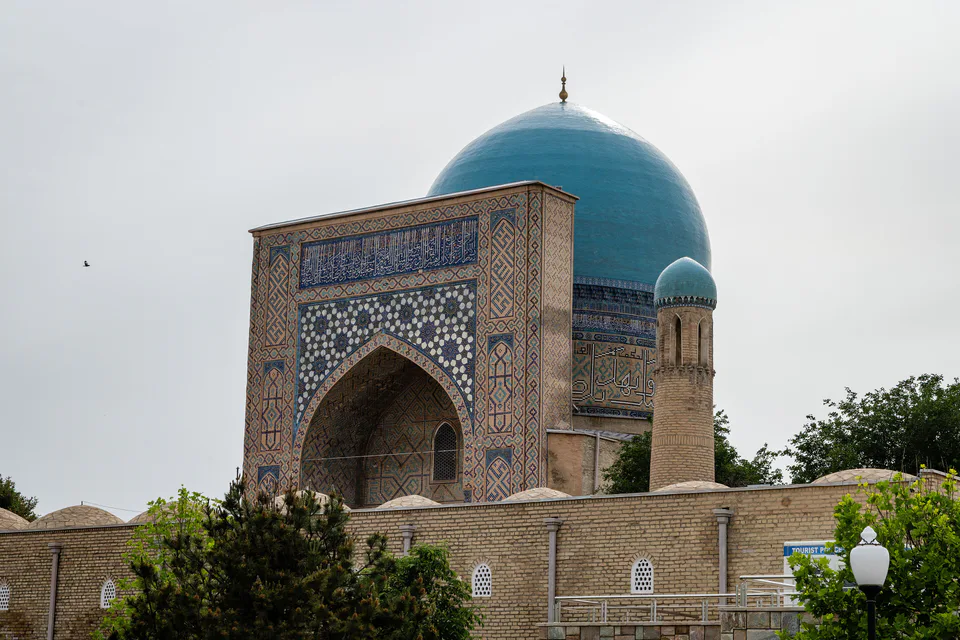
Mosque · Shahrisabz City
The Friday mosque Ulugh Beg built in his father’s name
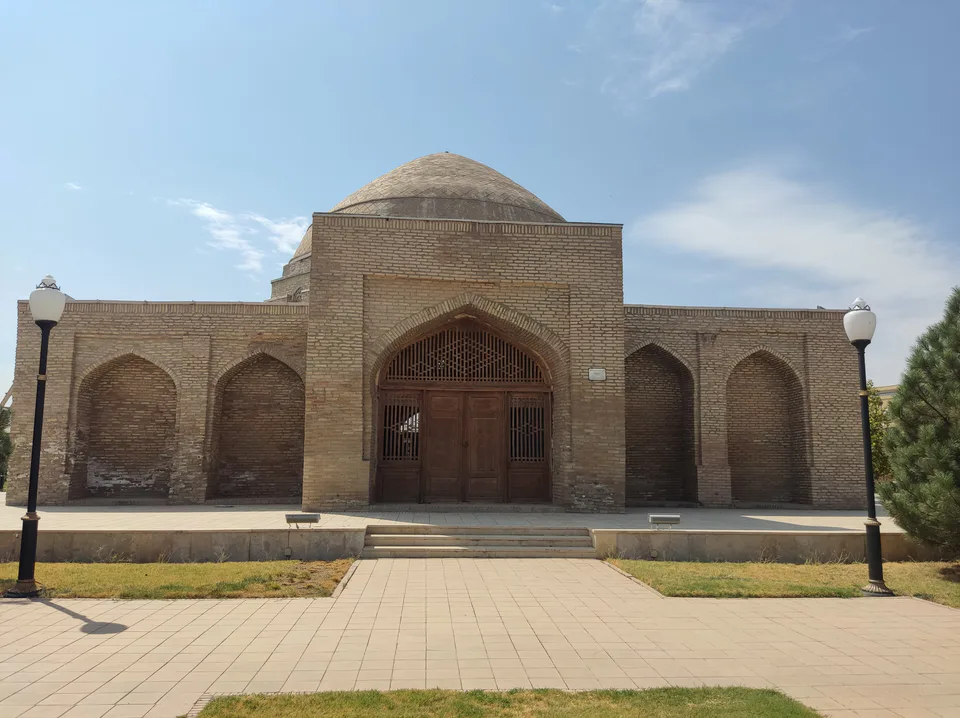
Bazaar · Shahrisabz City
A domed market where four streets meet
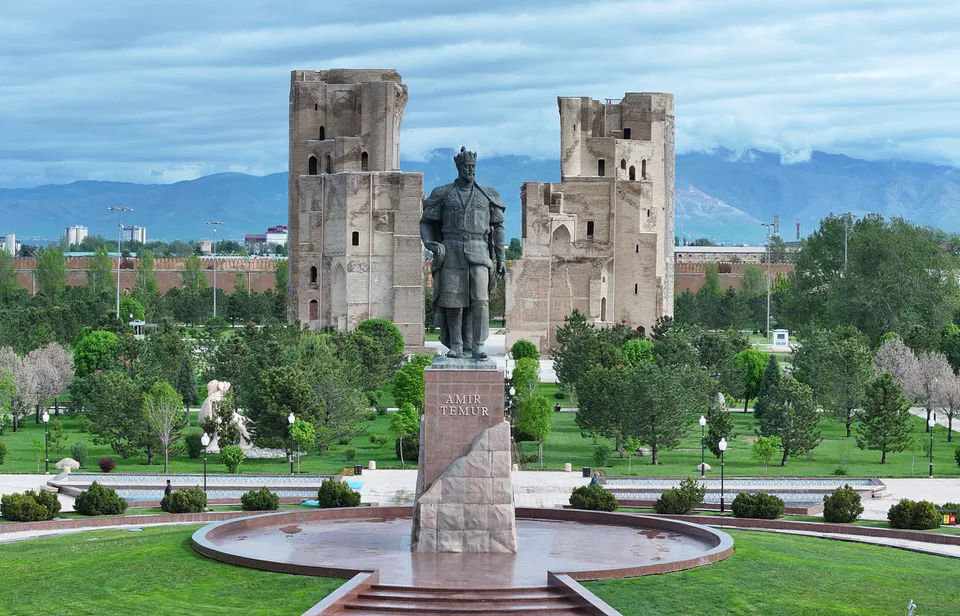
Ensemble · Shahrisabz City
Kesh, Timur’s birthplace and a UNESCO site
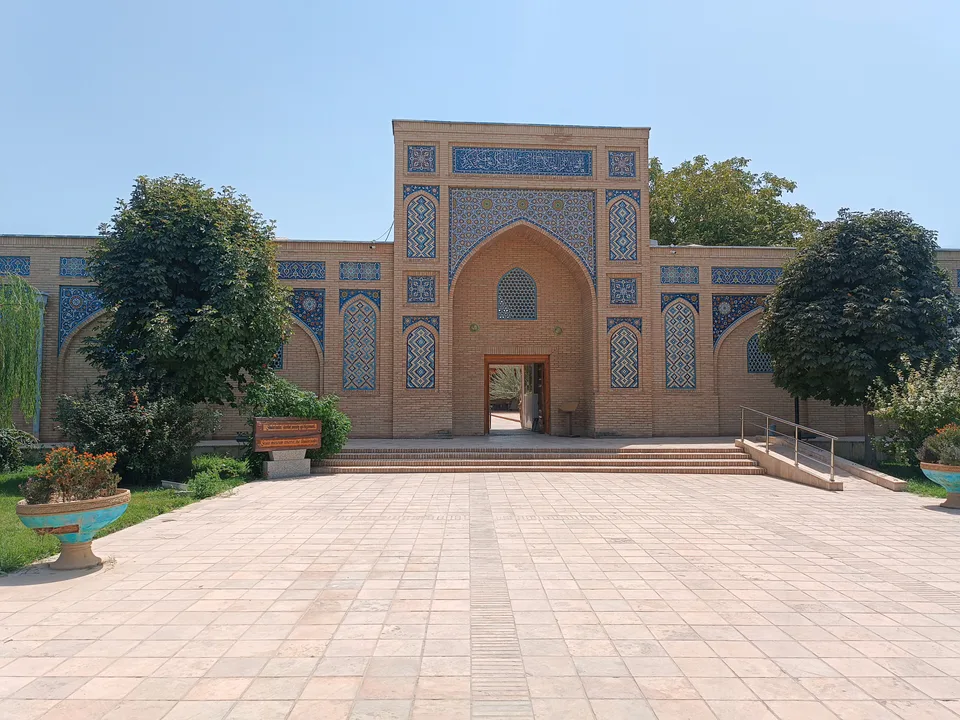
Madrasa · Shahrisabz City
The town museum in a madrasa by the old timber market