Archaeology · Jondor District
Varakhsha
Palace of the Bukhar Khudahs and its murals
Archaeology · Shofirkon District
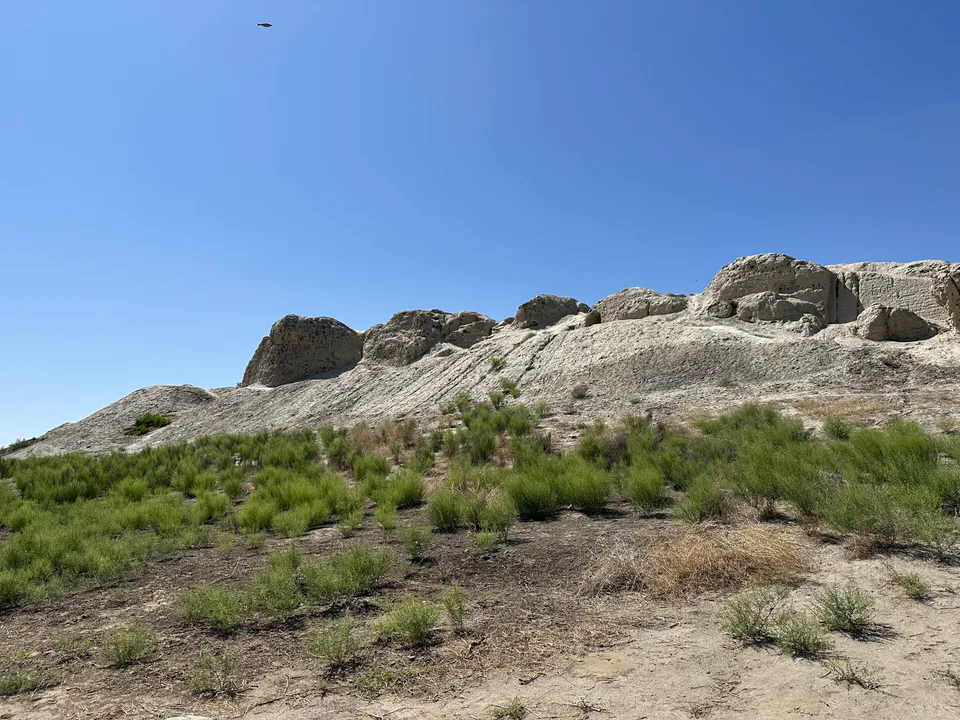
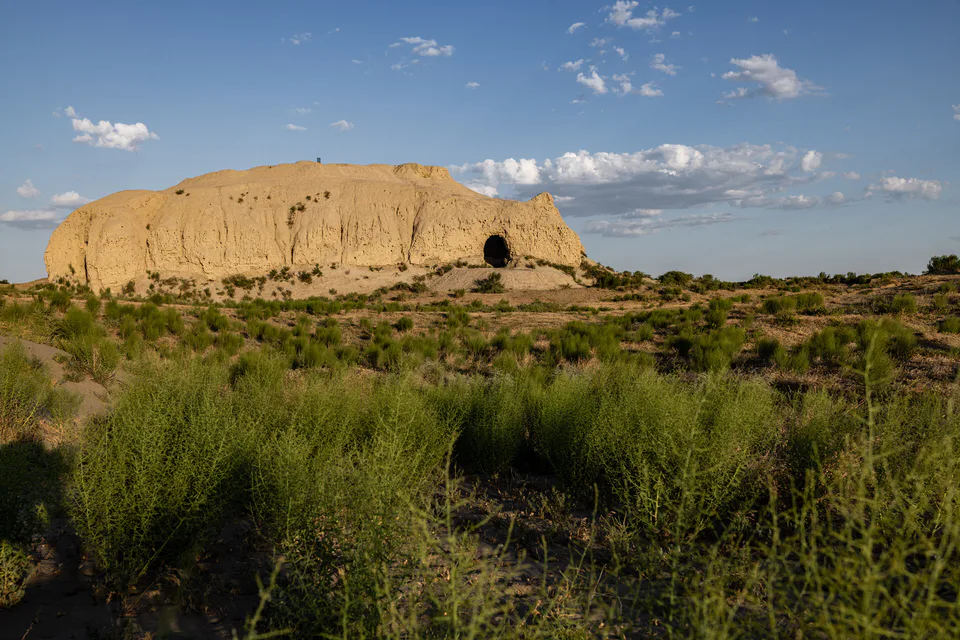
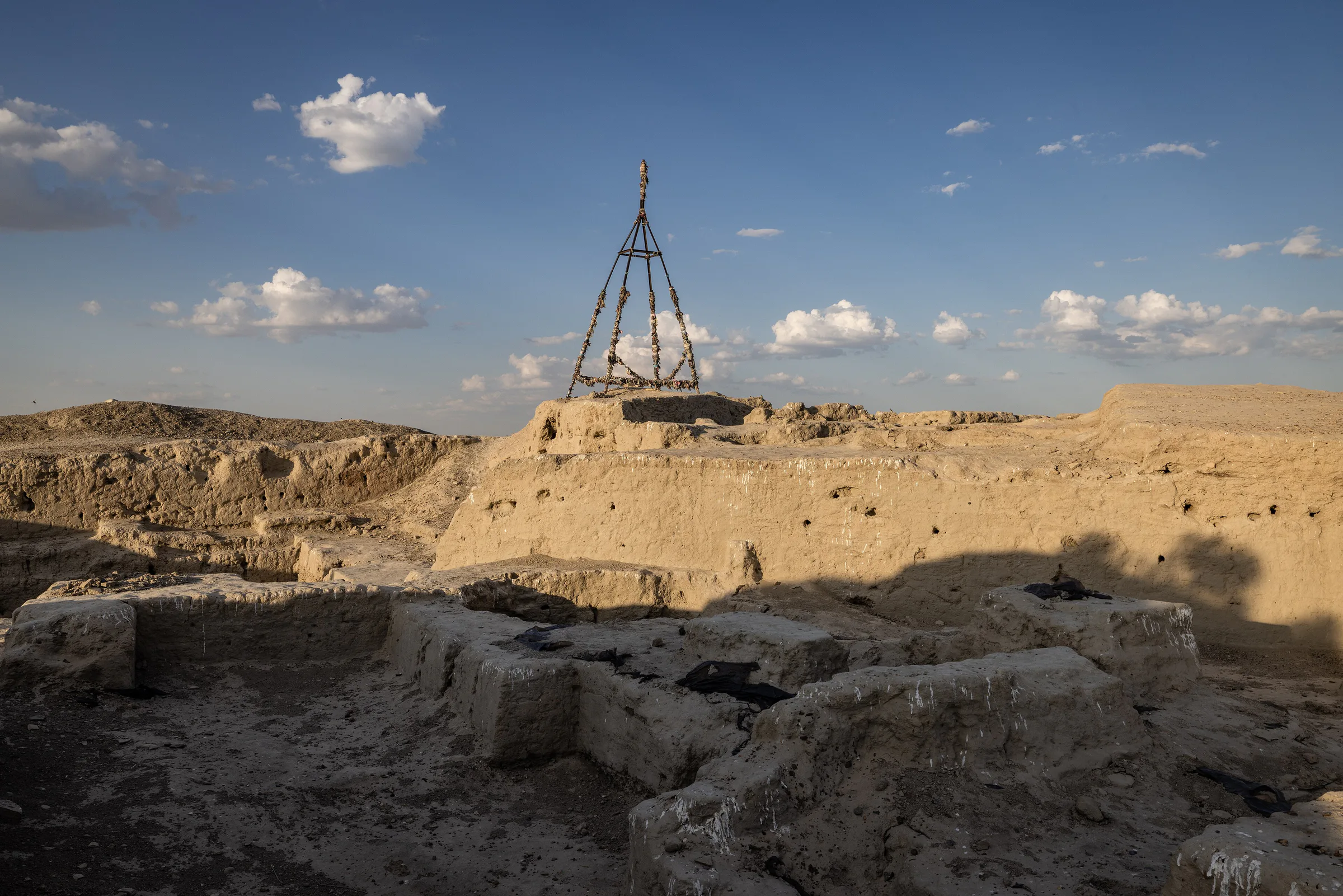
Vardana, which Narshakhi believed older than Bukhara, was the capital of the Vardan Khudah dynasty. Sand engulfed it in the 19th century and its people left; it has been part of a UNESCO site since 2023.
The 10th-century historian Narshakhi described Vardana as a large settlement with a strong fortress, a royal residence since ancient times; he says it was older than Bukhara, lay on the frontier with Turkestan, and held a weekly market that drew crowds of merchants and exported the famous zandaniji cloth. Legend credits its fortress to a Sasanian prince, Shapur, also linked with the Shapurkam canal. The city was ruled by kings titled Vardan Khudah, and the Arabs under Qutayba ibn Muslim conquered the area in 708–709.
Vardanze had a citadel — with the ruler's palace, arsenal, stores and mint — and a shahristan where craftsmen lived. Advancing sands buried the town in the 19th century and it was abandoned. A 324-hectare reserve was created here in 1975, and today the site is a large mound.
Archaeology · Jondor District
Palace of the Bukhar Khudahs and its murals
Archaeology · Qorakoʻl District
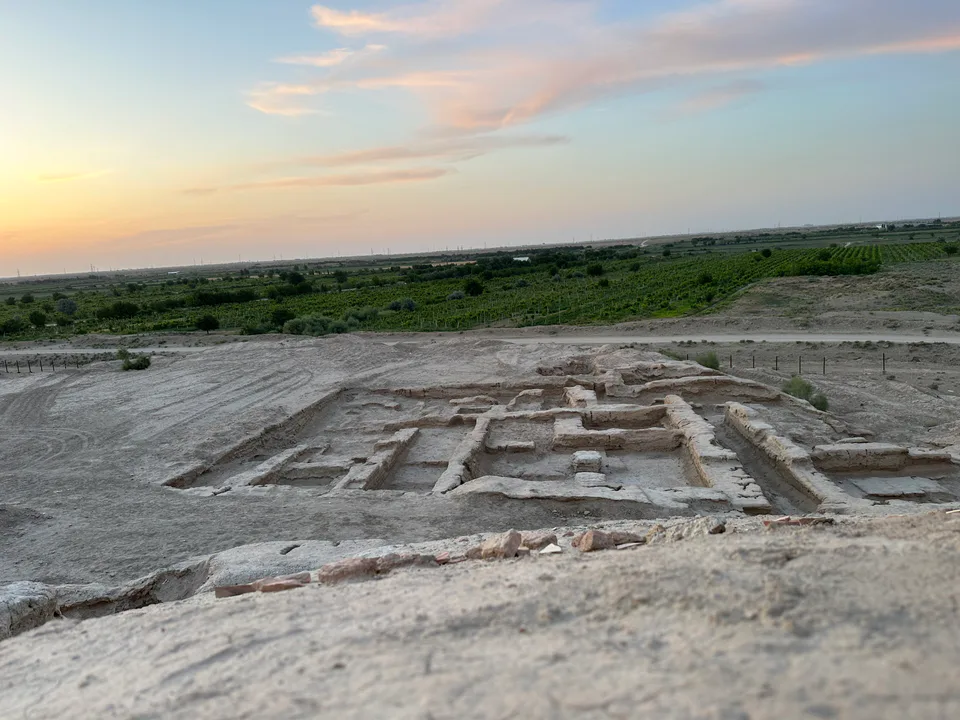
'City of merchants' with walls of 'copper'
Minaret · Vobkent District
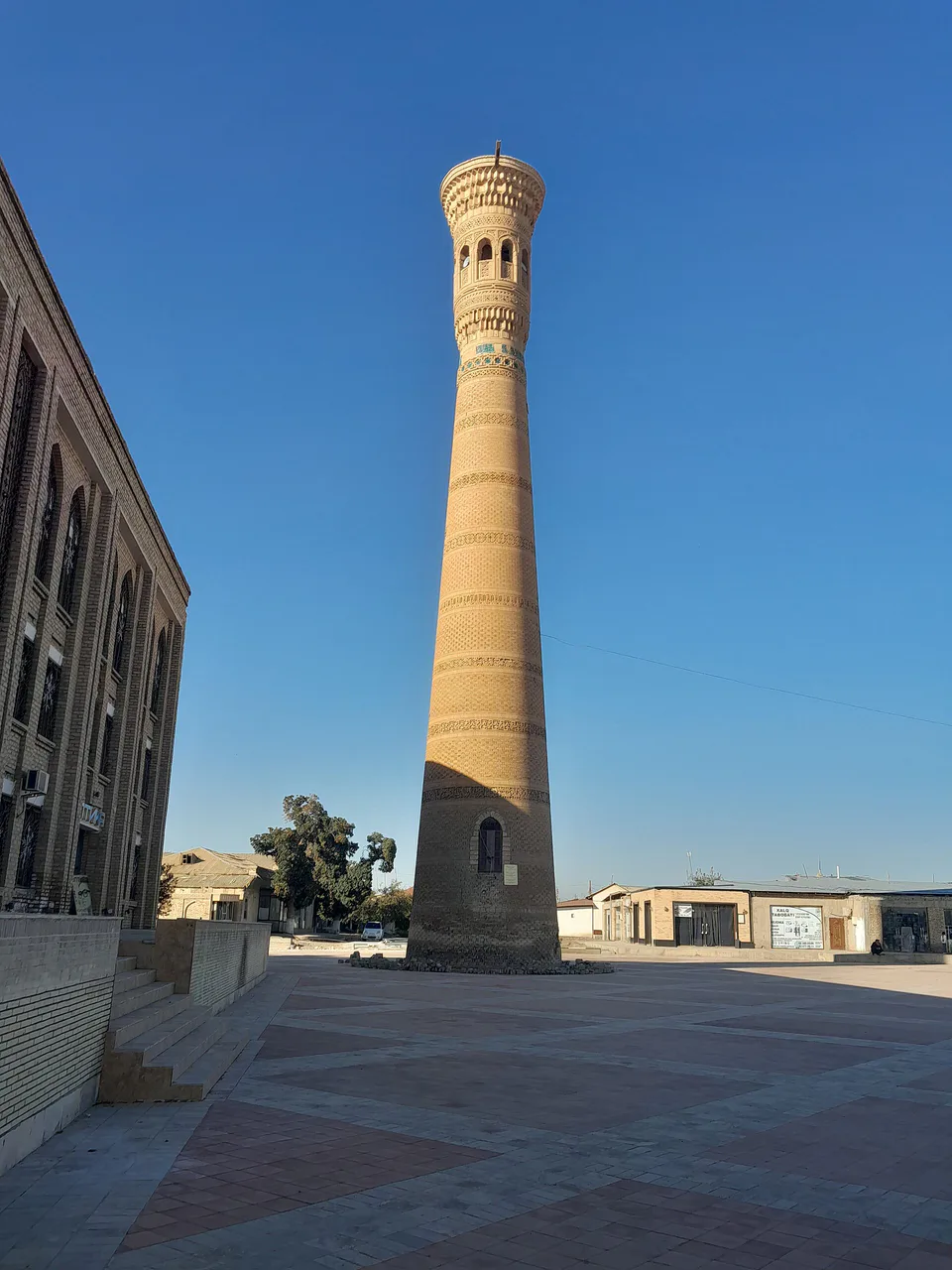
The Kalyan Minaret's 'little brother'
Pilgrimage site · Shofirkon District
Second stop on the Seven Pirs pilgrimage
Pilgrimage site · Vobkent District
Anjirbog, resting place of the third of the Seven Pirs
Museum · Peshku District
The village where the great physician was born
Culture & arts · Gijduvan District
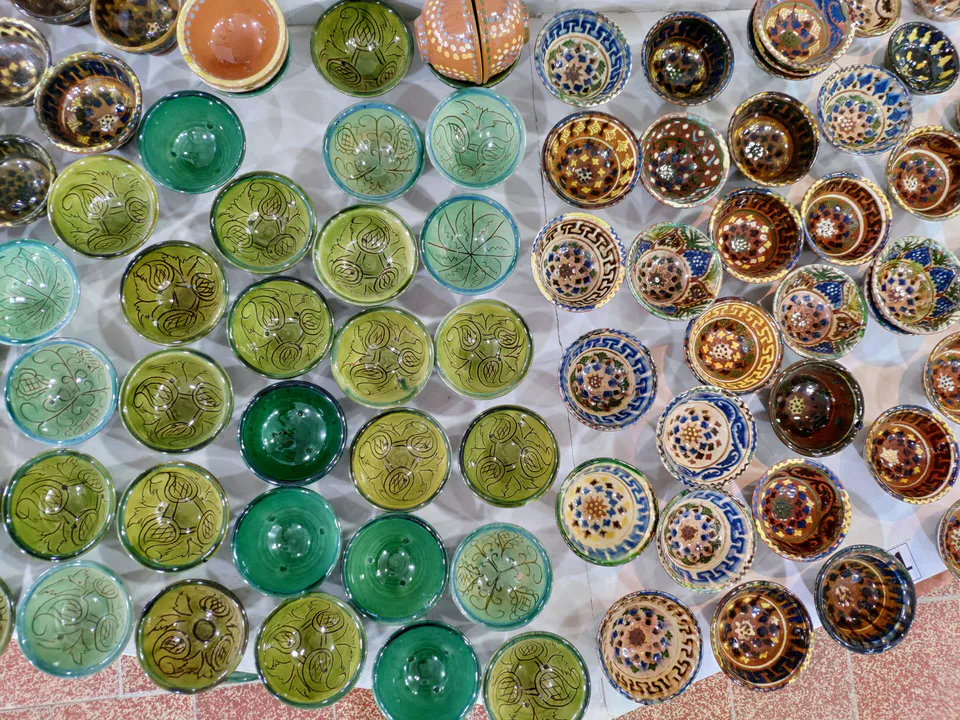
Six generations of potters in one family
Pilgrimage site · Gijduvan District
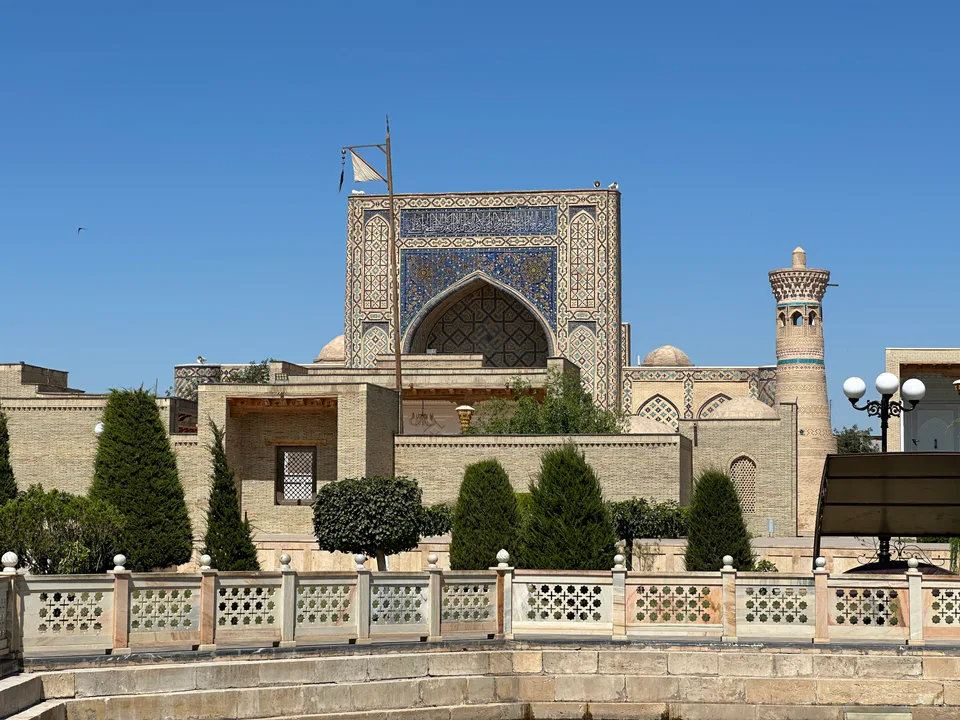
Tomb of the Khwajagan founder and Ulugh Beg's last madrasa
Pilgrimage site · Romitan District
Hazrati Azizon, the weaver saint
Pilgrimage site · Romitan District
The pir who foretold Bahauddin Naqshband’s birth