Craft · Fergana
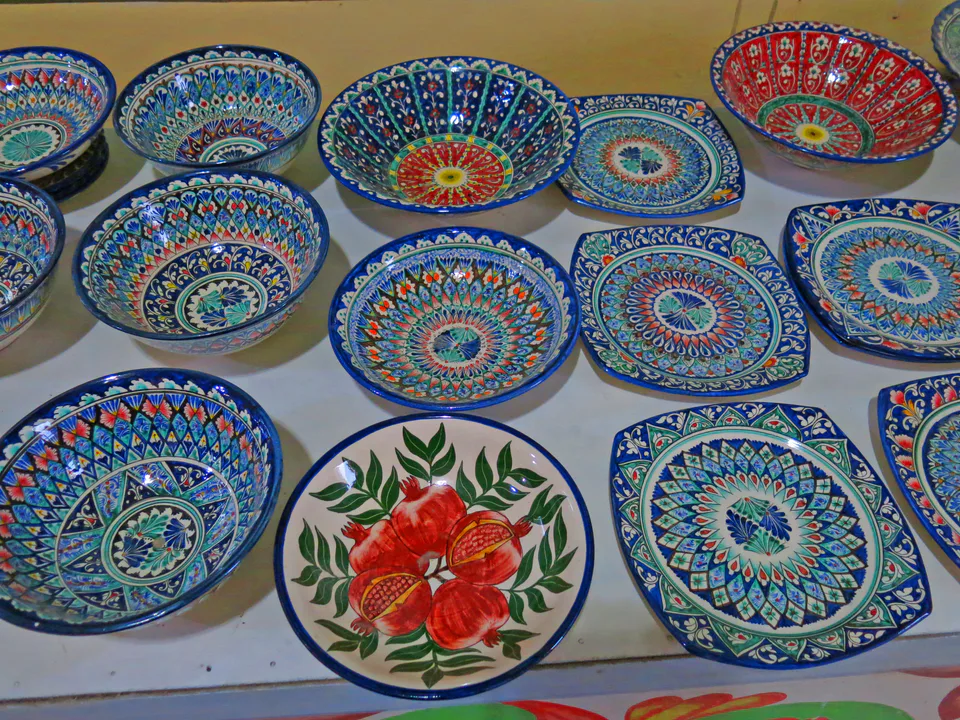
Rishtan ceramics
The blue and turquoise pottery of Rishtan in the Fergana Valley, famed for its ishkor glaze made from plant ash and its local red clay.
Craft · Nationwide
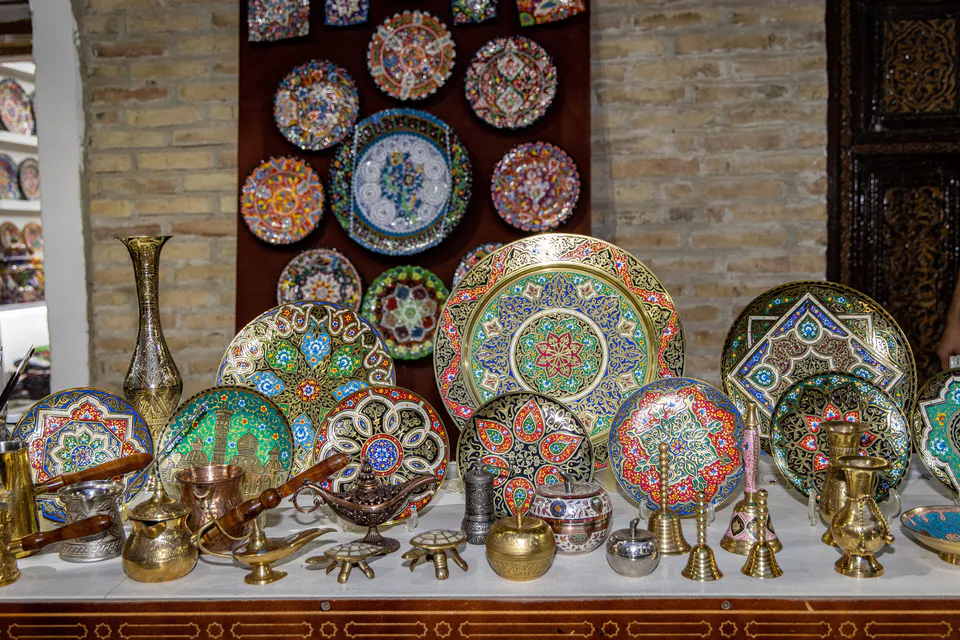
The art of engraving copper and brass: by the 19th century Bukhara, Samarkand, Khiva, Kokand, Karshi, Shahrisabz and Tashkent each had their own school.
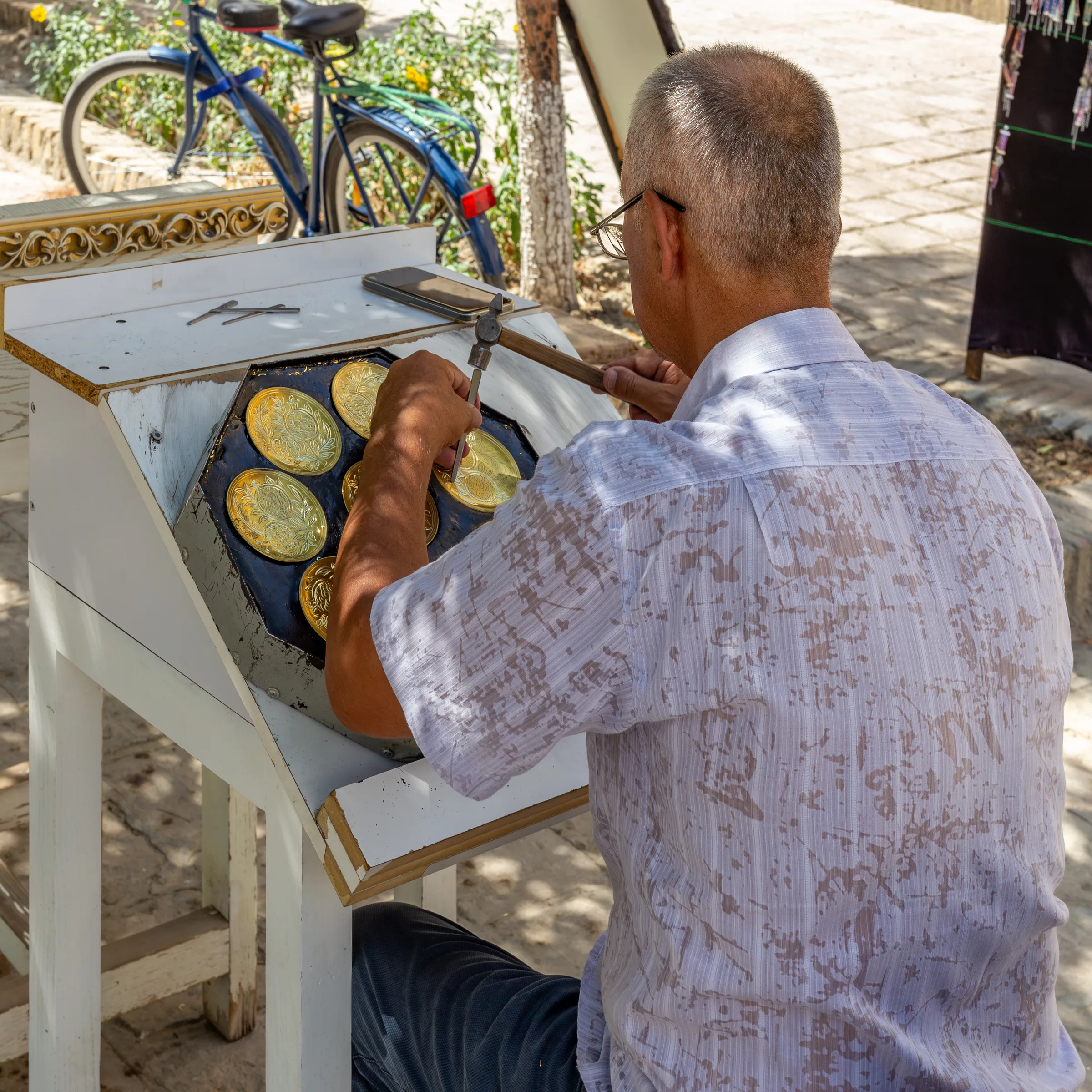
Kandakorlik is the art of cutting and engraving patterns and images into metal. Craftsmen work in kandakori (carving and cutting), qolipaki (stamping from moulds), simkori (wirework) and shabaka (pierced openwork); the background is chased away with steel tools, deep or shallow, and sometimes filled with coloured lacquer. Flowing islimi plant ornament and geometric girih dominate, and decoration grew especially varied under the Timurids.
Archaeological finds such as a bronze cauldron of the 6th–5th centuries BC from the Fergana Valley show how ancient metalworking is here.
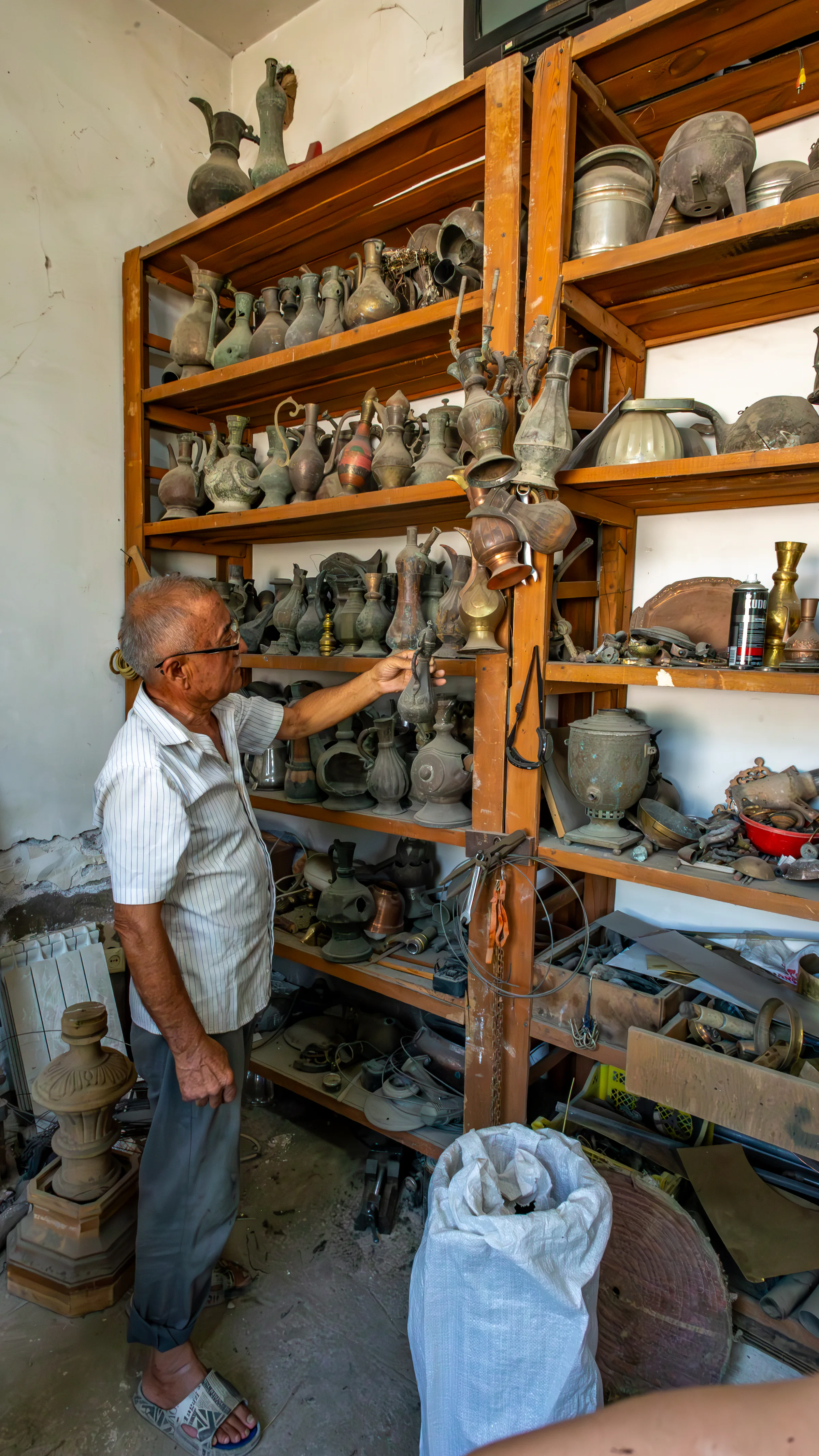
By the late 19th century distinct Fergana, Tashkent, Bukhara, Karshi–Shahrisabz, Samarkand and Khorezm schools had emerged. Fergana masters favoured delicate, shallow patterns recalling gardens and flower beds; Bukhara’s made mid-sized pieces inscribed with verses; Samarkand’s excelled at openwork; Karshi and Shahrisabz set glass and turquoise into the metal. Today you can watch coppersmiths and buy teapots, ewers, jugs and trays in Bukhara’s trading domes, in Khiva’s Itchan Kala and in the bazaars of the Fergana Valley.
Craft · Fergana
The blue and turquoise pottery of Rishtan in the Fergana Valley, famed for its ishkor glaze made from plant ash and its local red clay.
Craft · Bukhara
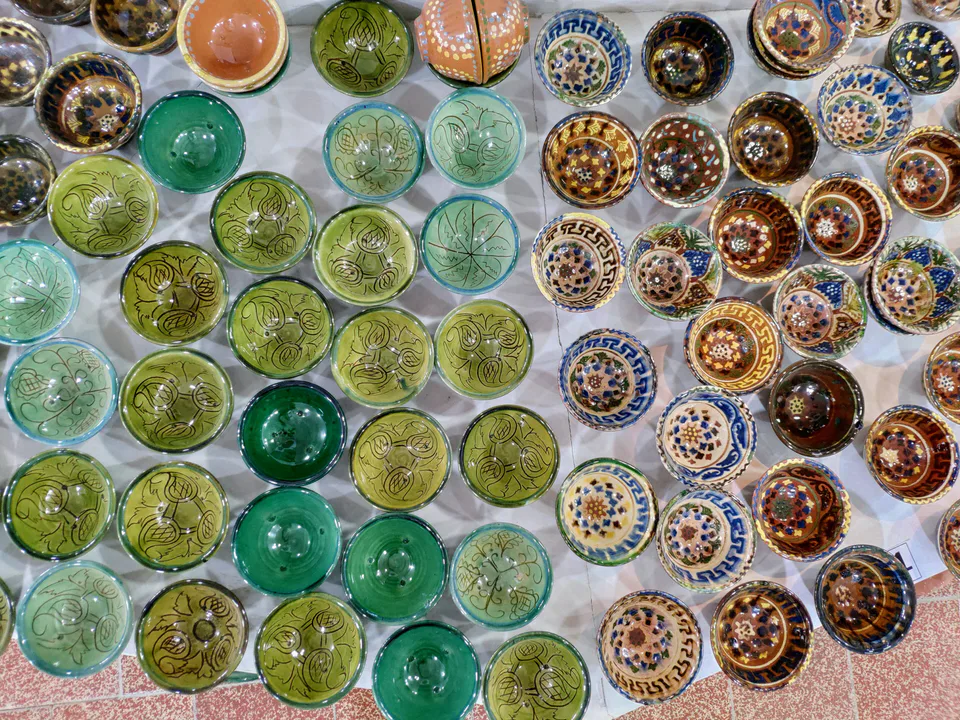
Pottery from Gijduvan near Bukhara, glazed in browns, yellows and greens — the best-known centre of the Bukhara–Samarkand school.
Craft · Fergana
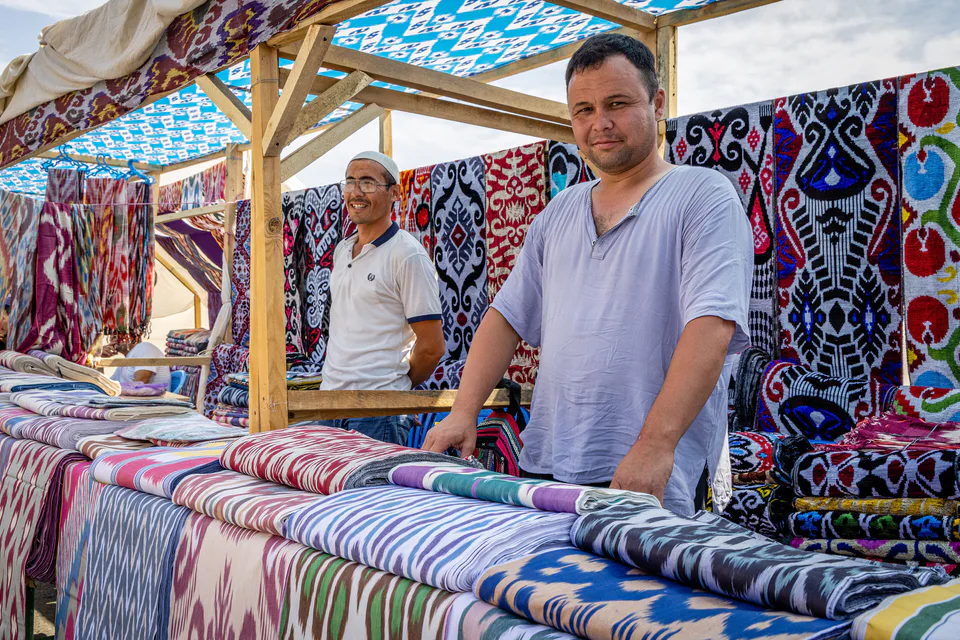
Margilan’s ikat silks: pure-silk atlas and half-silk adras. UNESCO recognises the town’s work to safeguard them as a model practice.
Craft · Bukhara
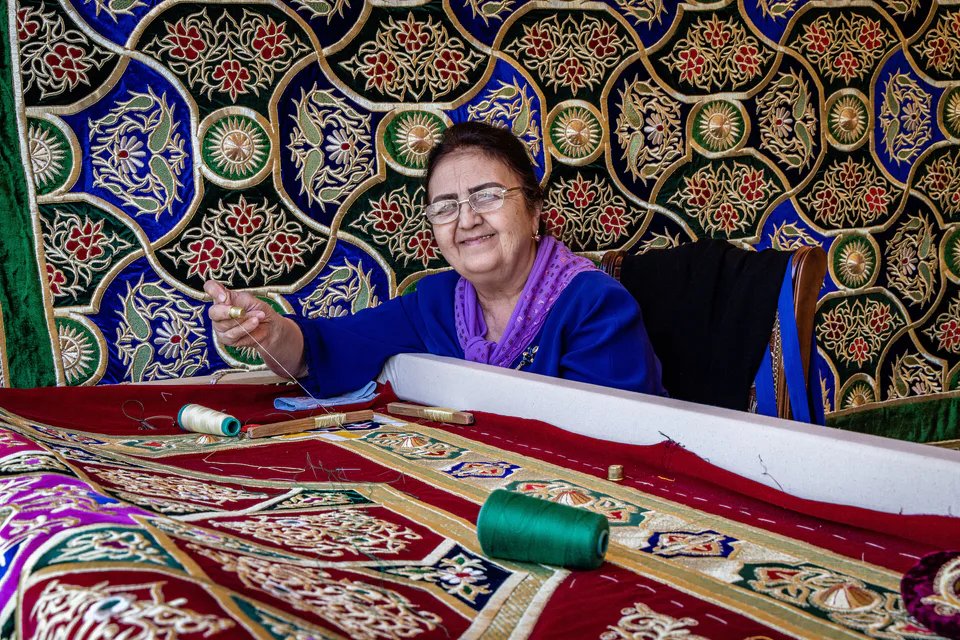
Embroidery in gold and silver thread on velvet and silk — the art of the Bukhara emirs’ court and still the city’s most precious craft.
Craft · Khorezm
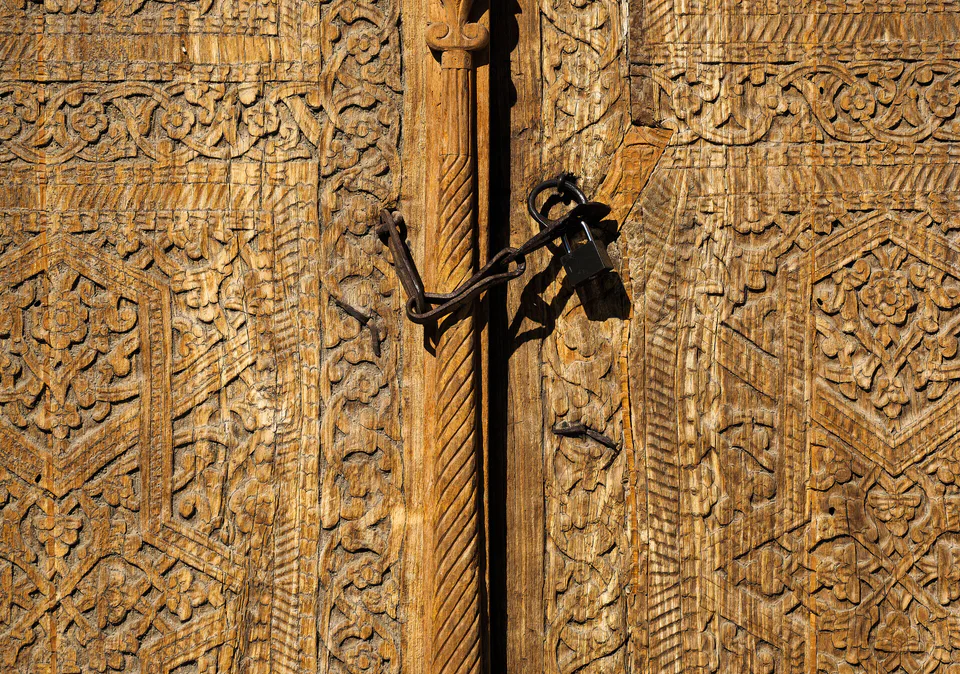
The carved doors and columns of Itchan Kala: Khiva’s carvers never paint the wood, finishing it only with natural oil; the Juma Mosque alone has more than 200 columns.
Craft · Namangan
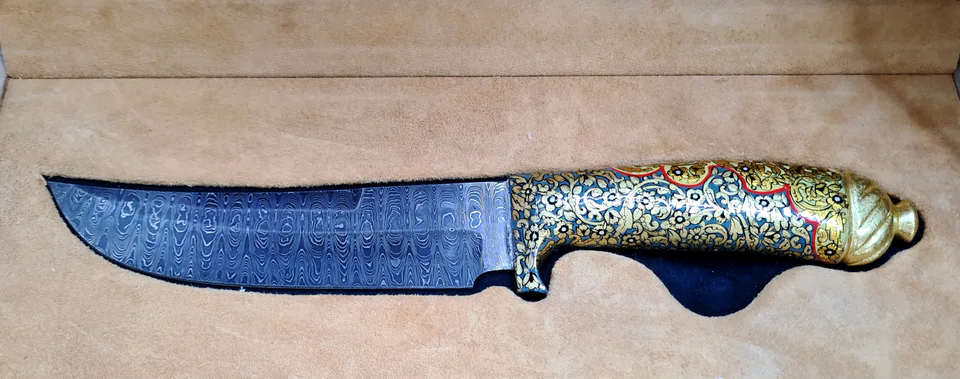
Hand-forged knives from Chust in Namangan Region: a blade with a slightly upturned tip, the maker’s stamped ‘signature’ and a decorated sheath.
Craft · Namangan
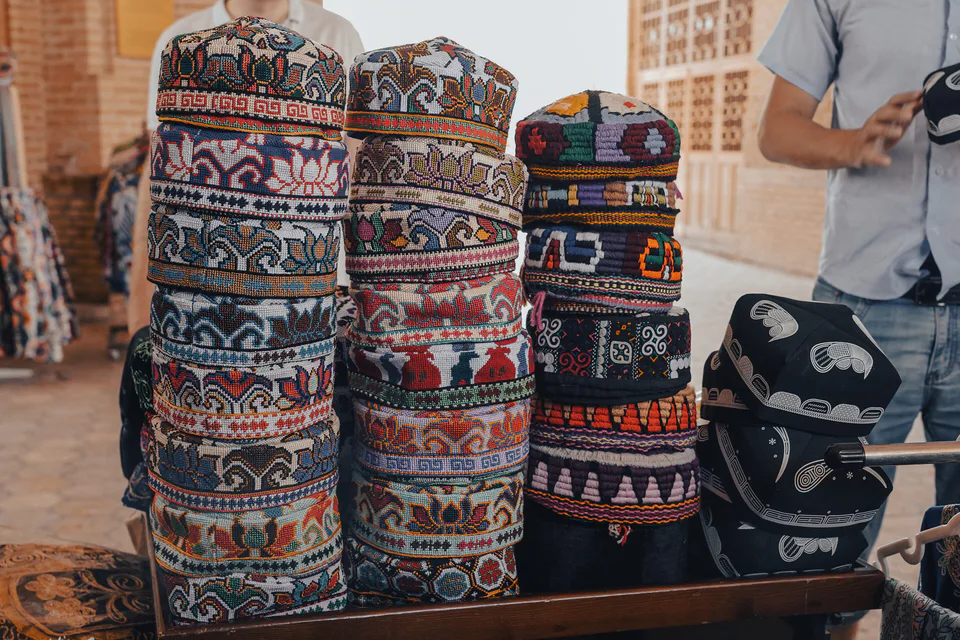
The four-sided Chust skullcap, with white pepper-pod motifs on dark green, is the best-known emblem of Uzbek dress — and every oasis has its own doppi.
Craft · Samarkand
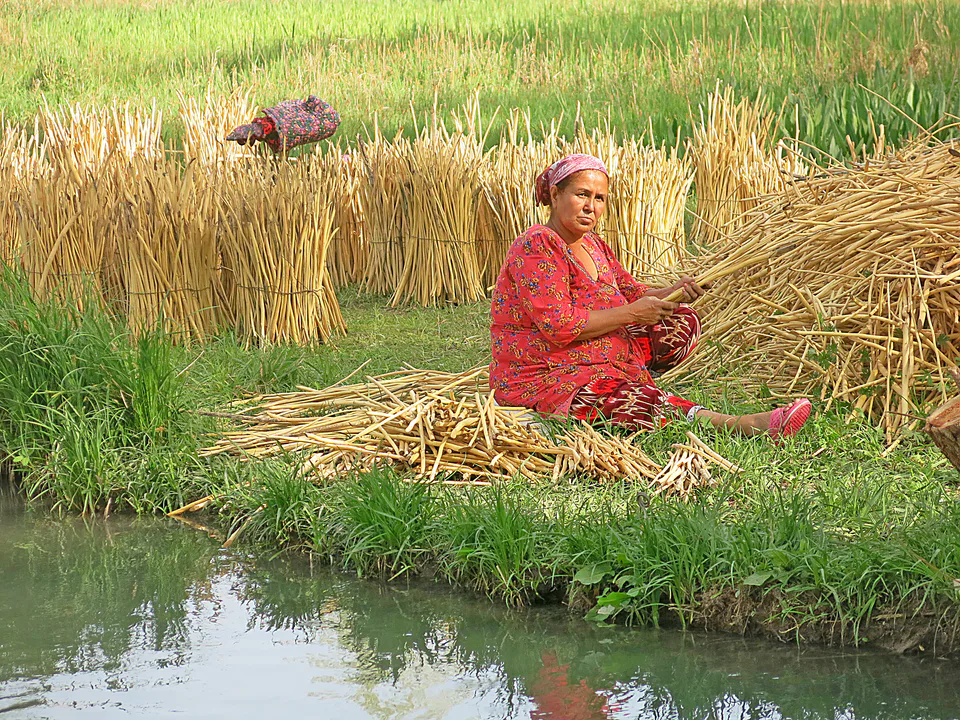
Paper made from mulberry bark — the finest writing material of the 9th–10th-century Islamic world, revived at Konigil at the end of the 20th century.
Craft · Bukhara
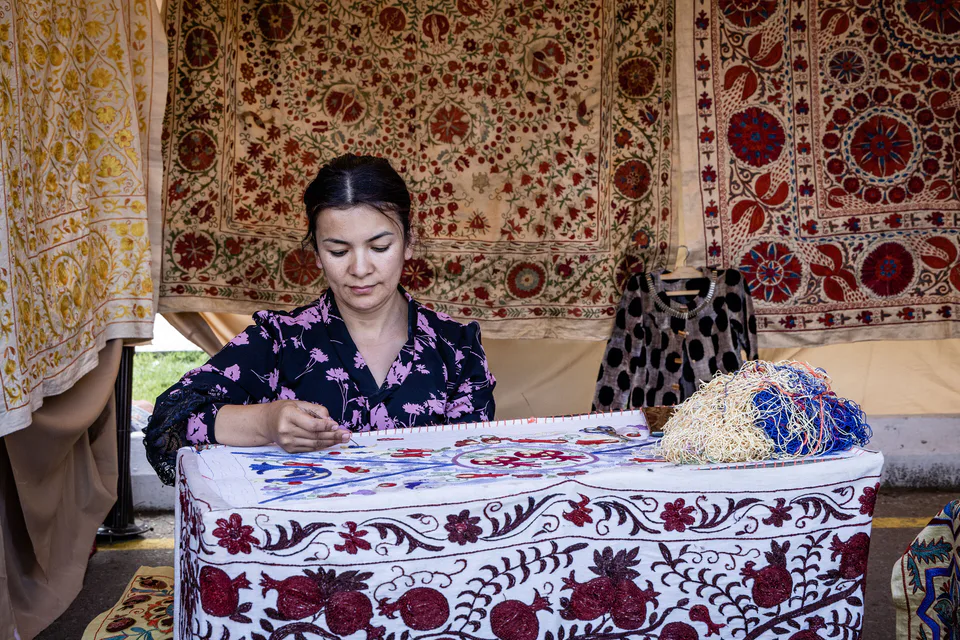
Large hand-embroidered hangings called suzani; the Bukhara school is known for fine designs covering almost the whole cloth in reds and greens on a pale ground.
Craft · Navoiy
Embroideries from Nurata in Navoiy Region: realistic sprays of carnations, irises, cotton flowers and cherries on a pale ground around a central eight-pointed star.