Archaeology · Jondor District
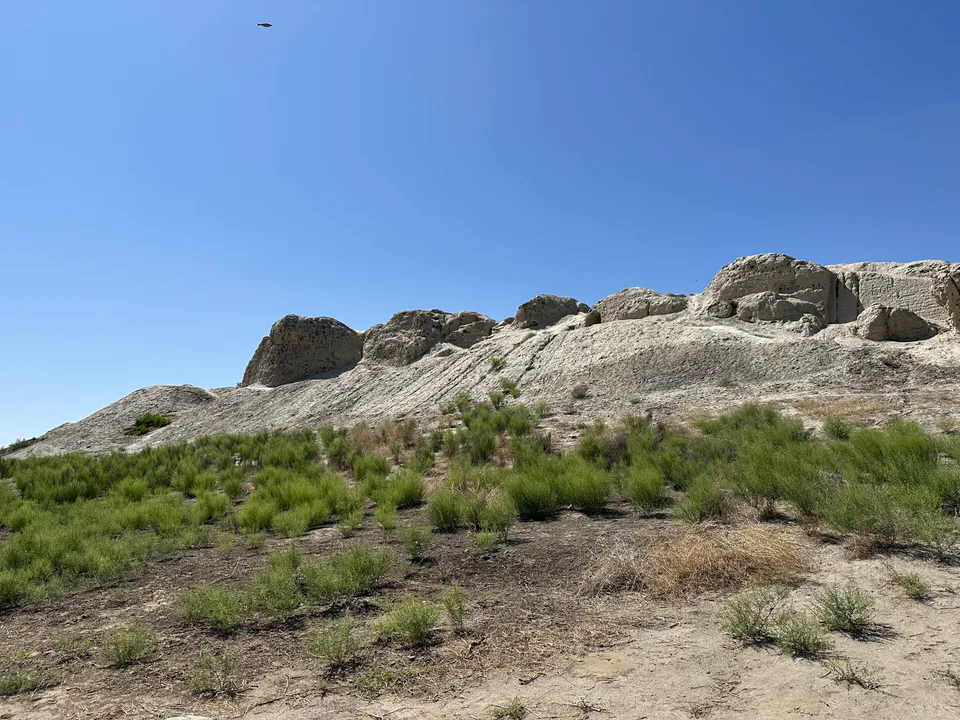
Varakhsha
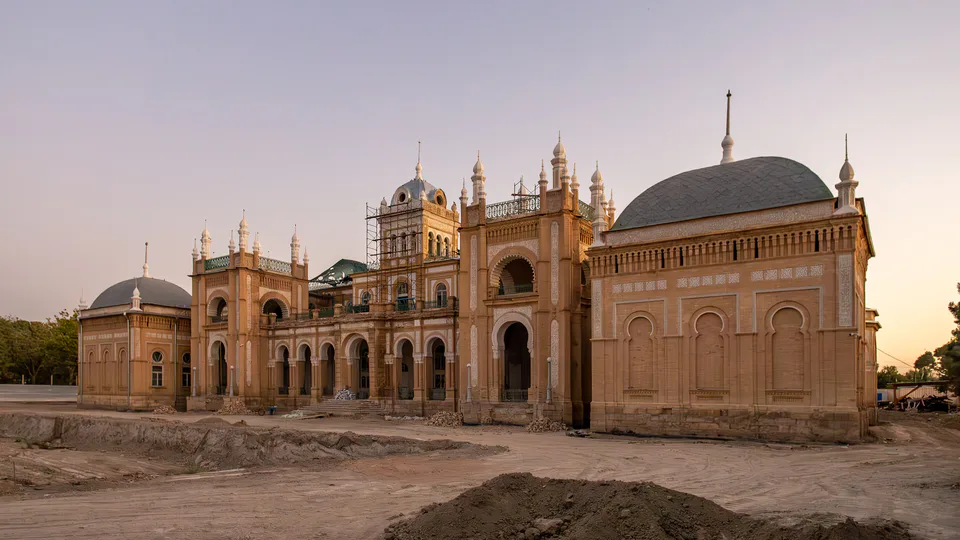
Palace of the Bukhar Khudahs and its murals
district · Bukhara Region
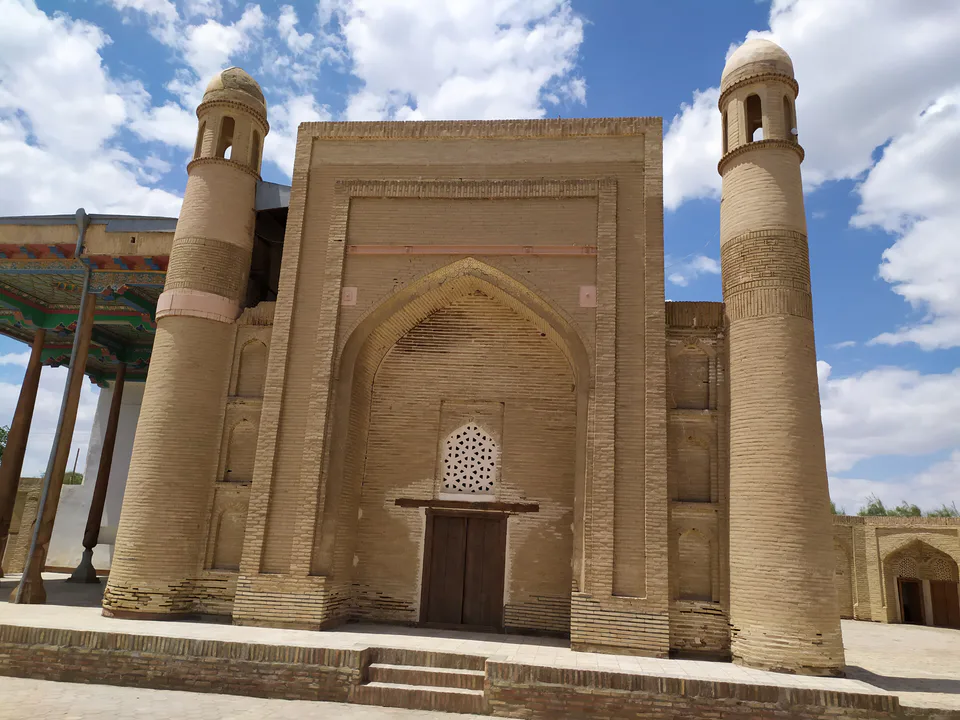
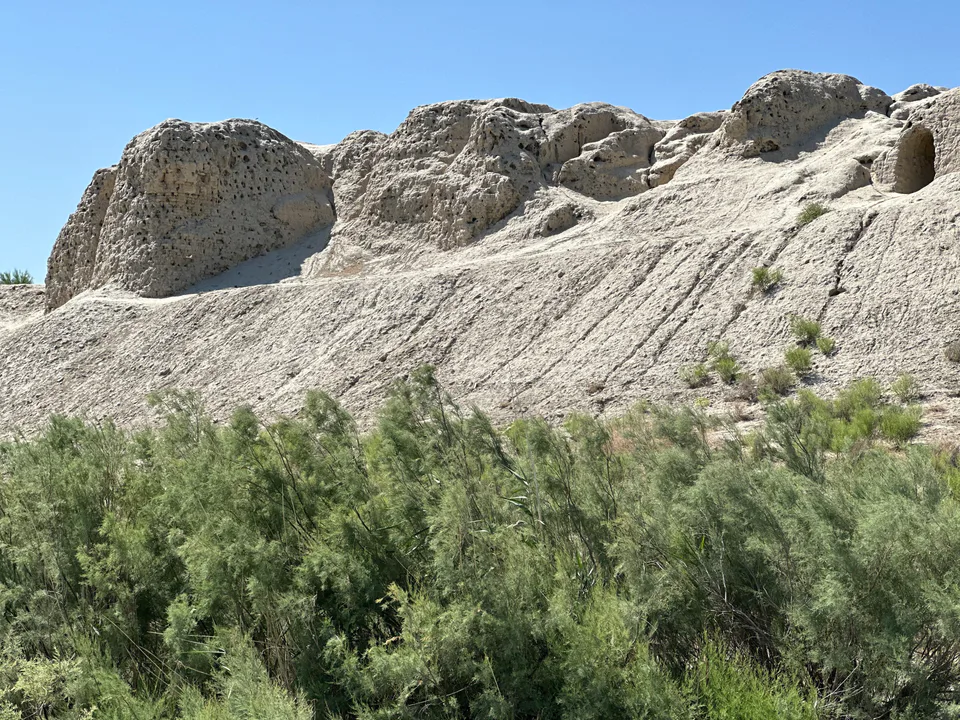
Jondor District in the west of the region is known for the ancient city of Varakhsha, the Qizbibi complex and the tomb of Mahmud Tarabi.
Jondor borders Olot and Qorakoʻl to the south-west and Bukhara, Romitan and Peshku districts to the east and north-east. It was set up in the 1930s as Sverdlov District, abolished in 1963, restored in 1967 and renamed Jondor in 1992. Its centre is the urban-type settlement of Jondor, about 20 km west of Bukhara, one of nine such settlements in the district.
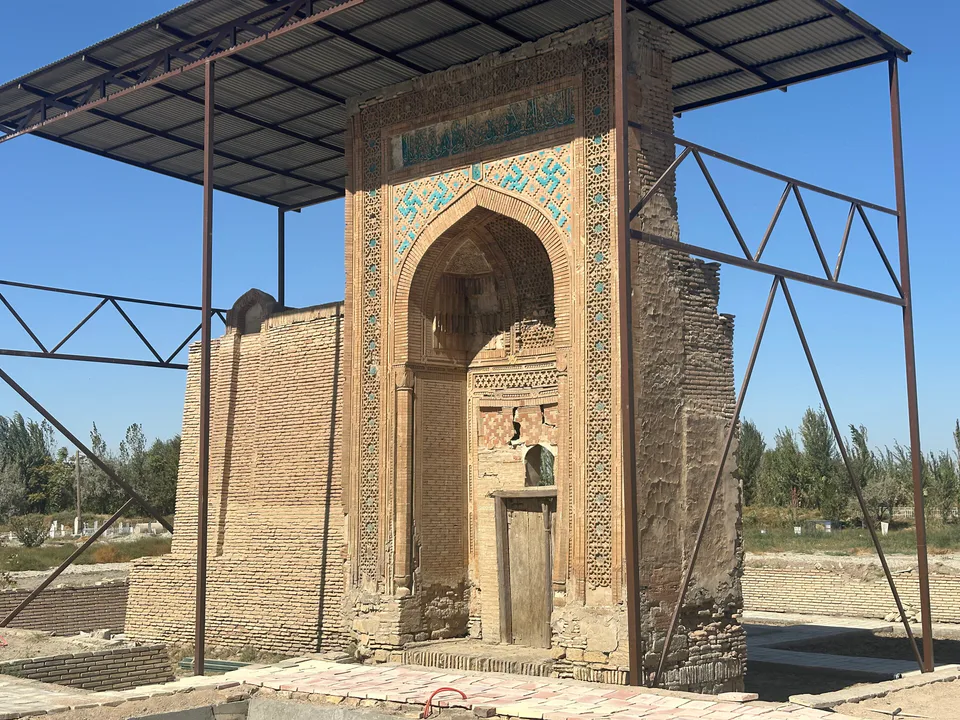
The district lists 62 archaeological and 14 architectural monuments. The best known are the ruins of Varakhsha, with the palace of the Bukhar Khudahs (part of a UNESCO site since 2023), and the Qizbibi complex linked to the female saint Agha-yi Buzurg; the tomb of Mahmud Tarabi, leader of a 13th-century uprising, is also here. Textiles, food processing and silk farming are the main industries. On 1 January 2026 the district had 191,900 residents.
Jondor District
Airport, railway station and bus stations — addresses, timetables and the live board.
All transportBukhara Nearest point: Bukhara, 21 km
12°clear sky
Weather: MET Norway
Jondor District
Khokimiyat, public service centre and other offices: addresses, phones, hours.
All offices (4)Khokimiyat
26 M. Tarobiy St, Jondor District
9:00–18:00
Read morePublic Service Centre
30 M. Tarobiy St, Jondor District
Read more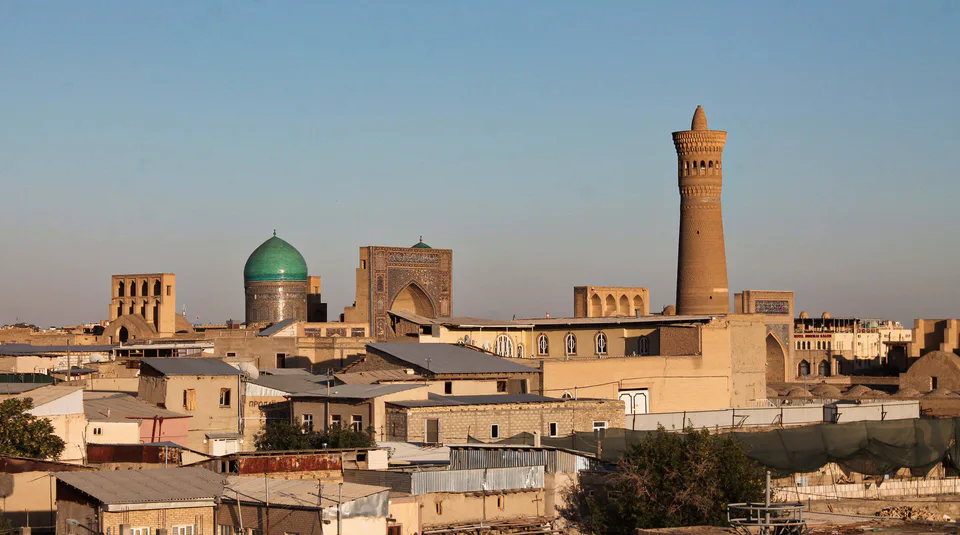
city · Central Asia's living museum city
city · 'New Bukhara', born of the railway
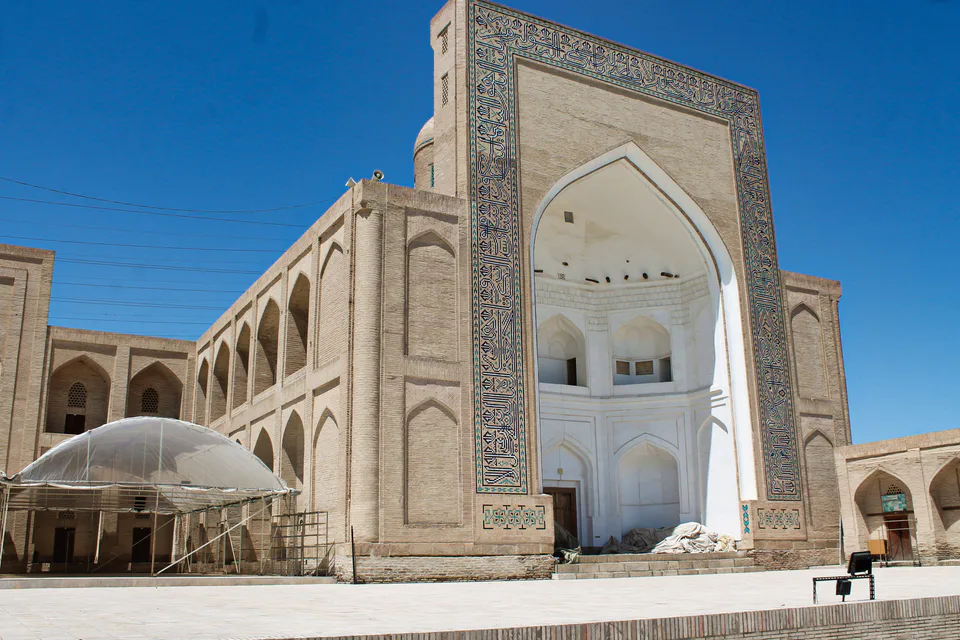
district · The oasis around the city
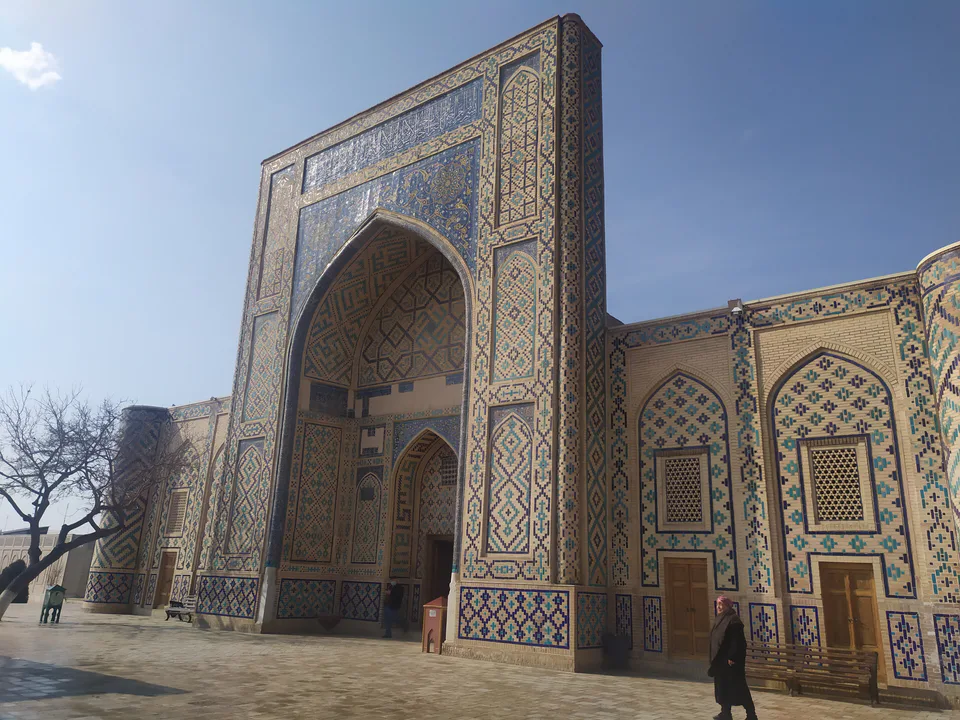
district · Land of potters and Sufis
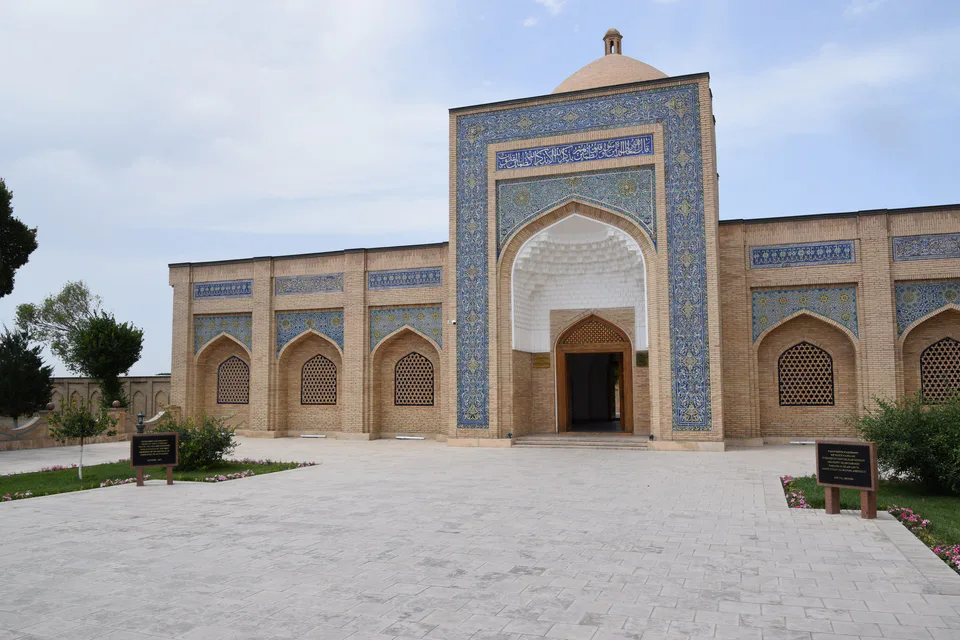
district · Home of the Bahauddin Naqshband shrine
district · A border district on the Amu Darya
district · Avicenna's homeland
district · Home of Paykend and karakul sheep
district · Oilmen's district with old cisterns
district · A fortress older than Bukhara, and the Gazli gas field
district · Home of Vardanze and Khoja Arif Revgari
district · An old town with a 12th-century minaret