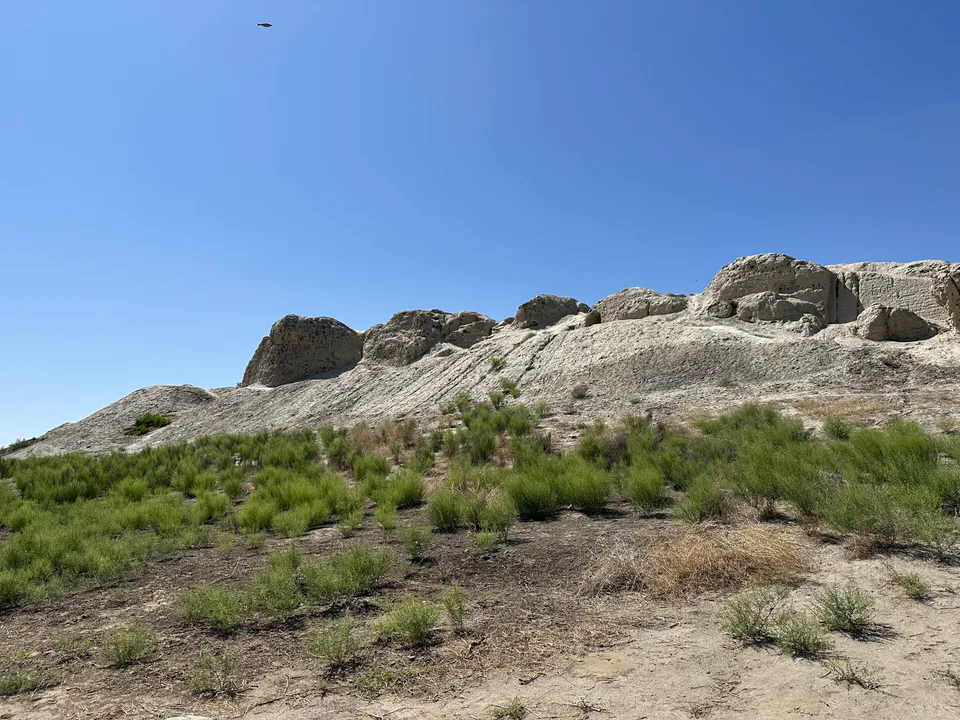
Archaeology · Jondor District
Varakhsha
Palace of the Bukhar Khudahs and its murals
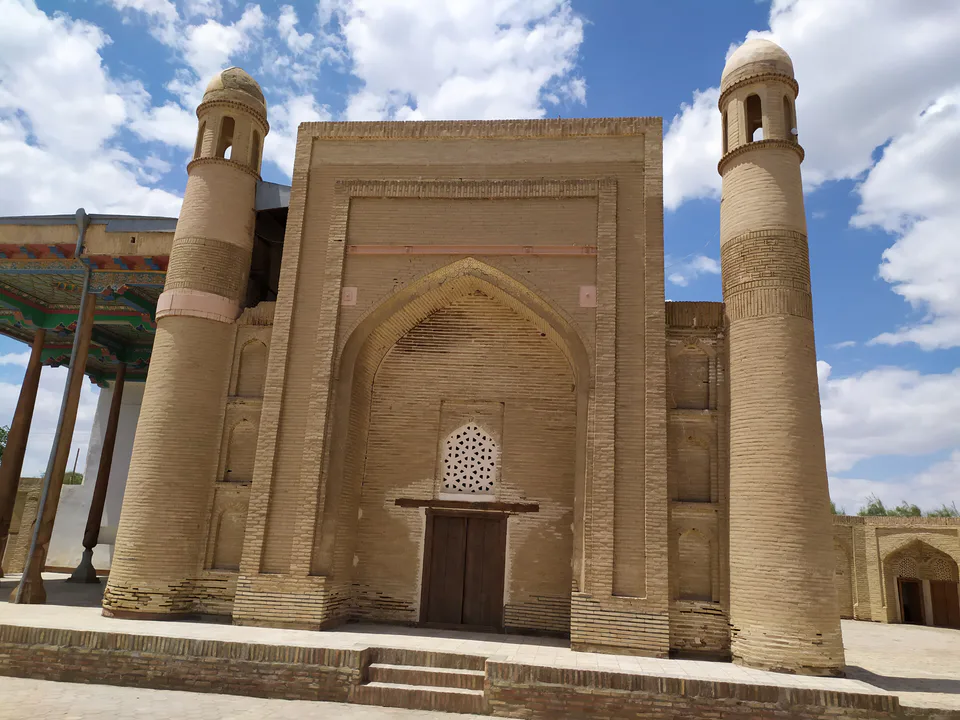
Pilgrimage site · Jondor District
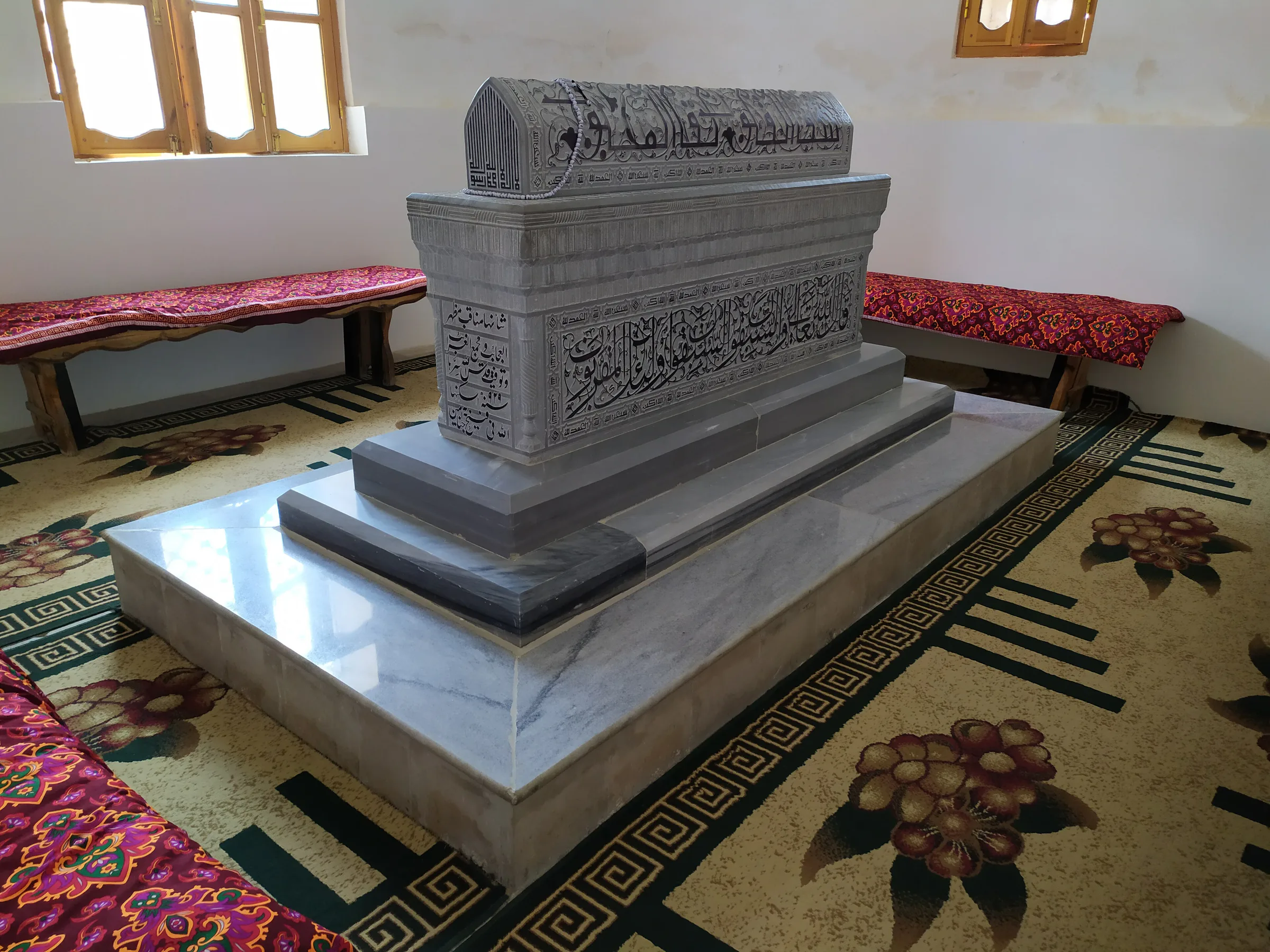
This 16th–18th-century complex in Jondor District grew up around the grave of the Sufi saint Agha-yi Buzurg, known as Qizbibi, who died in 1523. Women come here to pray for healing.
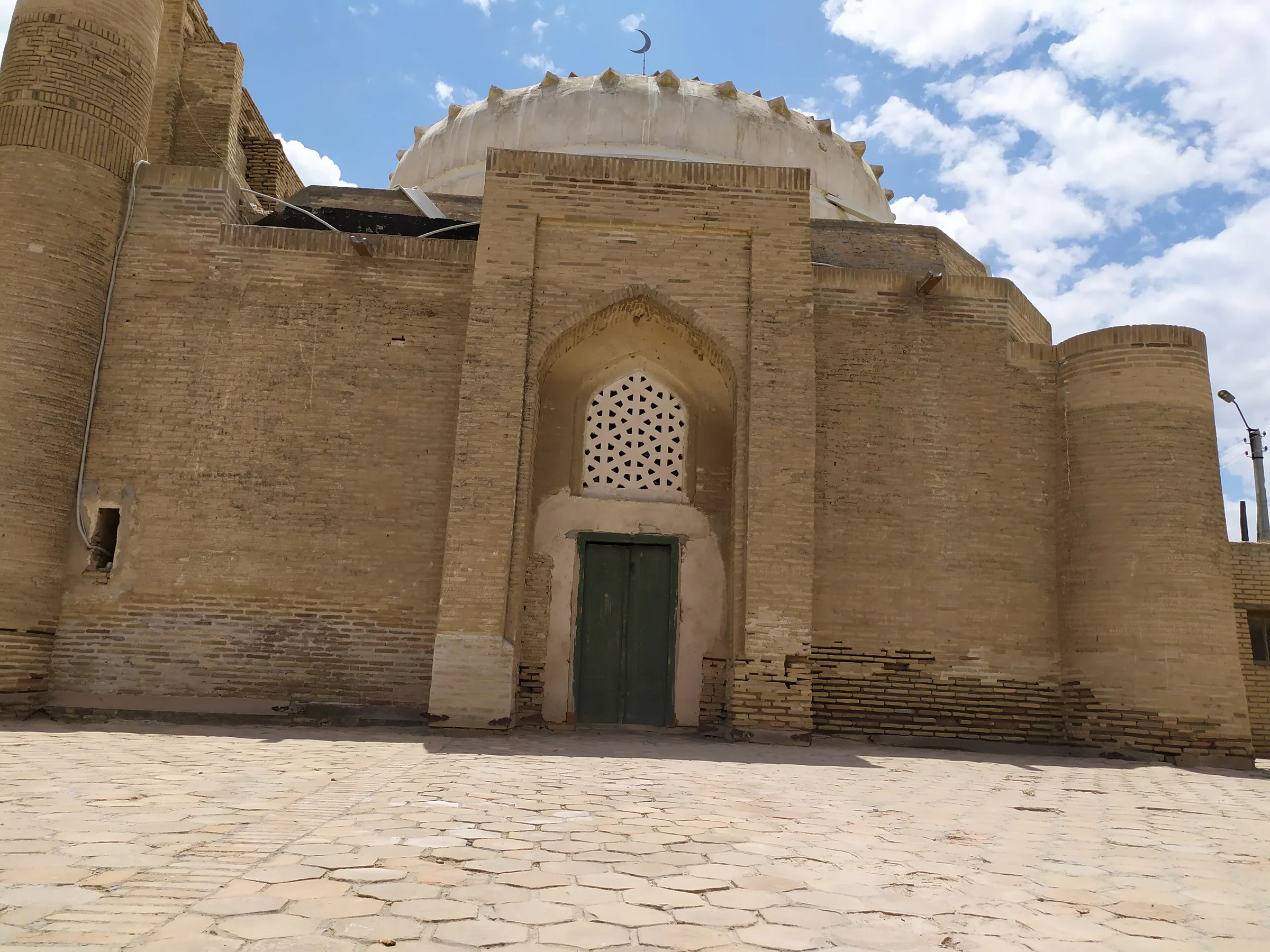
The oldest part of the necropolis is the grave of Agha-yi Buzurg, a revered Sufi woman descended from the Prophet, who died in 1523; locals call her Qizbibi and Bibi Makhsumai Pok. Her life was studied in detail in the 21st century by the researcher Gulnora Aminova. The main buildings went up under the Shaybanids and Ashtarkhanids in the 16th to 18th centuries, and the ensemble was complete by the 18th.
Covering about half a hectare, the complex includes a mausoleum with a marble tombstone, a mosque-khanqah, a chillakhona — an underground cell for forty-day fasts and solitary prayer — a kitchen, a bathhouse, pilgrims' cells and rooms where the mentally ill were cared for. The buildings surround two courtyards entered through a domed gatehouse.
Archaeology · Jondor District
Palace of the Bukhar Khudahs and its murals
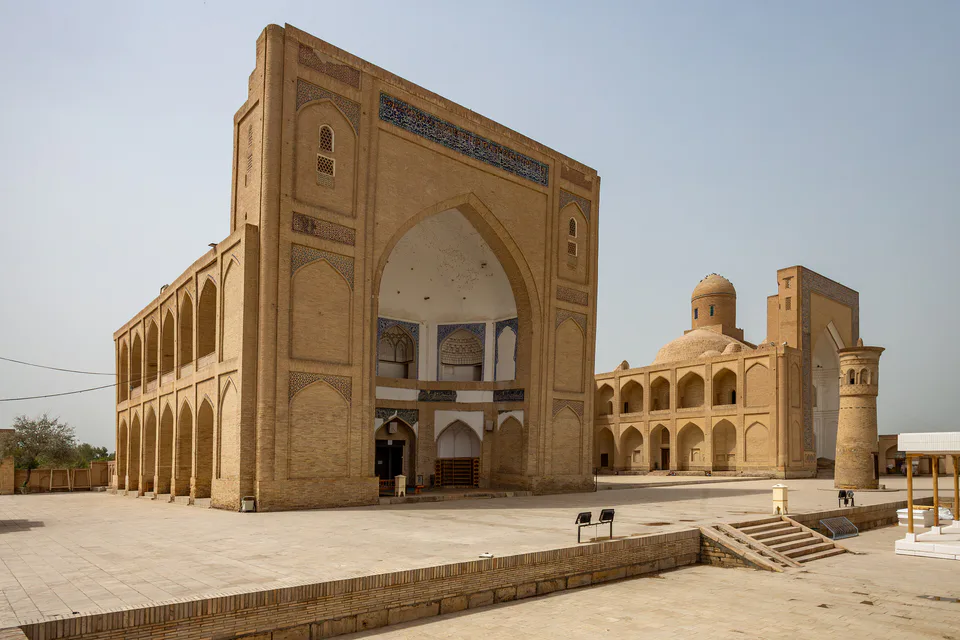
Ensemble · Bukhara District
The 'City of the Dead' of the Juybari sheikhs
Pilgrimage site · Romitan District
The pir who foretold Bahauddin Naqshband’s birth
Pilgrimage site · Romitan District
Hazrati Azizon, the weaver saint
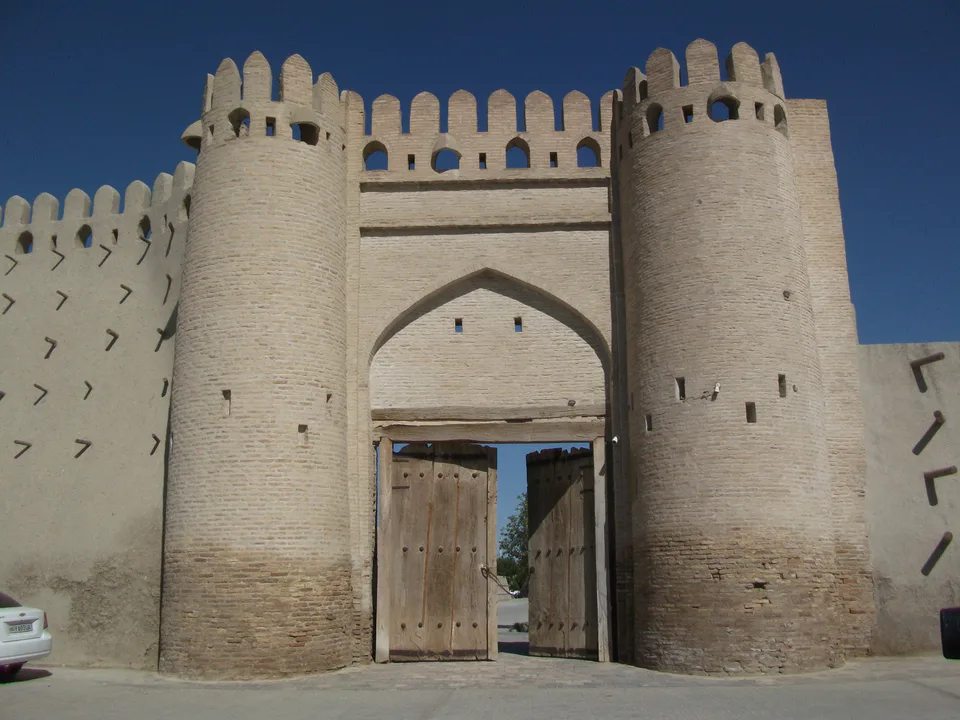
Fortress · Bukhara city
A surviving gate in Bukhara's city wall
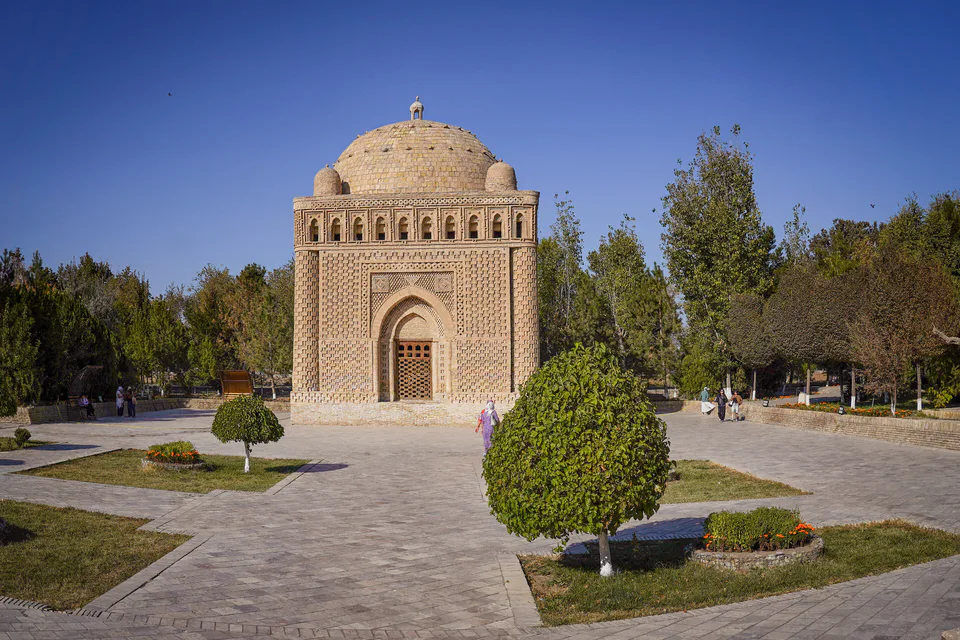
Mausoleum · Bukhara city
A brick masterpiece more than a thousand years old
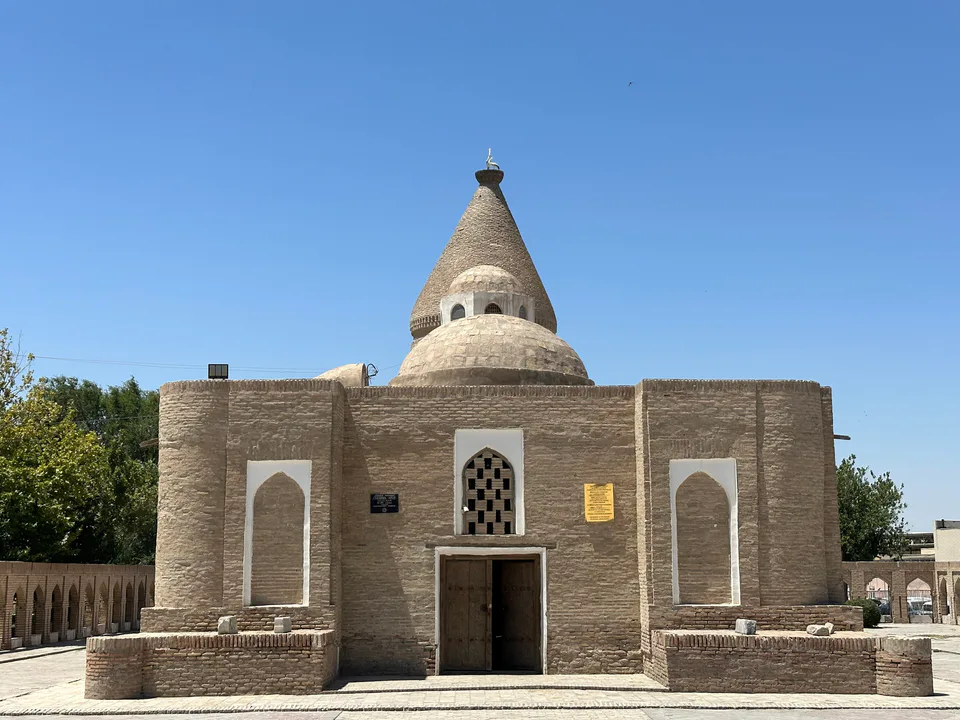
Pilgrimage site · Bukhara city
A mysterious building over the Prophet Job's spring
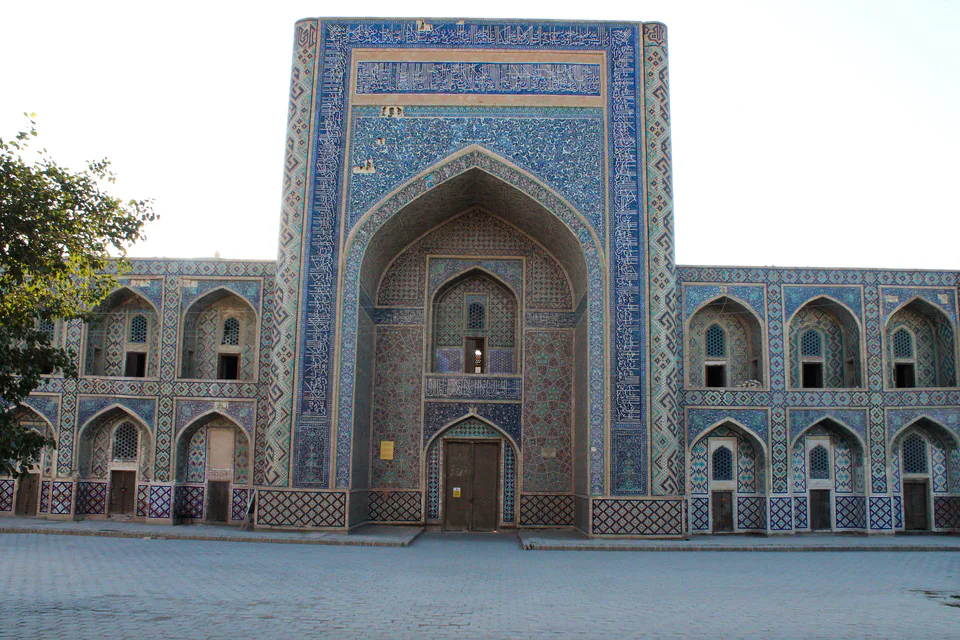
Madrasa · Bukhara city
Two madrasas — for a khan and his mother — face to face
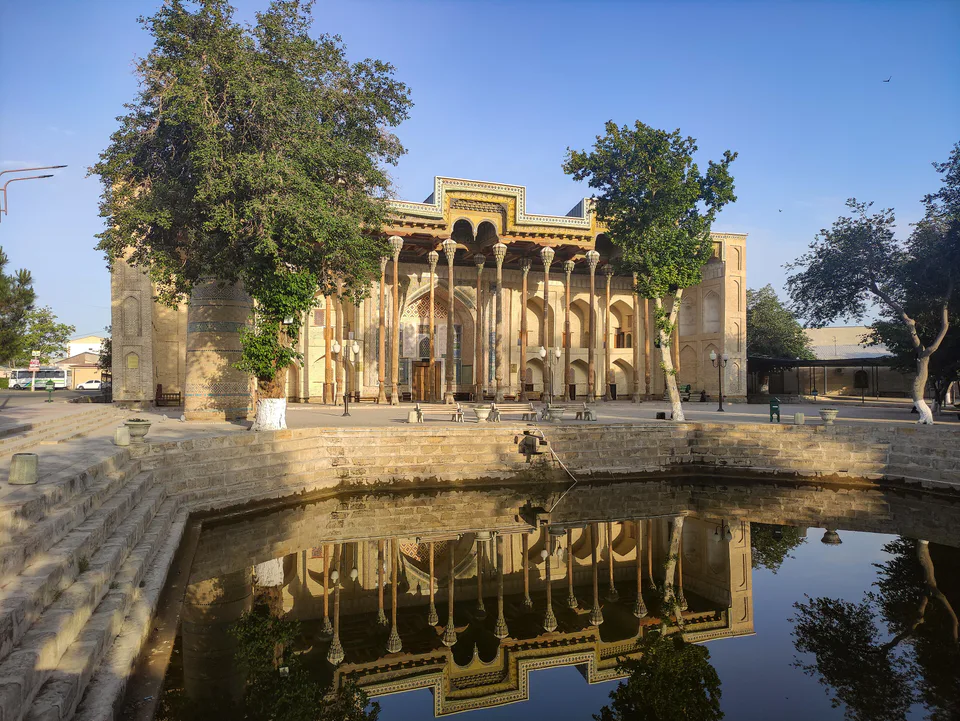
Mosque · Bukhara city
Wooden columns mirrored in a pool
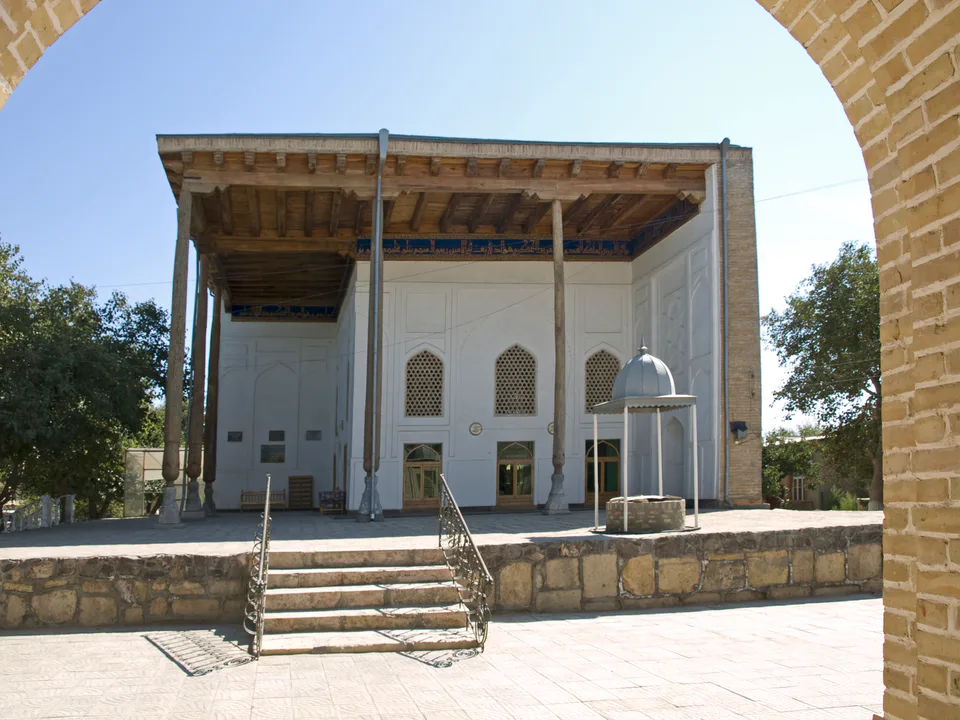
Mosque · Bukhara city
A small neighbourhood mosque with gilded paintwork