Culture & arts · Kogon city
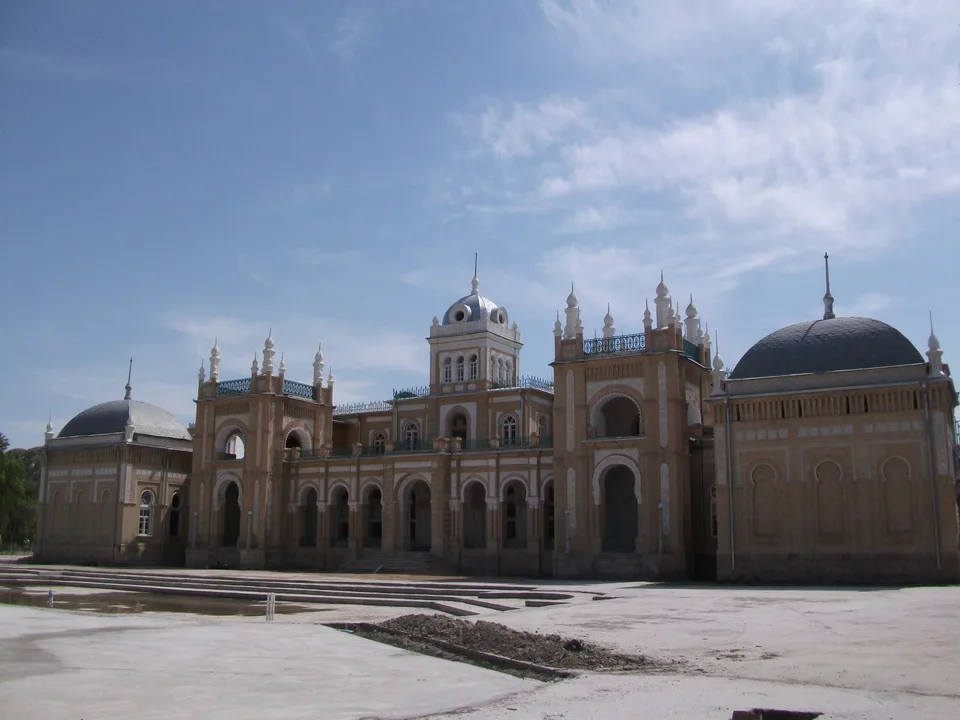
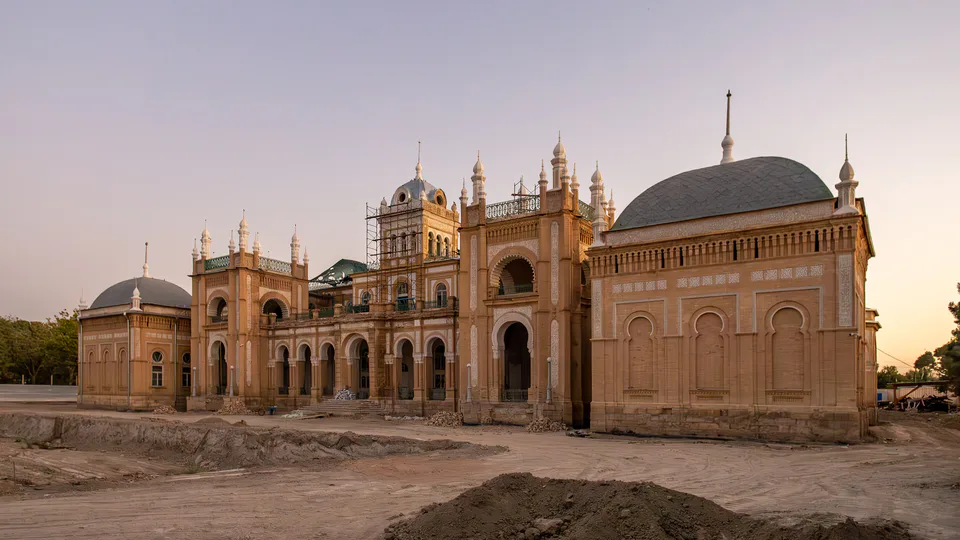
Emir's Palace in Kogon
A neo-Moorish palace in New Bukhara
city · Bukhara Region
Kogon, 12 km south-east of Bukhara, grew up around a railway station in the late 19th century as 'New Bukhara' and is now the region's main rail hub.
Kogon grew up in 1888 around the Bukhara station of the Trans-Caspian Railway and was called New Bukhara until 1935. It lies on the Bukhara–Karshi road on a plain 220 m above sea level. The region's largest railway station and its only passenger terminal are here, so travellers arriving in Bukhara by train get off in Kogon. Kogon lies inside the remains of the ancient Kampir Devor wall and takes its water from the Hargush canal.
From the Russian imperial era survive the neo-Moorish Emir's Palace built for Abdulahad Khan in 1895–1898, the former Russian political agency building and the Church of St Nicholas. On 1 January 2026 the city had 66,100 residents; historically most of them worked on the railway.
Kogon city
Kogon city
Airport, railway station and bus stations — addresses, timetables and the live board.
All transportBukhara Nearest point: Bukhara, 12 km
12°clear sky
Weather: MET Norway
Kogon city
Khokimiyat, public service centre and other offices: addresses, phones, hours.
All offices (4)Khokimiyat
14 Bukhara Ave, Kogon
Read morePublic Service Centre
3 Amir Temur St, Kogon
Read more
city · Central Asia's living museum city
district · The oasis around the city
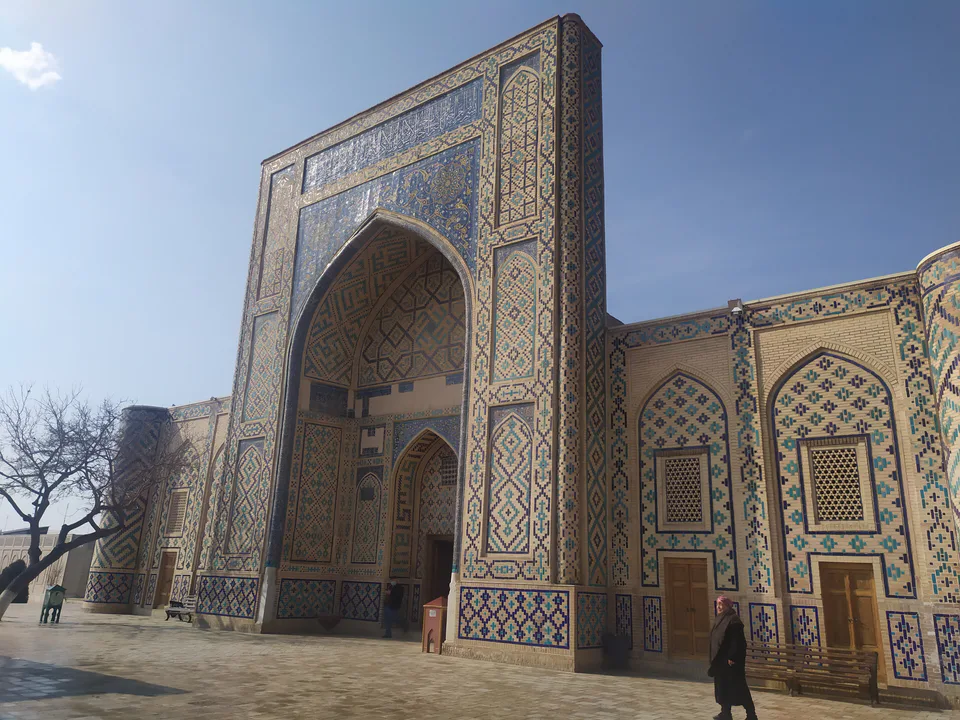
district · Land of potters and Sufis
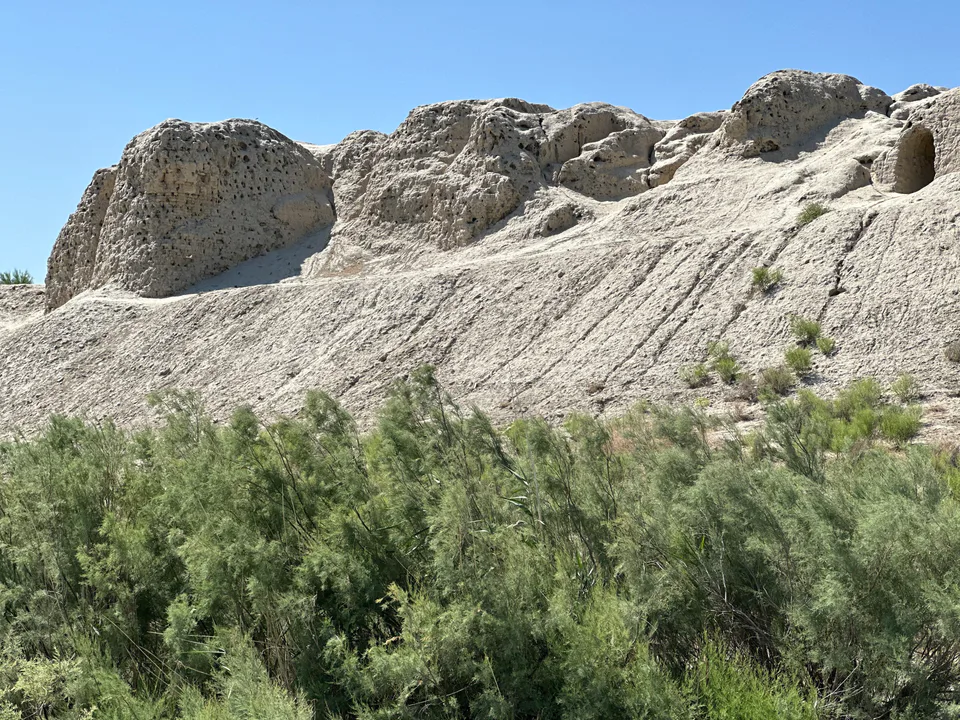
district · Home of Varakhsha and Qizbibi
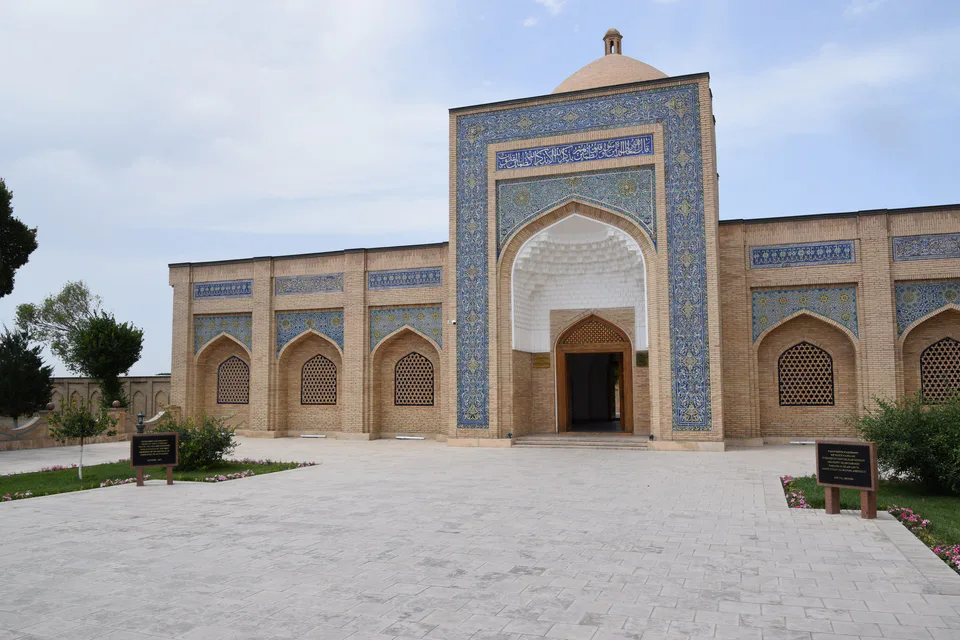
district · Home of the Bahauddin Naqshband shrine
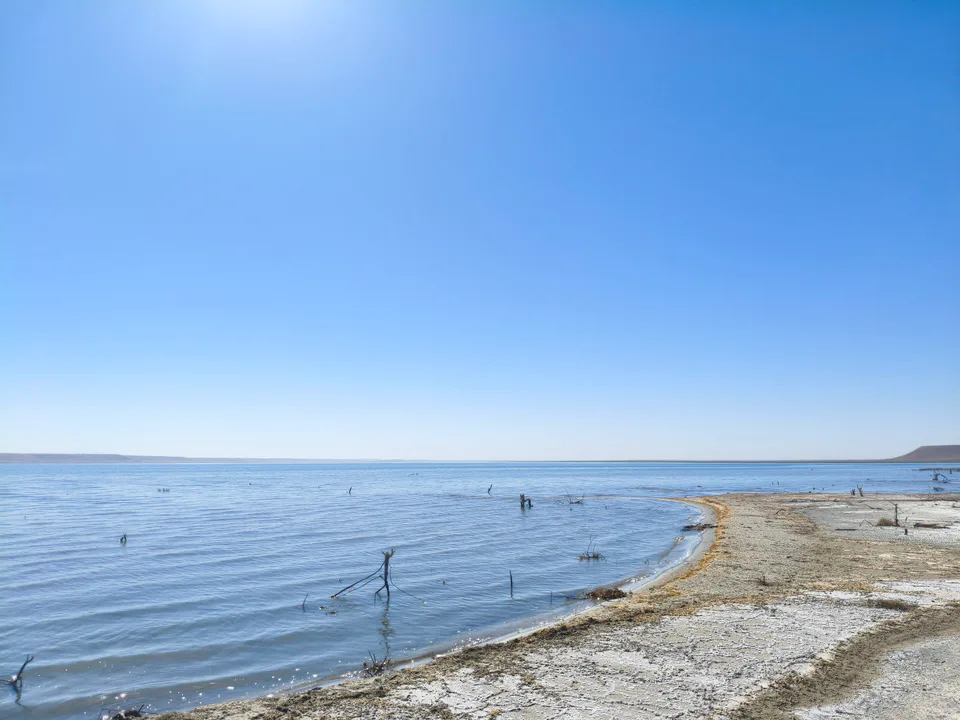
district · A border district on the Amu Darya
district · Avicenna's homeland
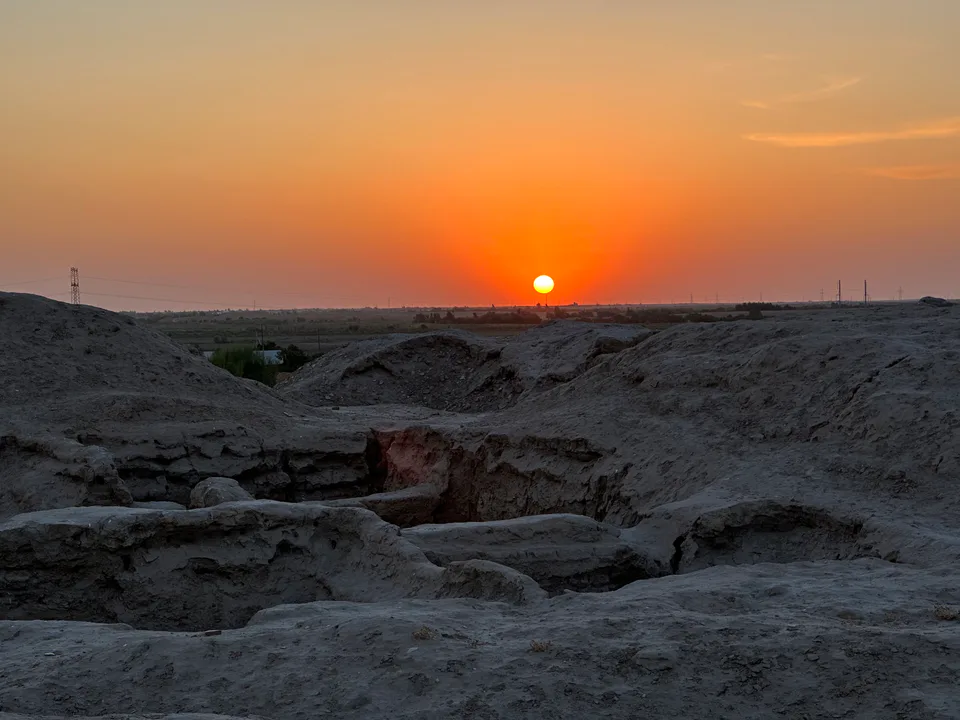
district · Home of Paykend and karakul sheep
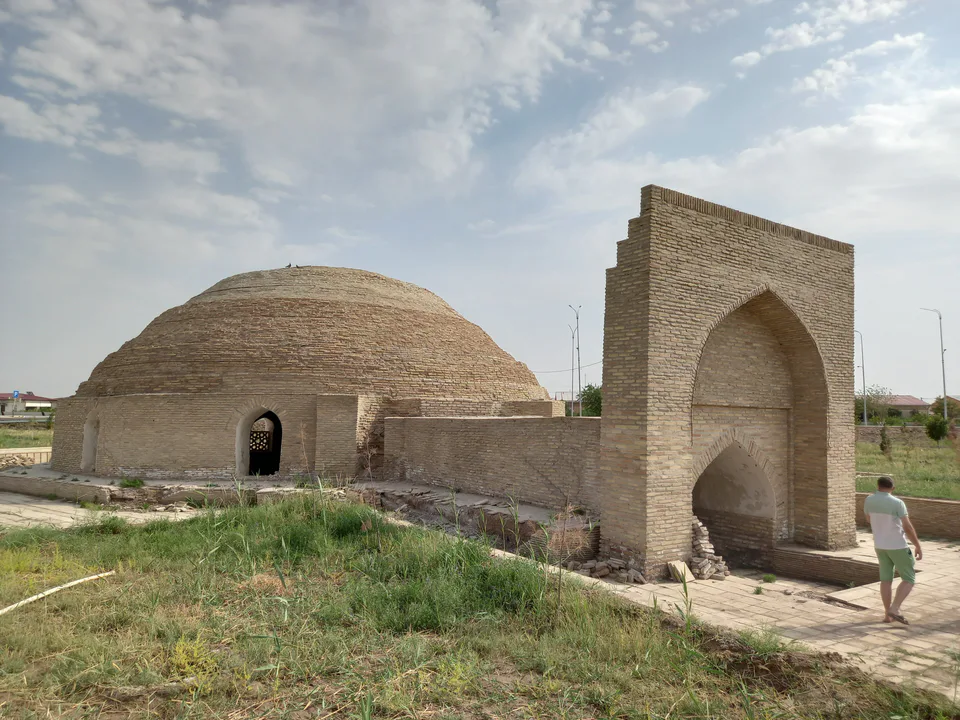
district · Oilmen's district with old cisterns
district · A fortress older than Bukhara, and the Gazli gas field
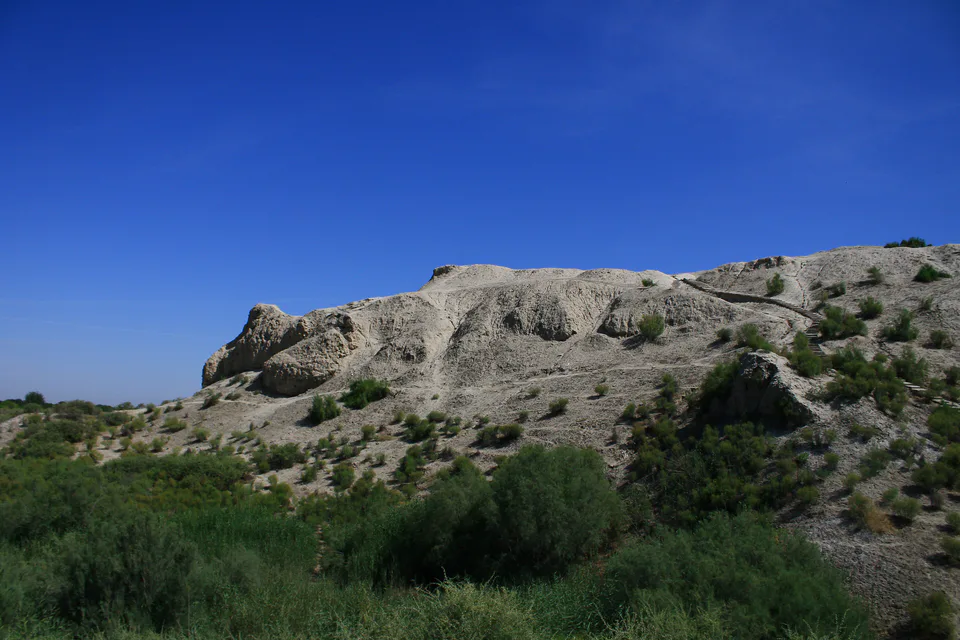
district · Home of Vardanze and Khoja Arif Revgari
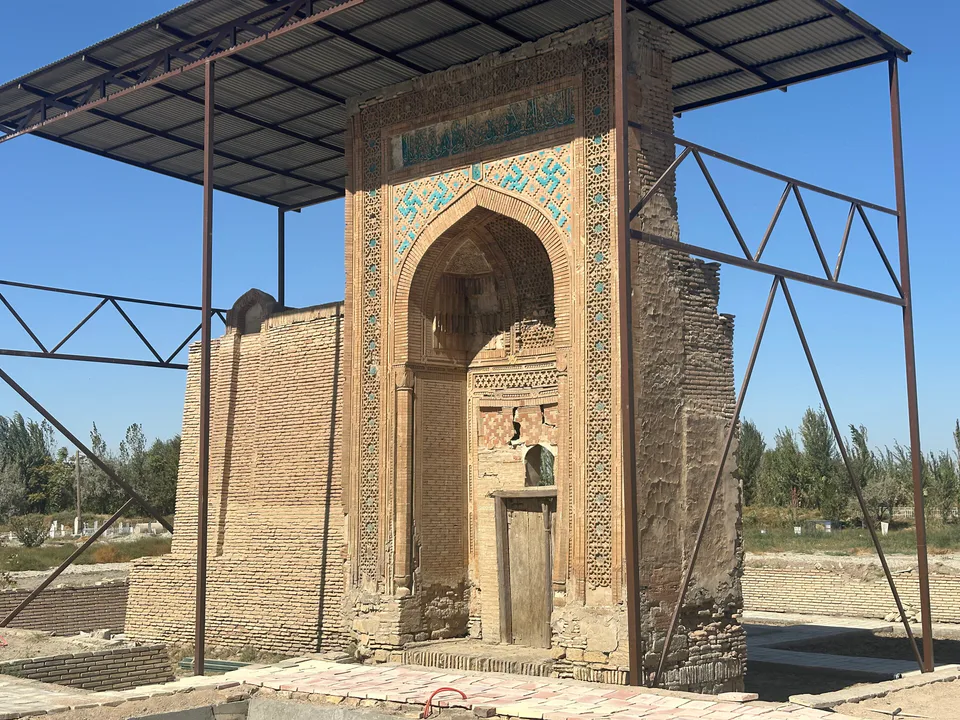
district · An old town with a 12th-century minaret