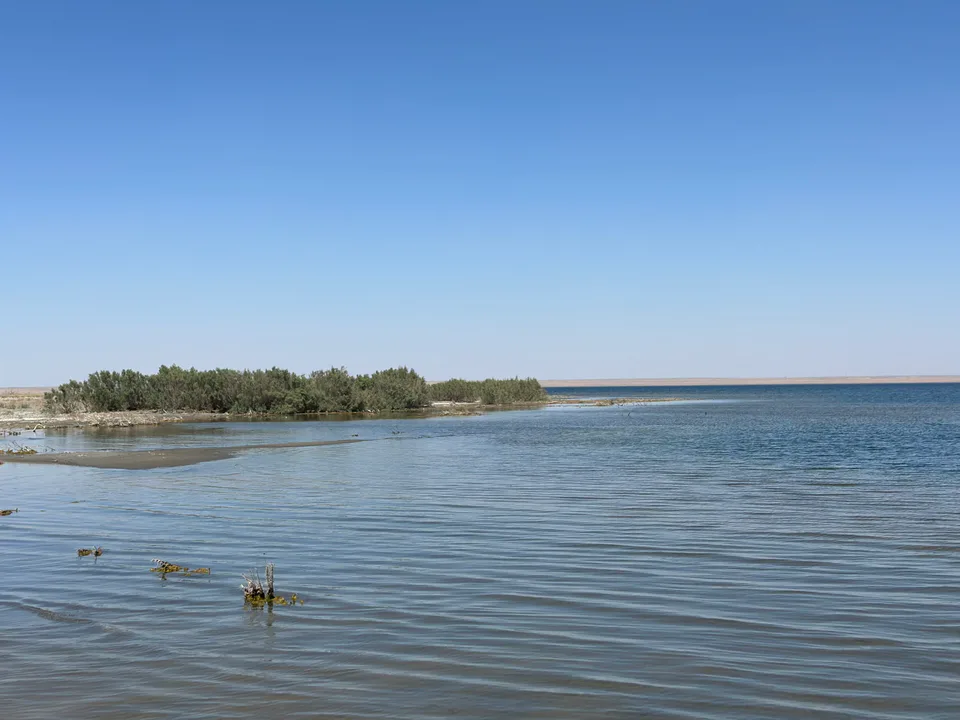
Nature · Olot District
Lake Dengizkul
The 'Bukhara Sea' — a salt lake where birds winter
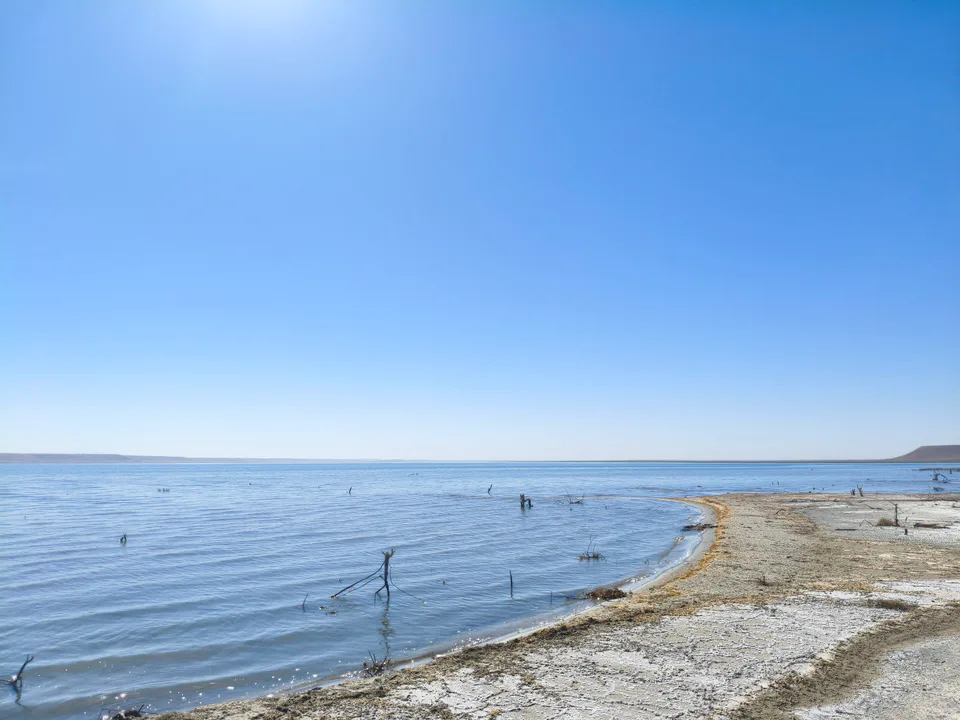
district · Bukhara Region
Olot District in the south-west of the region borders Turkmenistan along the Amu Darya and is home to Lake Dengizkul and wildlife sanctuaries.
Olot District was formed on 13 February 1943 from five village councils of Qorakoʻl District and was later merged back into it and separated again more than once. It borders Qashqadaryo Region to the south-east, Turkmenistan's Lebap Province across the Amu Darya to the south-west, and Jondor, Qorakoʻl, Bukhara and Qorovulbozor districts to the north. Its centre is the town of Olot.
In the south lie Lake Dengizkul, a Ramsar wetland where pelicans live and white-headed ducks winter, and the Dengizkul and Qumsulton sanctuaries. Most people work in farming and livestock. The district centre, Olot, lies about 65 km south-west of Bukhara. Besides the town the district has eight urban-type settlements and a number of rural communities; a special permit may be needed to visit the border zone along the Amu Darya. On 1 January 2026 the district had 107,300 residents.
Olot District
Olot District
Airport, railway station and bus stations — addresses, timetables and the live board.
All transportBukhara Nearest point: Bukhara, 66 km
13°fair
Weather: MET Norway
Olot District
Khokimiyat, public service centre and other offices: addresses, phones, hours.
All offices (4)Khokimiyat
73 Olot St, Olot District
Read morePublic Service Centre
52 Dustlik St, Olot District
Read more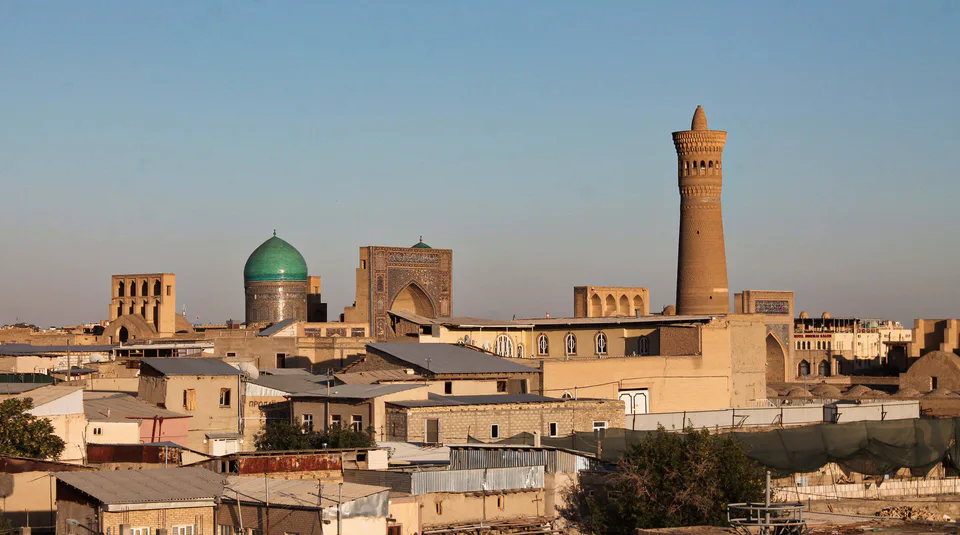
city · Central Asia's living museum city
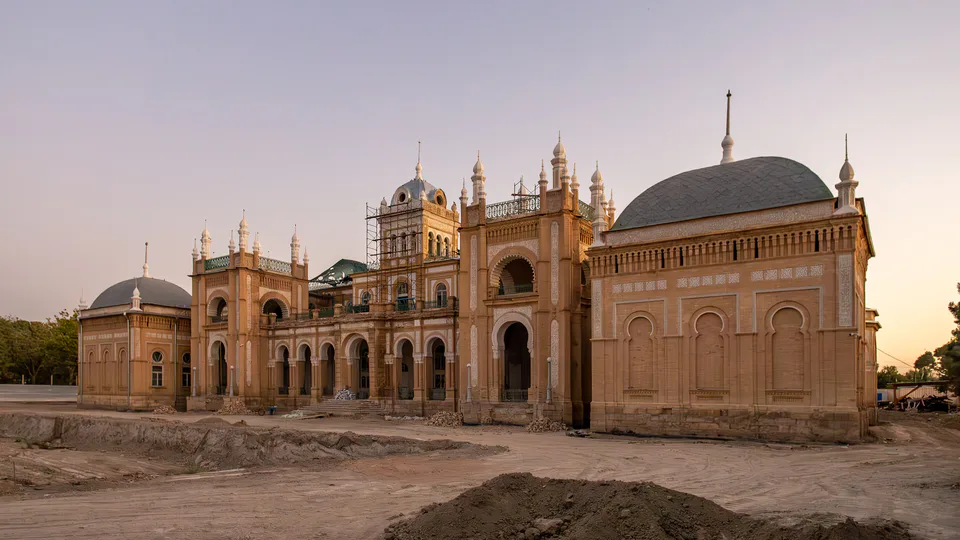
city · 'New Bukhara', born of the railway
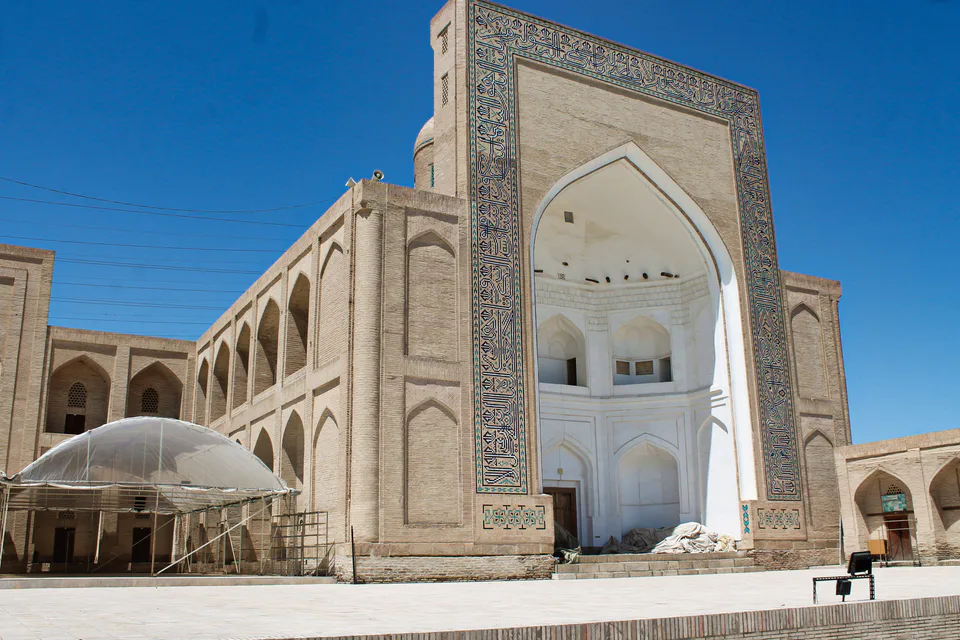
district · The oasis around the city
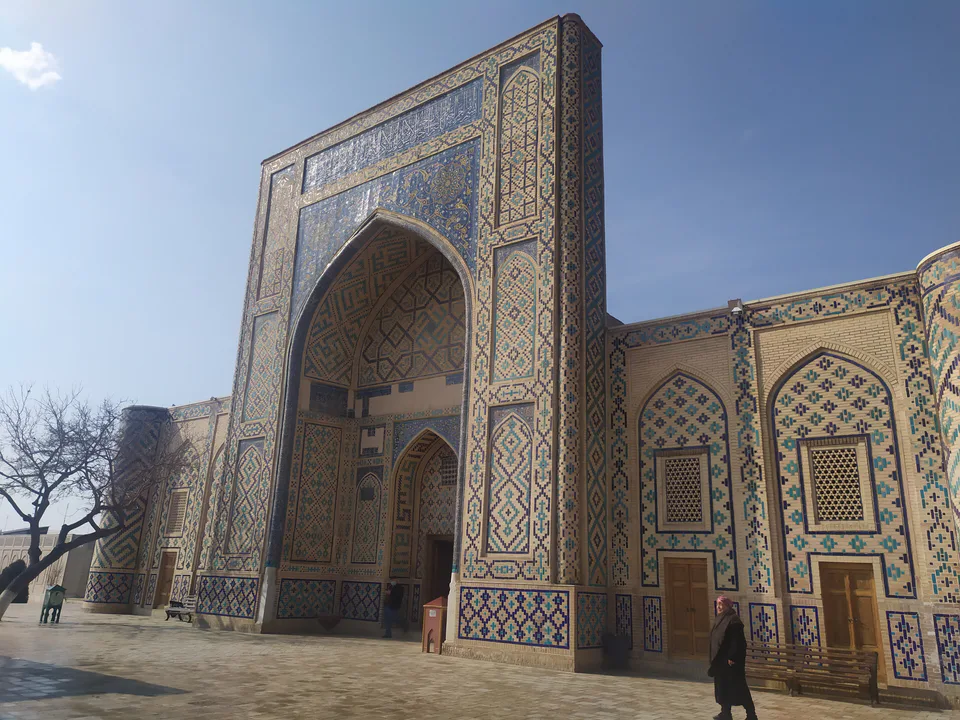
district · Land of potters and Sufis
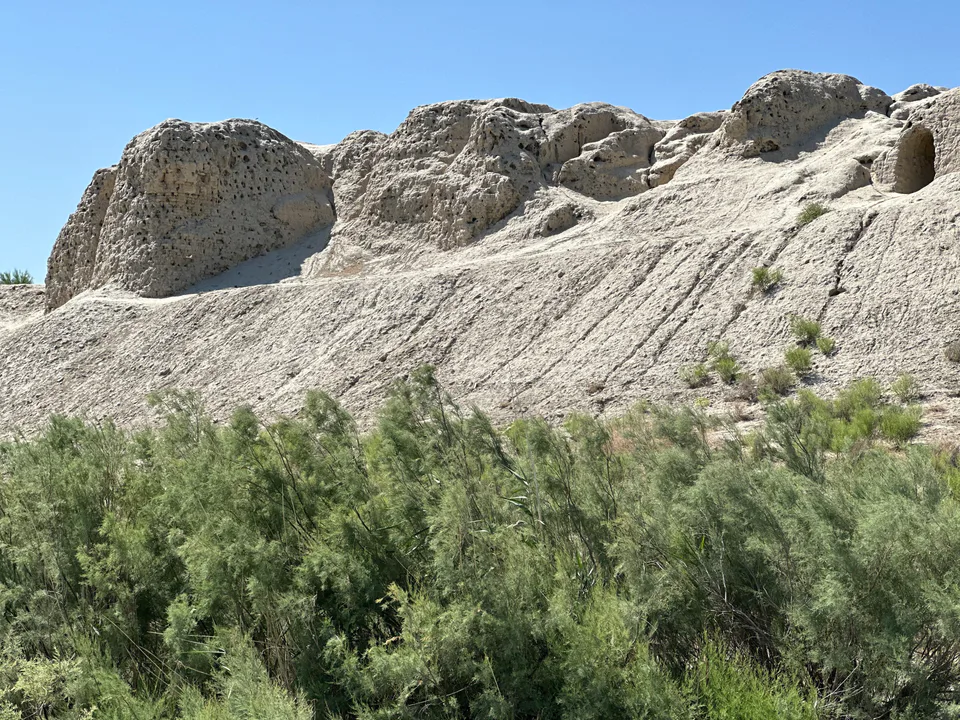
district · Home of Varakhsha and Qizbibi
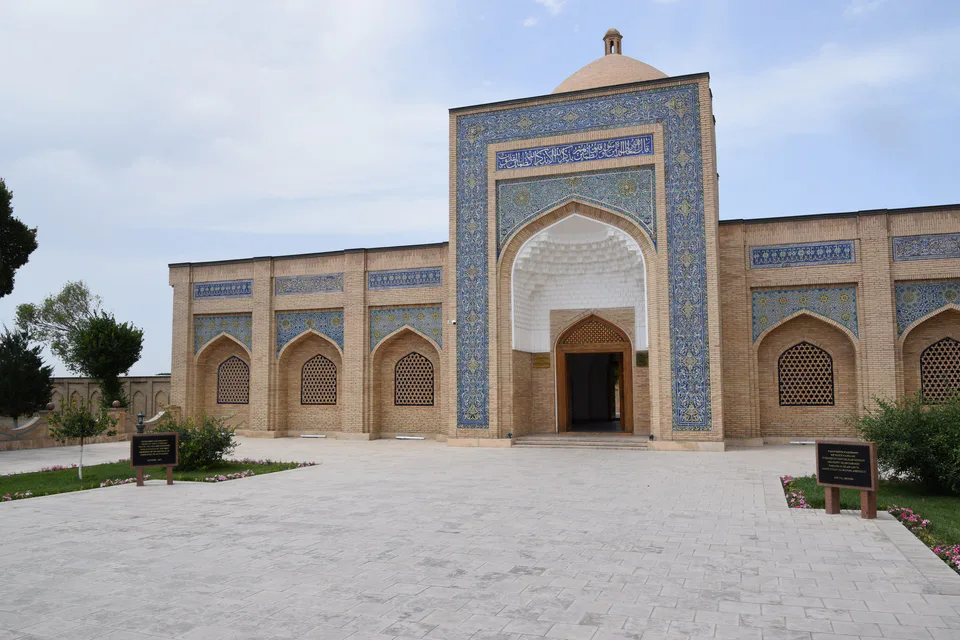
district · Home of the Bahauddin Naqshband shrine
district · Avicenna's homeland
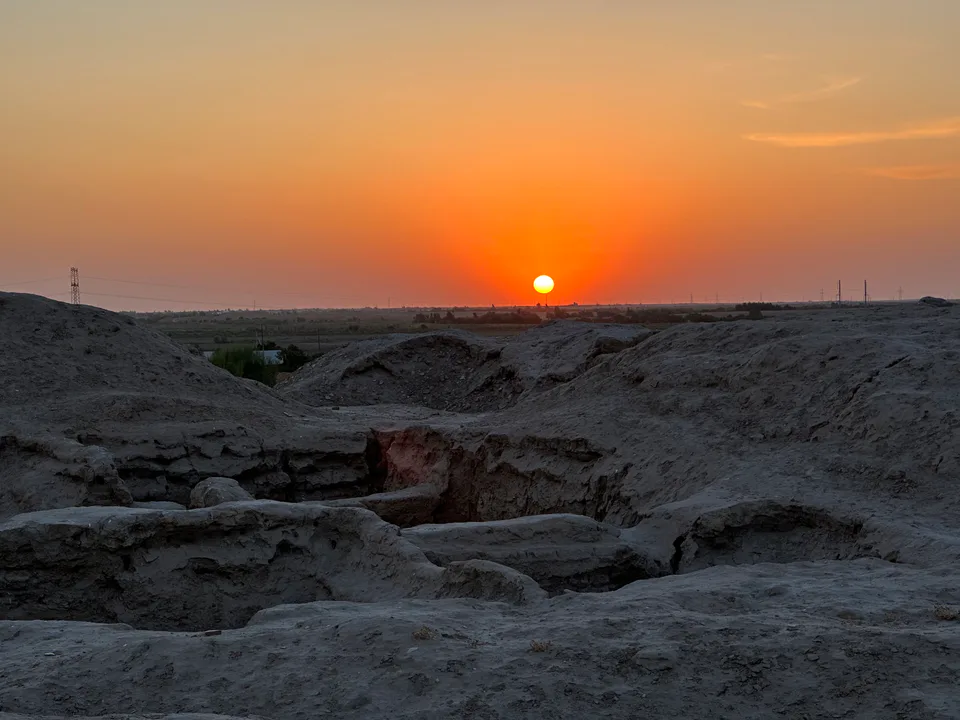
district · Home of Paykend and karakul sheep
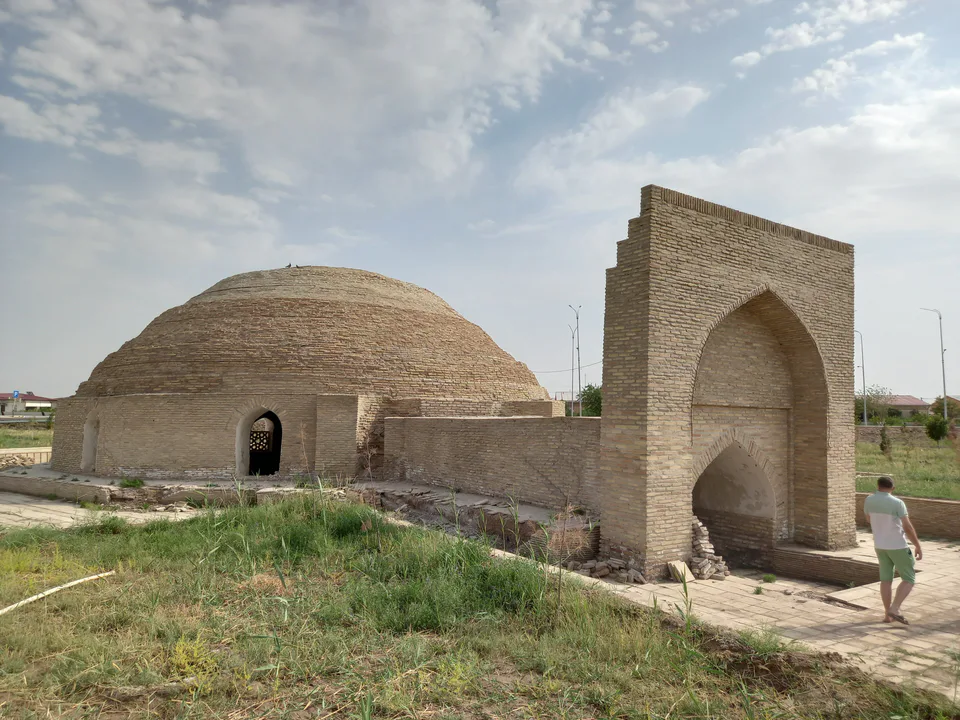
district · Oilmen's district with old cisterns
district · A fortress older than Bukhara, and the Gazli gas field
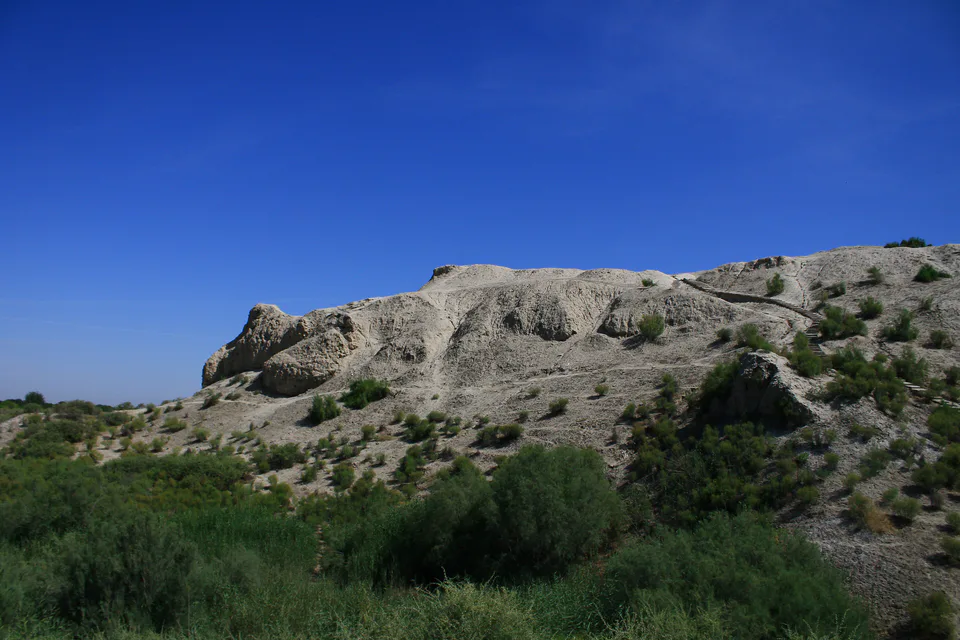
district · Home of Vardanze and Khoja Arif Revgari
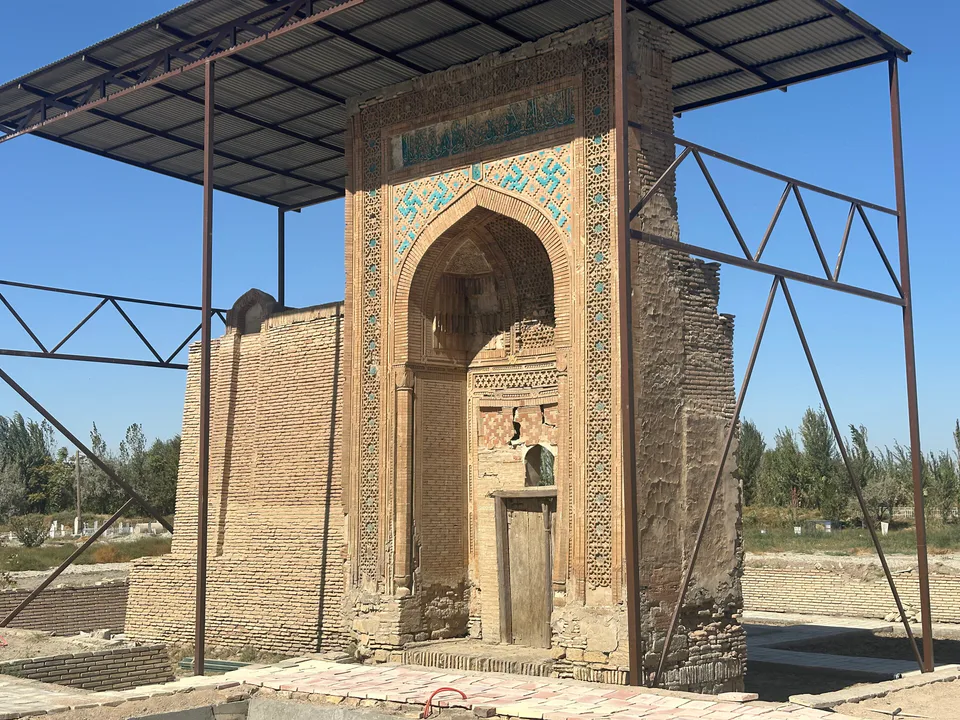
district · An old town with a 12th-century minaret