Pilgrimage site · Kogon District
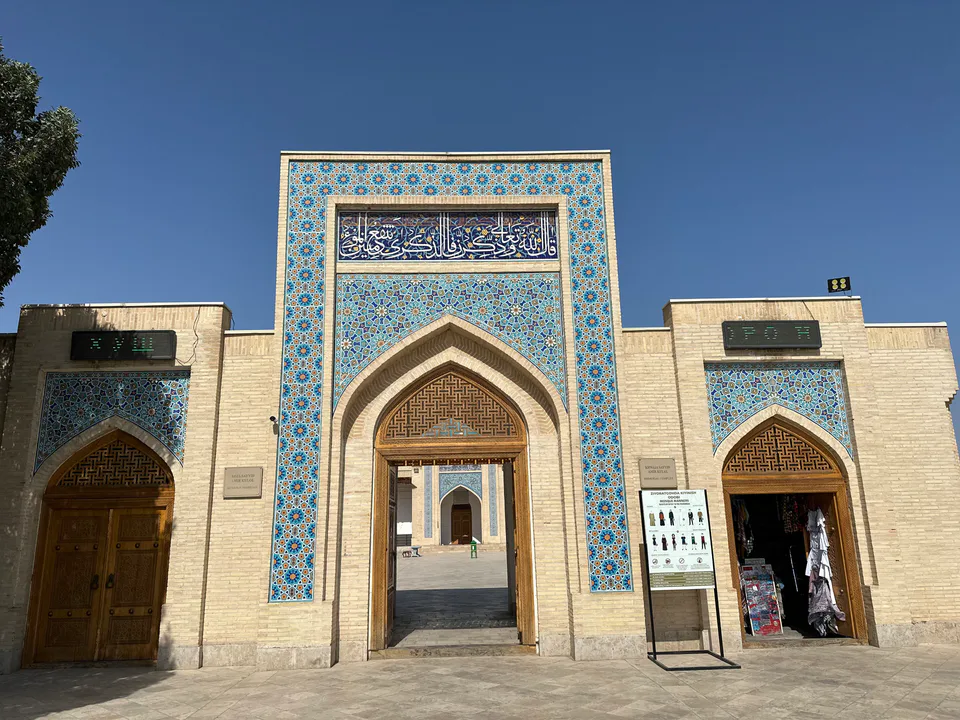
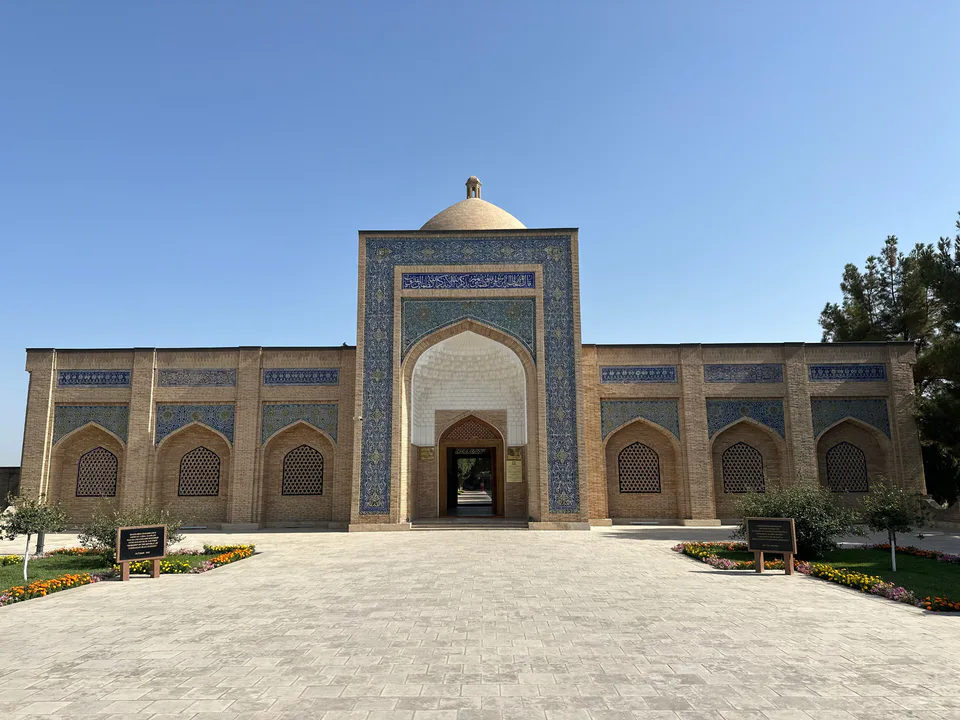
Bahauddin Naqshband Complex
Shrine of the founder of the Naqshbandi order
district · Bukhara Region
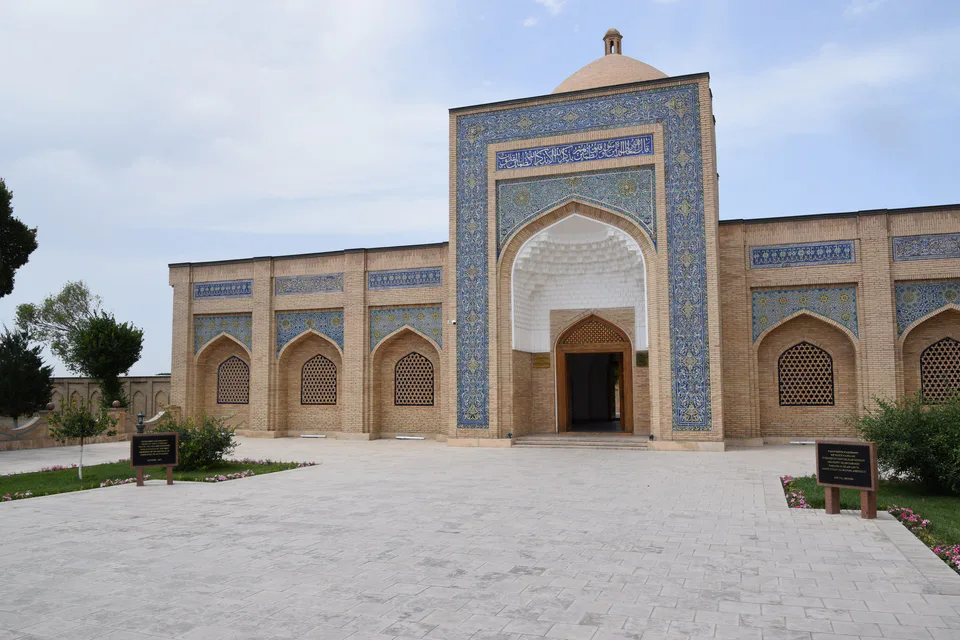
Kogon District east of Bukhara holds the shrines of Bahauddin Naqshband and Sayyid Amir Kulol — key stops on the pilgrimage of the 'seven saints'.
Kogon District was created on 29 September 1926, abolished in 1963 and restored in 1964. It borders Bukhara and Vobkent districts and Navoiy Region's Qiziltepa District. Its administrative centre is the city of Kogon, which is not itself part of the district. The land is flat, averaging 222 m above sea level. Its highest point is Olchin hill on the Quyimozor plateau (252 m). The Bahauddin Naqshband complex is about 10 km north-east of central Bukhara.
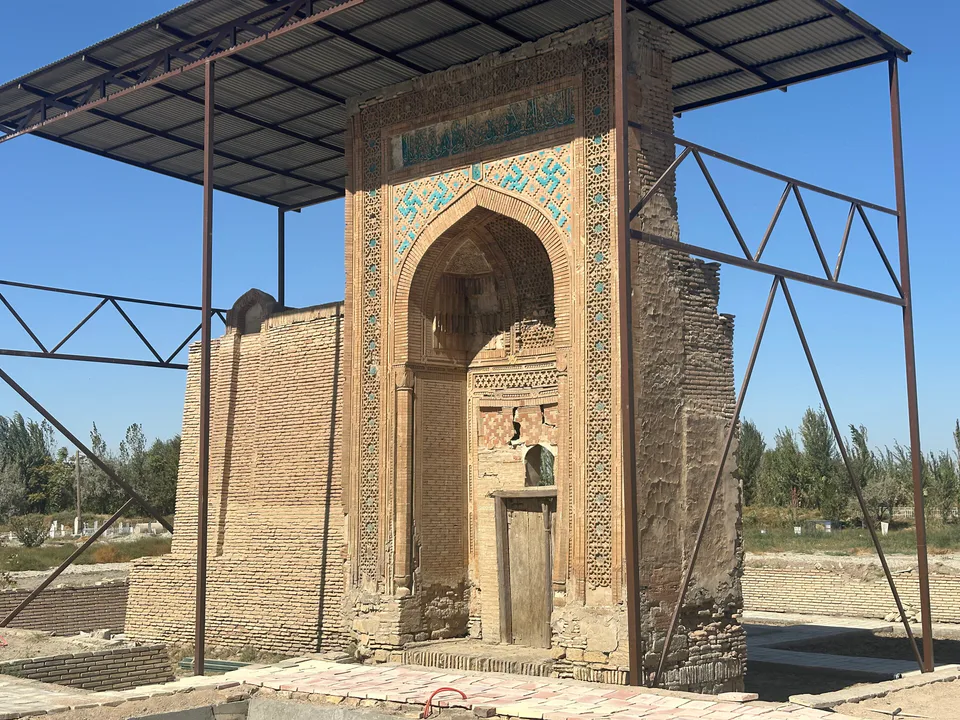
The district has 32 archaeological and 29 architectural monuments. The most famous are the complex of Bahauddin Naqshband, founder of the Naqshbandi order (part of a UNESCO site since 2023), the shrine of his teacher Sayyid Amir Kulol and the tomb of Khoja Kabul Akhbor Vali. On 1 January 2026 the district had 88,000 residents.
Kogon District
Airport, railway station and bus stations — addresses, timetables and the live board.
All transportBukhara Nearest point: Bukhara, 12 km
12°clear sky
Weather: MET Norway
Kogon District
Khokimiyat, public service centre and other offices: addresses, phones, hours.
All offices (4)Khokimiyat
No. 1, Niyoz hoji Mahalla, Kogon District
9:00–18:00
Read morePublic Service Centre
471 Istiqlol St, Kogon District
Read more
city · Central Asia's living museum city
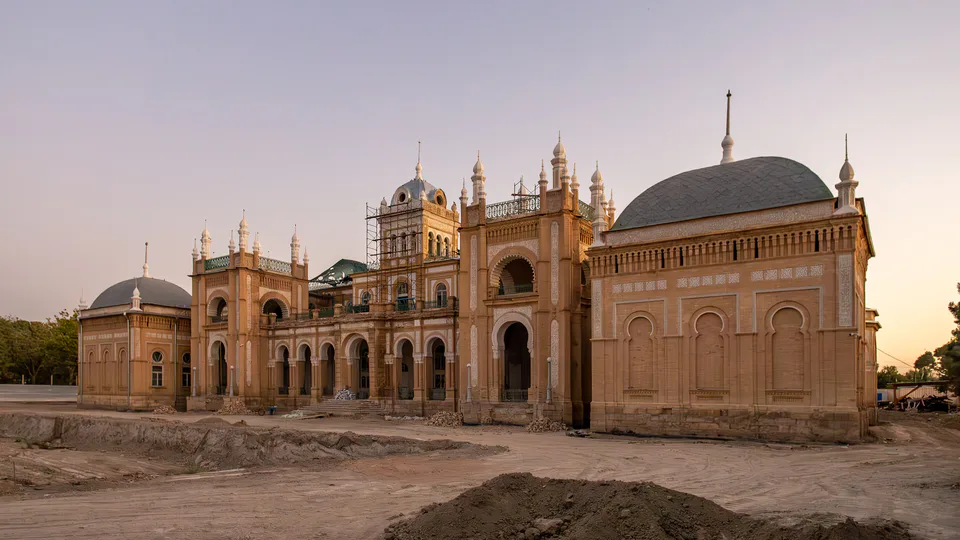
city · 'New Bukhara', born of the railway
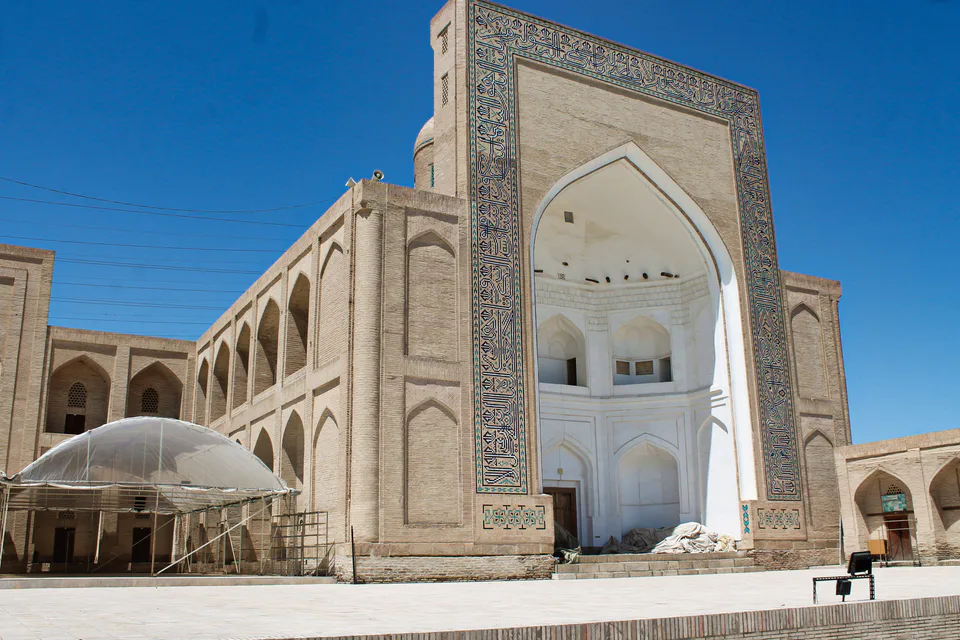
district · The oasis around the city
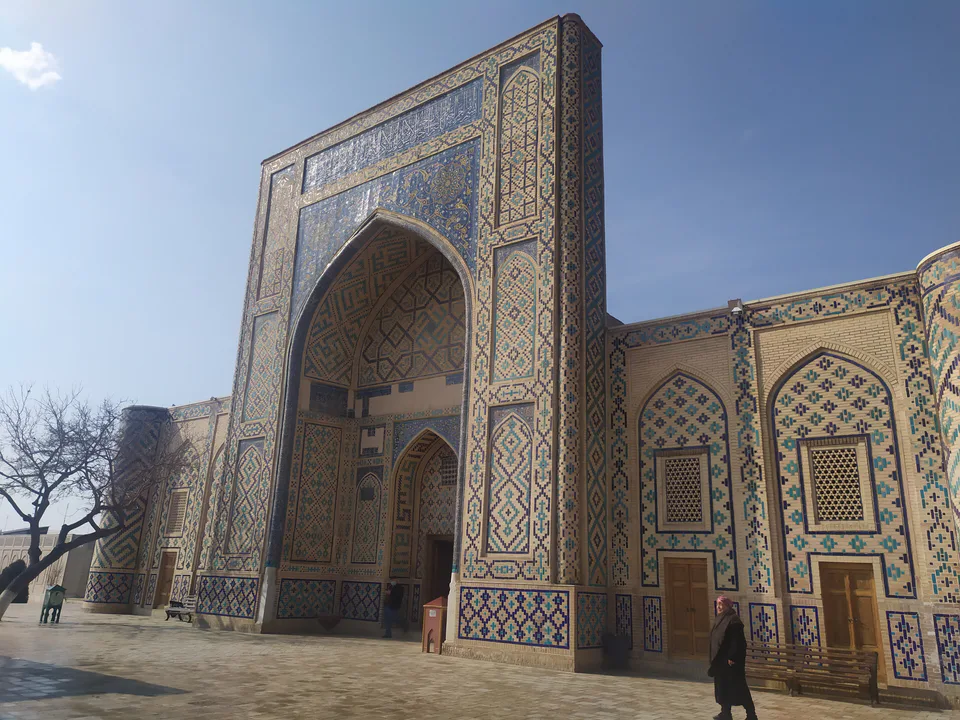
district · Land of potters and Sufis
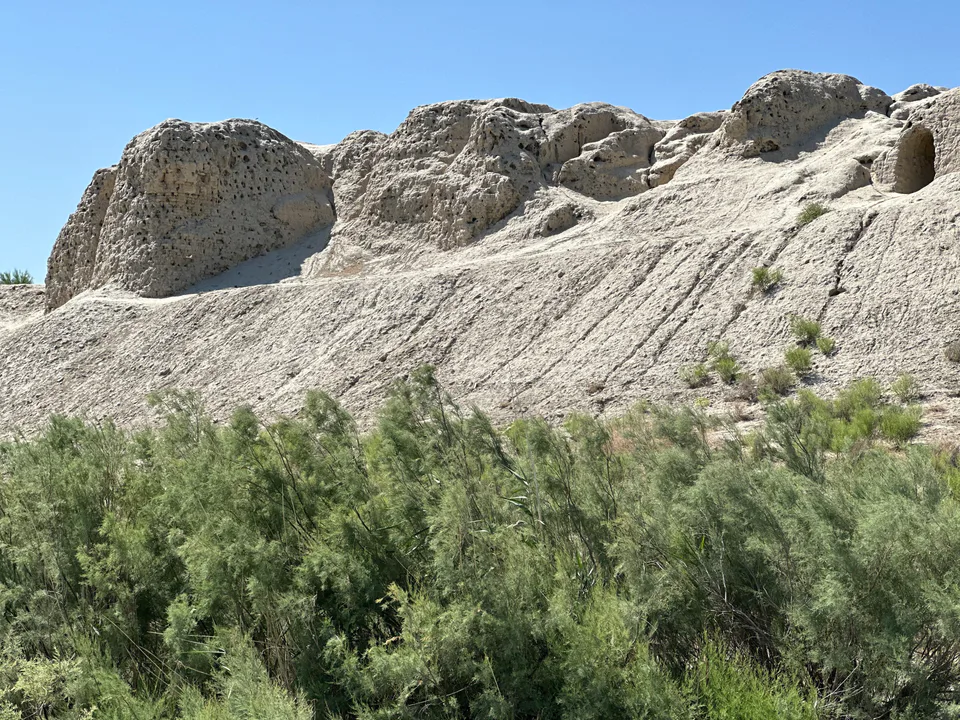
district · Home of Varakhsha and Qizbibi
district · A border district on the Amu Darya
district · Avicenna's homeland
district · Home of Paykend and karakul sheep
district · Oilmen's district with old cisterns
district · A fortress older than Bukhara, and the Gazli gas field
district · Home of Vardanze and Khoja Arif Revgari
district · An old town with a 12th-century minaret