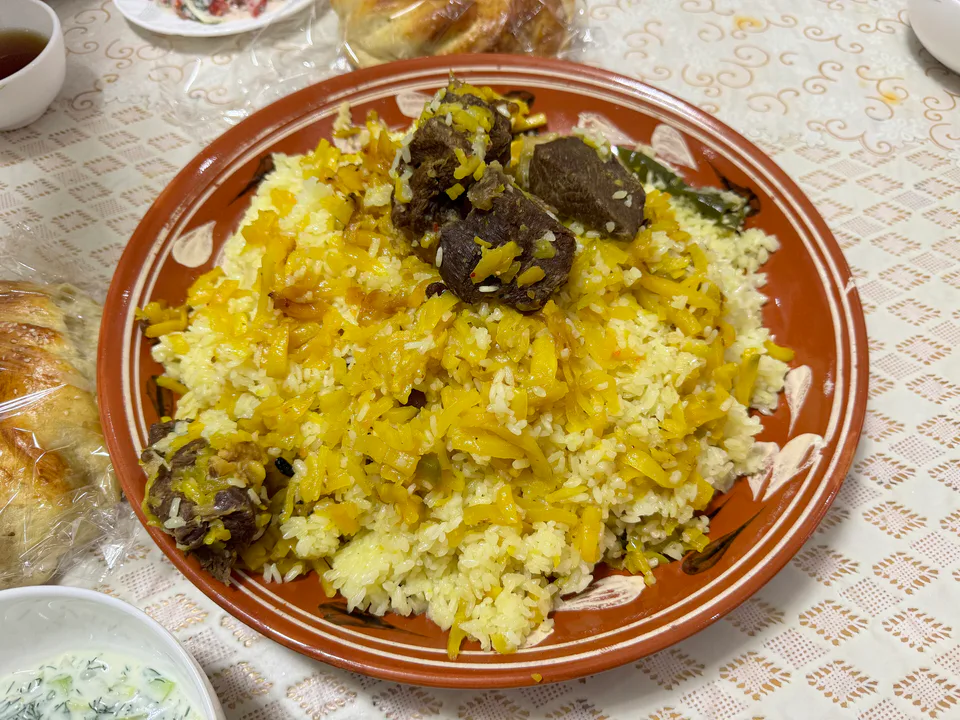
Dish · Nationwide
Plov (osh)
The centrepiece of any Uzbek meal: meat, onions and yellow carrots are cooked into a rich base in a kazan, then rice is steamed on top. UNESCO-listed since 2016.
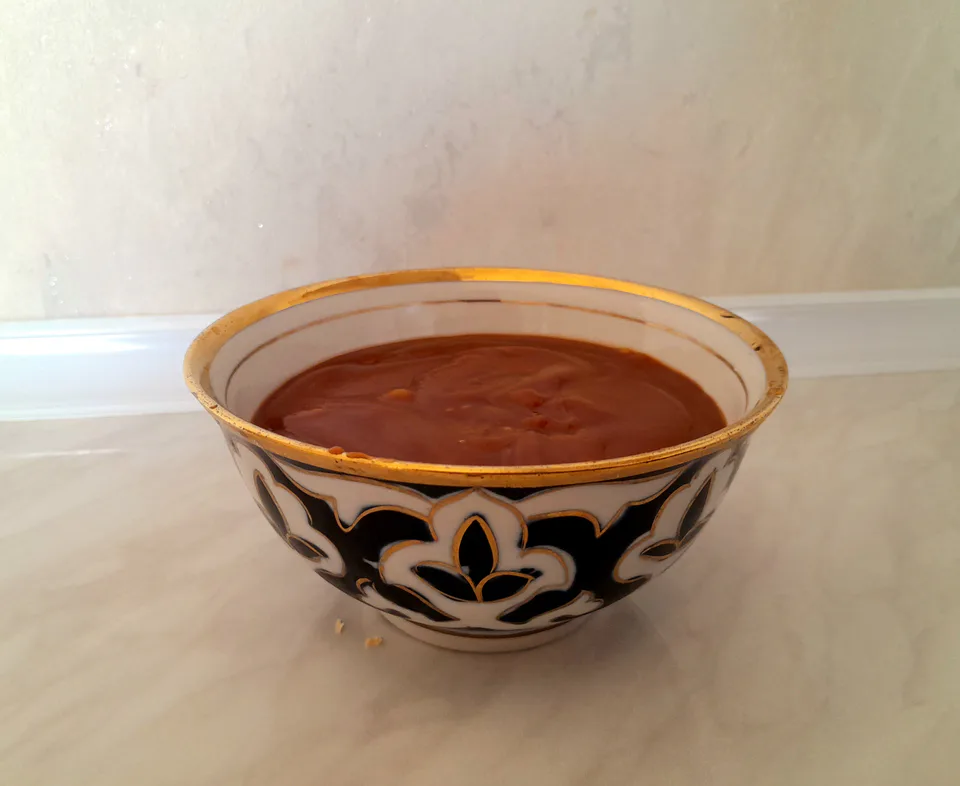
Dish · Nationwide
A thick, sweet paste of sprouted-wheat juice and flour stirred all night in a kazan — the defining taste of Navruz, made without any sugar.
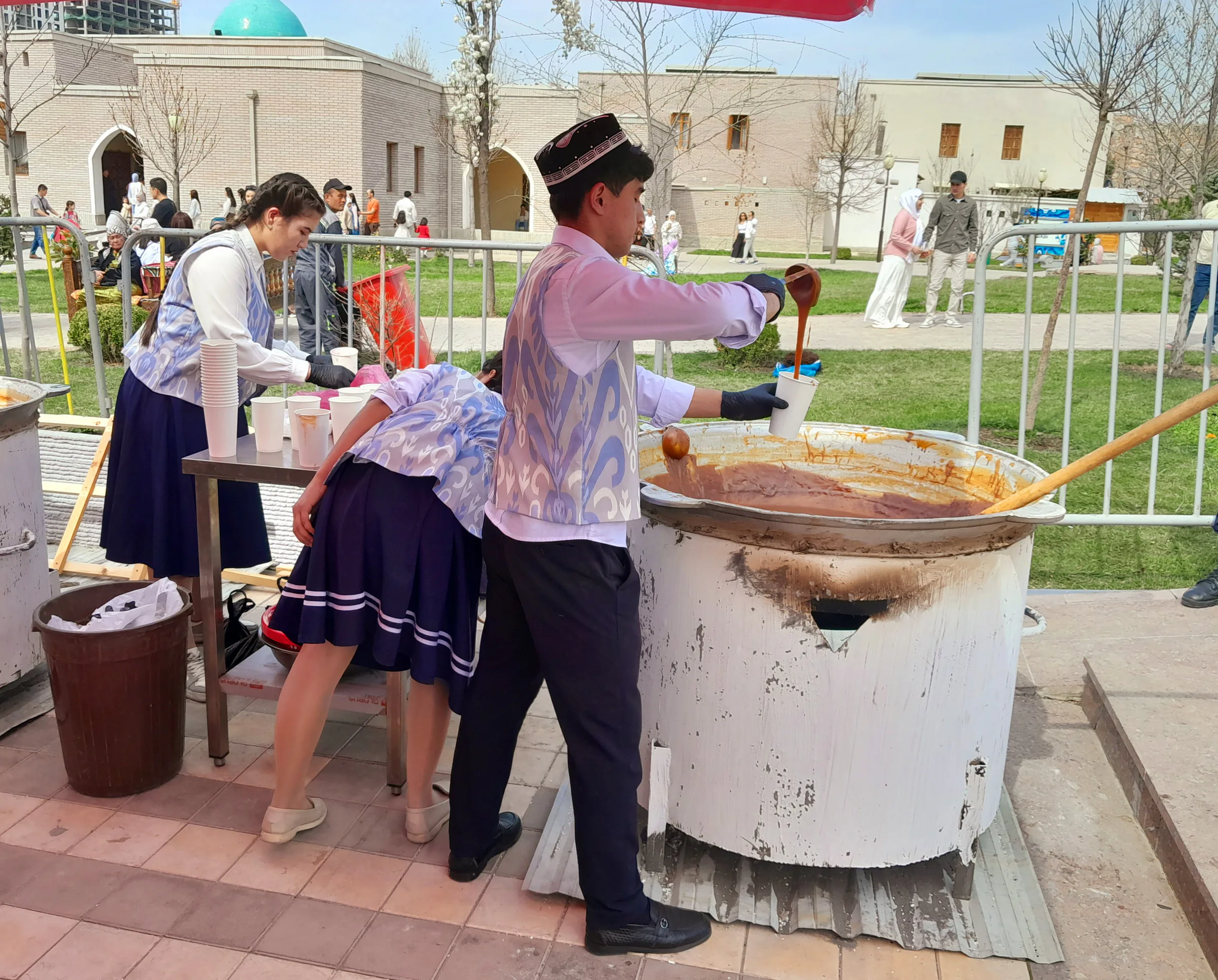
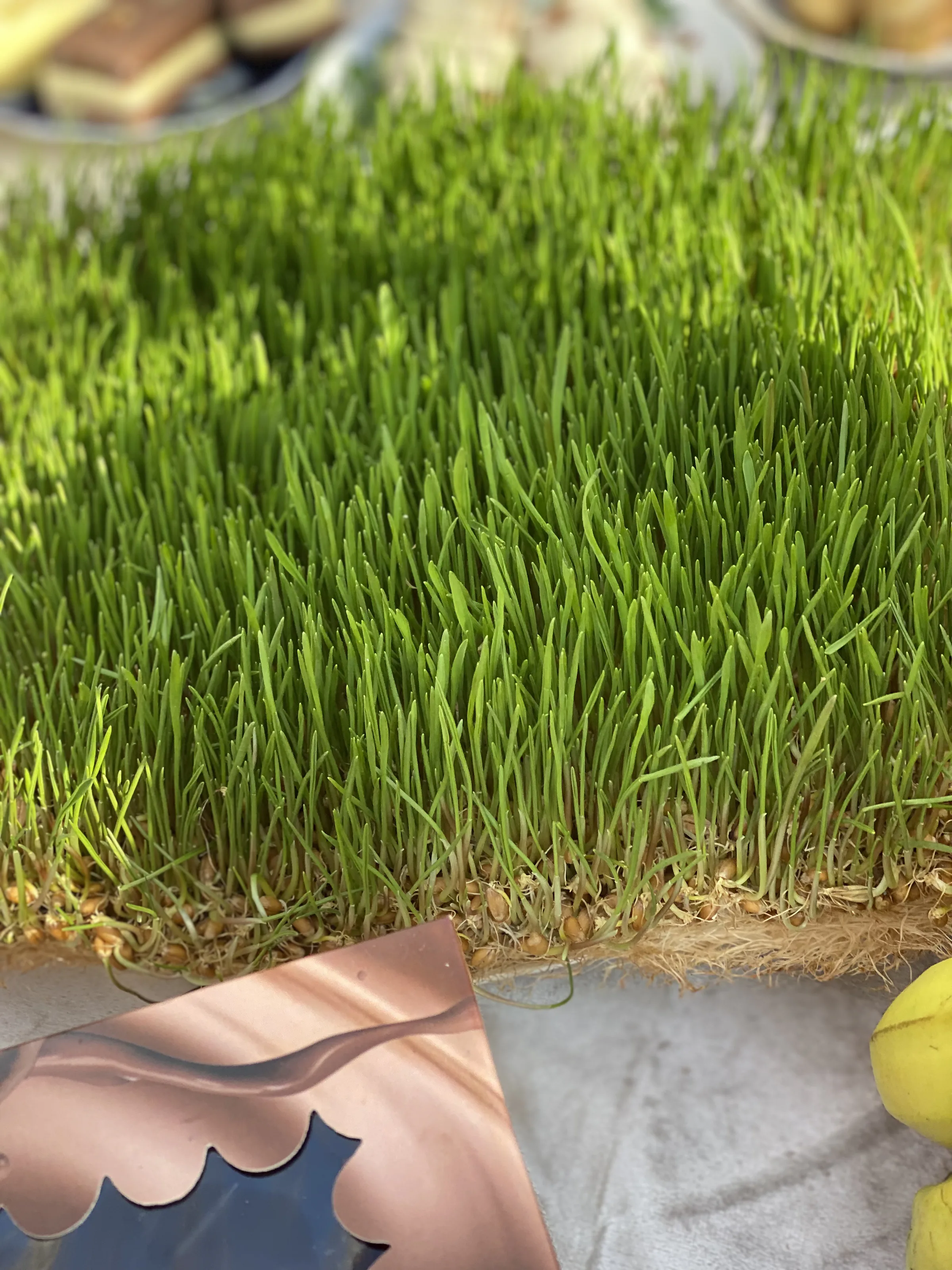
For sumalak, wheat is soaked and sprouted for several days; the green shoots are pounded and their juice pressed out three times. Oil is heated in a kazan, flour and juice are added, and the mixture is stirred without pause for 10–12 hours. Smooth walnut-sized pebbles and whole walnuts go into the pot to stop it catching. After a final rest it becomes a thick, brown, sweet paste — without a grain of added sugar.
Similar dishes are made for Nowruz in Iran, Afghanistan, Tajikistan, Kazakhstan and Kyrgyzstan, and scholars trace the custom back to pre-Islamic times.
Sumalak is cooked in March, in the run-up to Navruz and during the holiday. Making it is a night-long gathering of women and girls who sing around the cauldron and make wishes; in the morning it is shared with the neighbours. In March you can taste it in mahallas, parks and at Navruz fairs, and bazaars sell it by the bowl. Navruz customs have their own entry.
Dish · Nationwide
The centrepiece of any Uzbek meal: meat, onions and yellow carrots are cooked into a rich base in a kazan, then rice is steamed on top. UNESCO-listed since 2016.
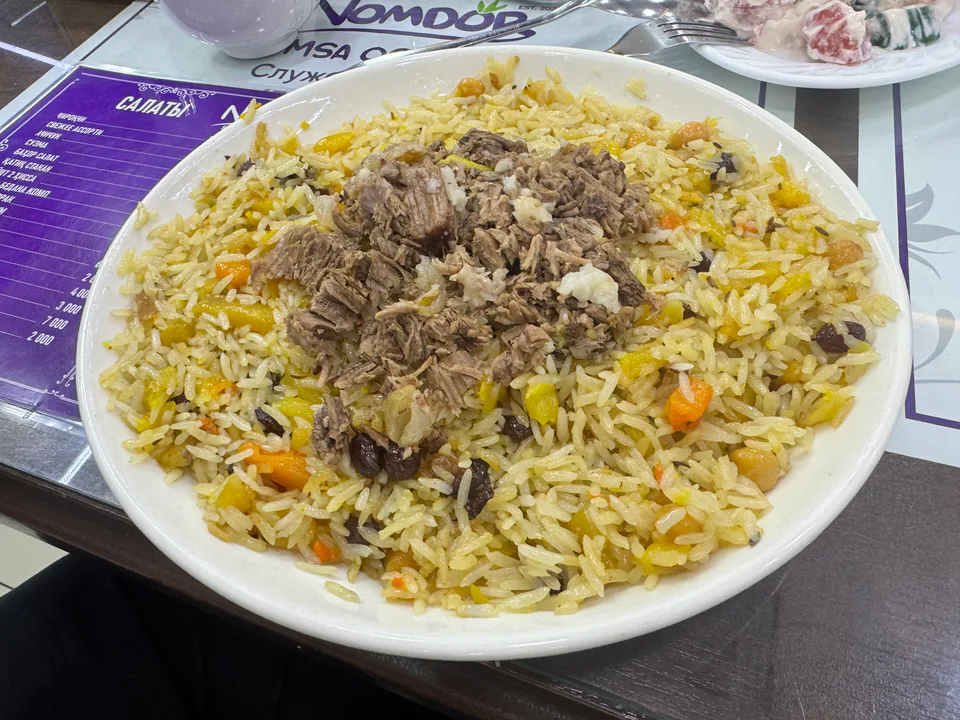
Dish · Tashkent (city), Tashkent Region
The capital’s style of plov: everything is fried first and the rice is mixed into the base; wedding plov adds kazy sausage, chickpeas, raisins and sometimes quail eggs.
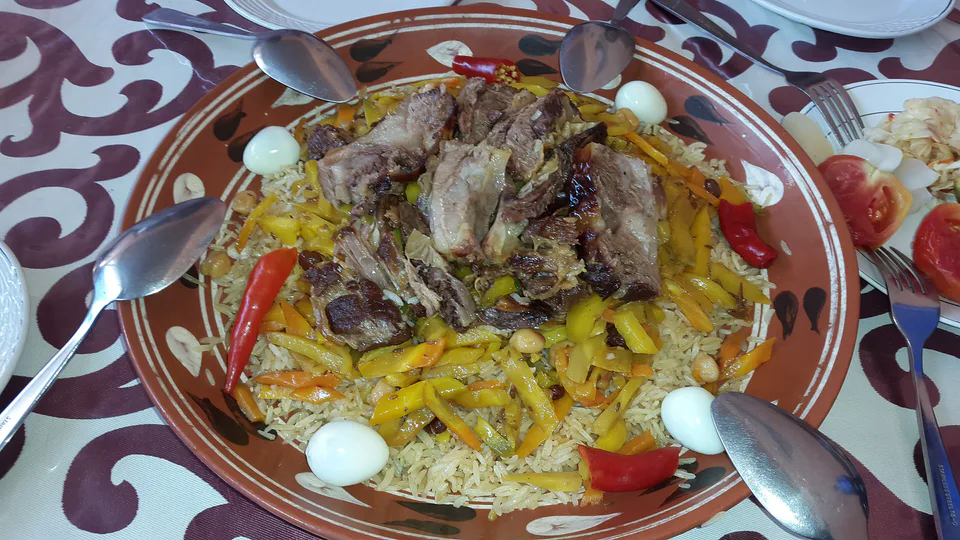
Dish · Samarkand
A layered plov in which nothing is stirred: the rice stays pale, and the carrots and meat are served on top of it.
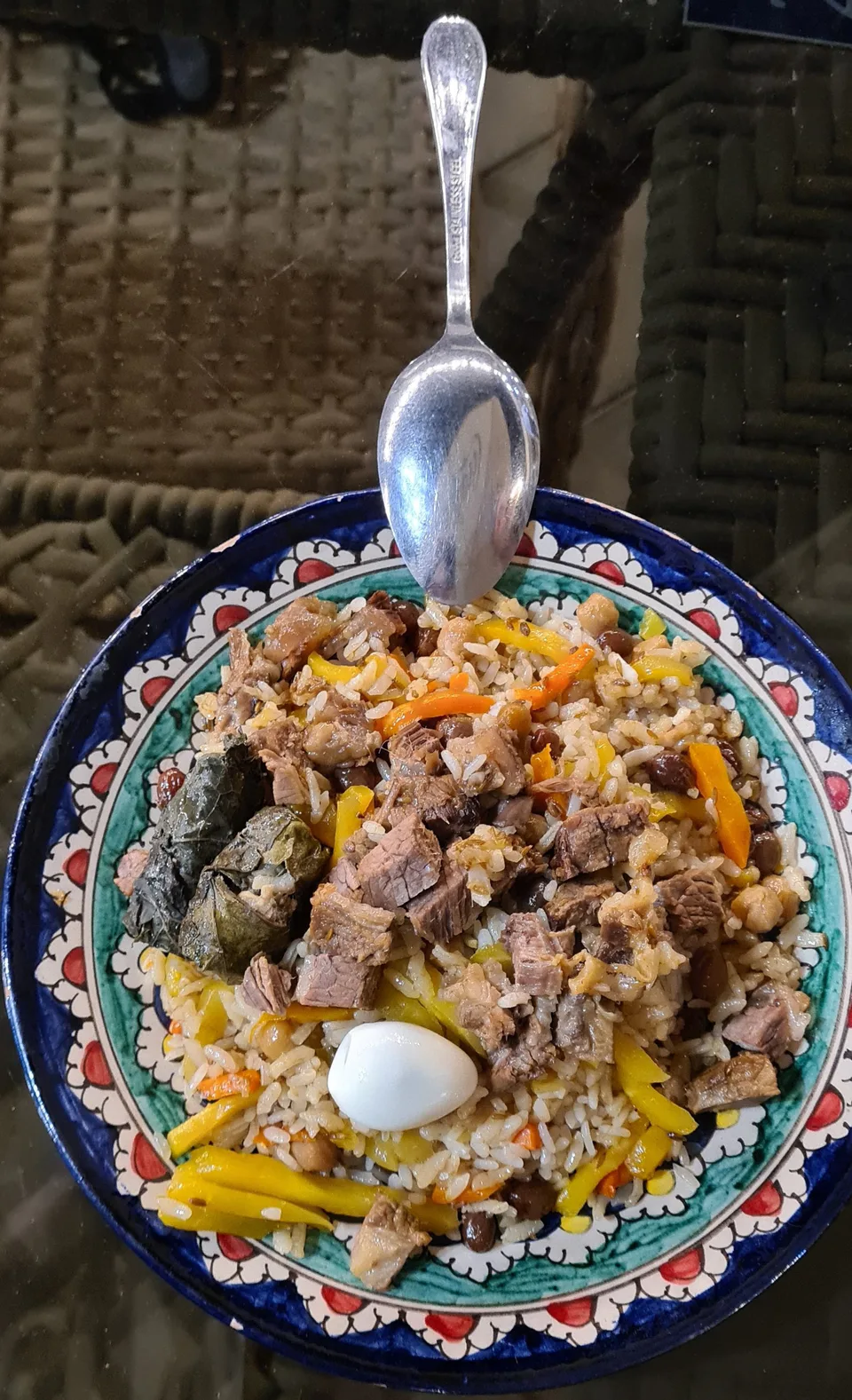
Dish · Bukhara
Bukhara’s own plovs: oshi sofi, made with separately boiled and drained rice, and plov cooked with mung beans.
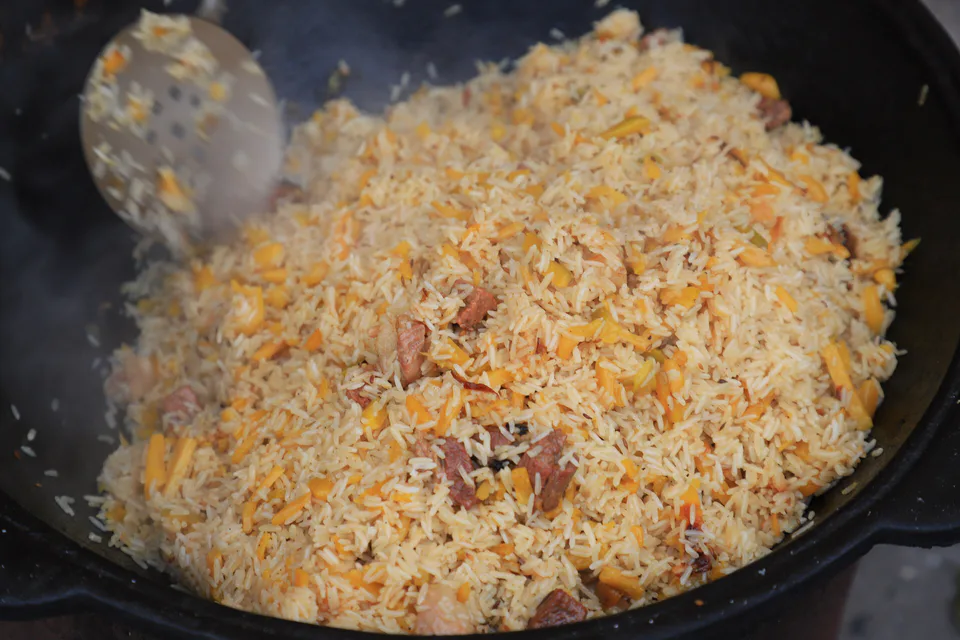
Dish · Fergana, Andijan +1
The dark plov of the Fergana Valley: a bone, meat, onions and carrots are fried long and hard until the zirvak turns deep brown.
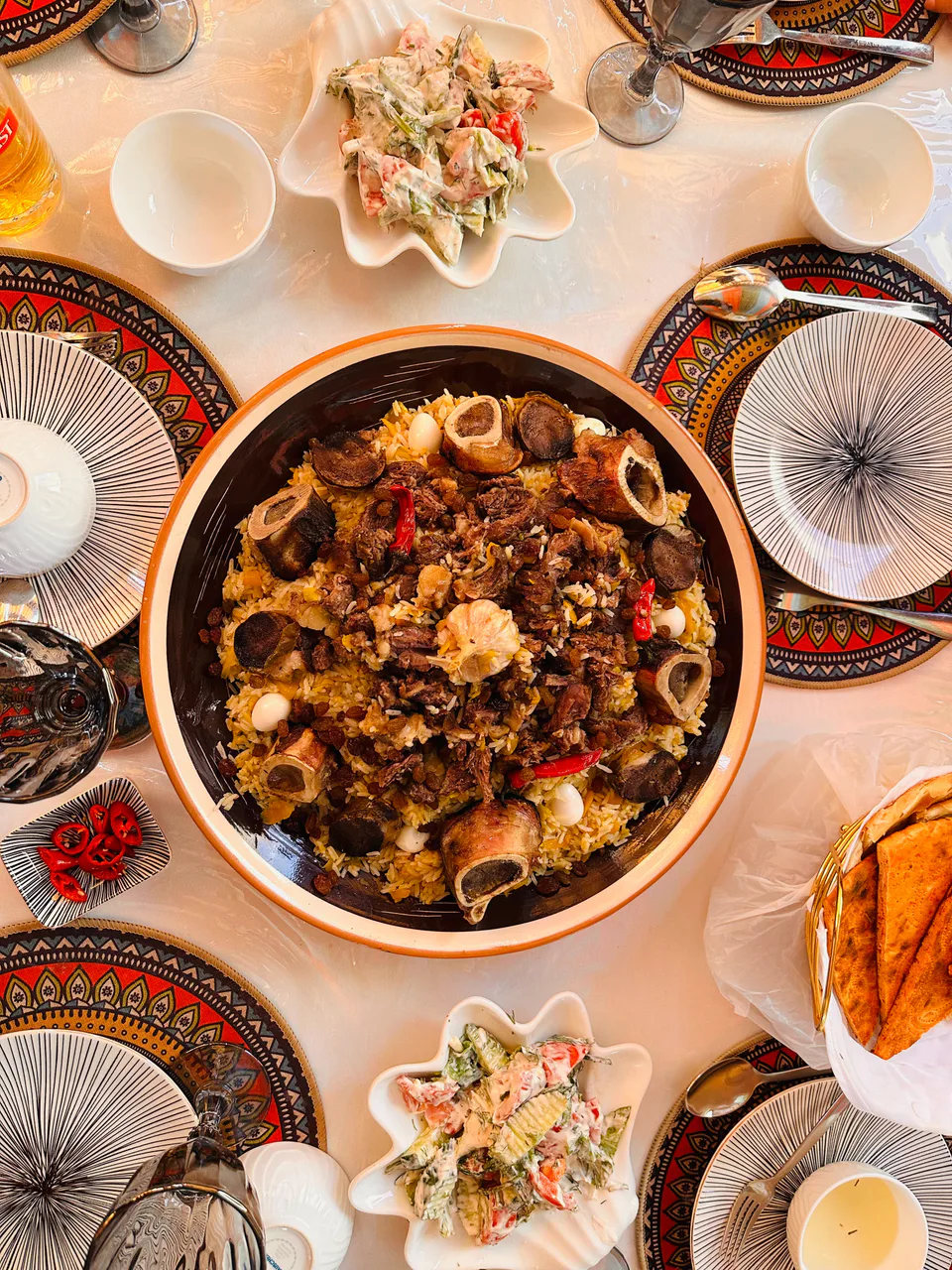
Dish · Khorezm
Khorezm’s plov tradition, including suzma palov, in which the rice is boiled separately and drained before it meets the zirvak.
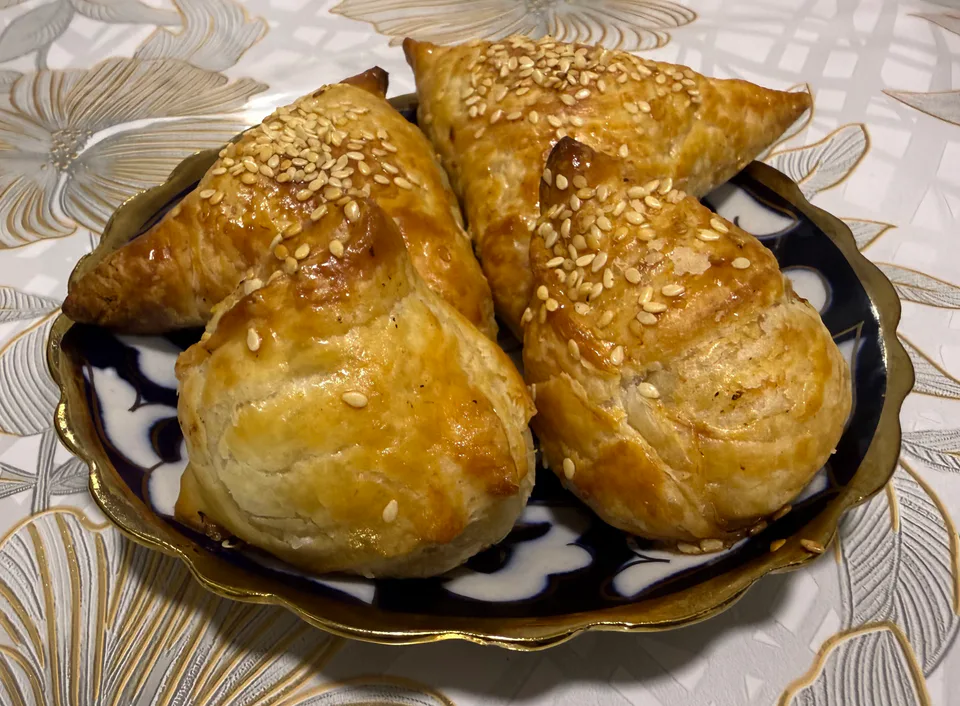
Dish · Nationwide
Flaky pastries baked on the inner wall of a tandoor, filled with hand-chopped lamb, tail fat and onion — or wild greens in spring and pumpkin in autumn.
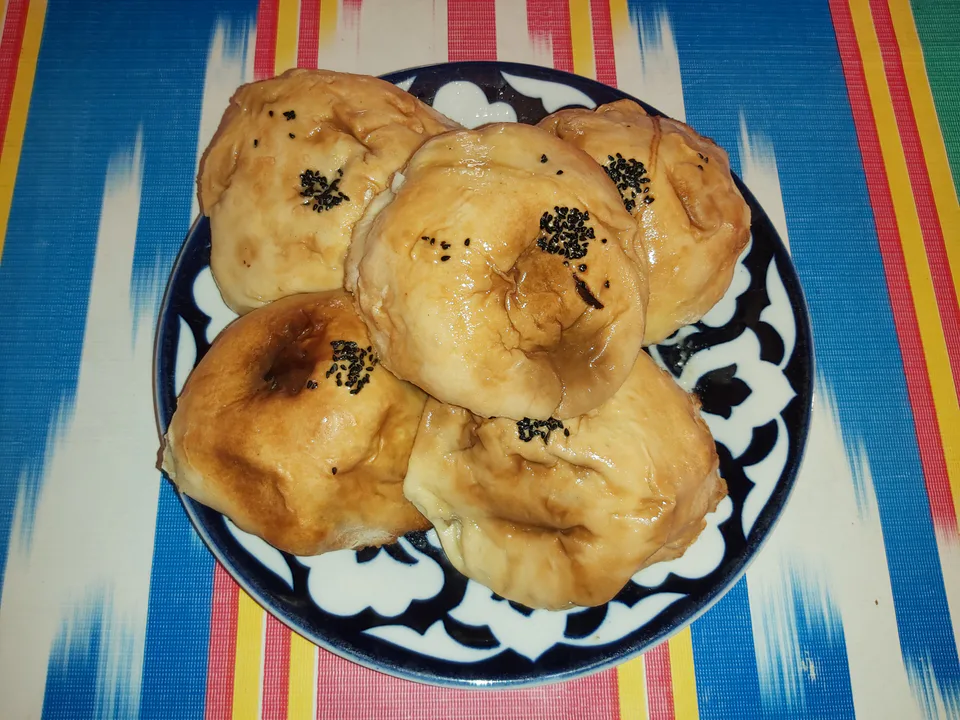
Dish · Jizzakh
Jizzakh’s culinary calling card: a large dome-shaped samsa made from three layers of dough, packed with lamb and tail fat and dipped in sunflower oil.
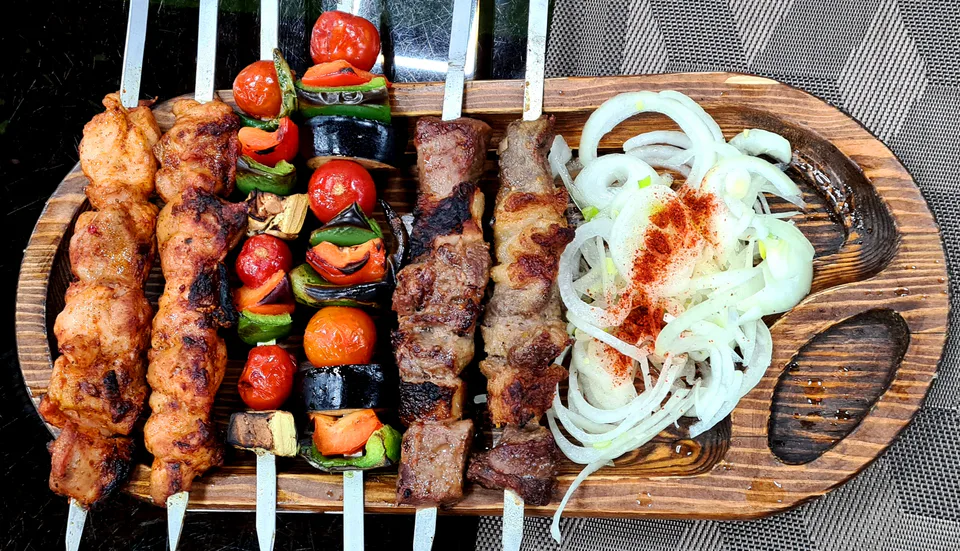
Dish · Nationwide
Skewered meat grilled over embers — lamb, beef, meat with tail fat, liver, minced qiyma (lula) kabob — served with onion, vinegar and hot bread.
Dish · Bukhara
The famous minced-meat kebab of Gijduvan in Bukhara Region: the meat is minced twice, frozen, chopped and pressed onto skewers.