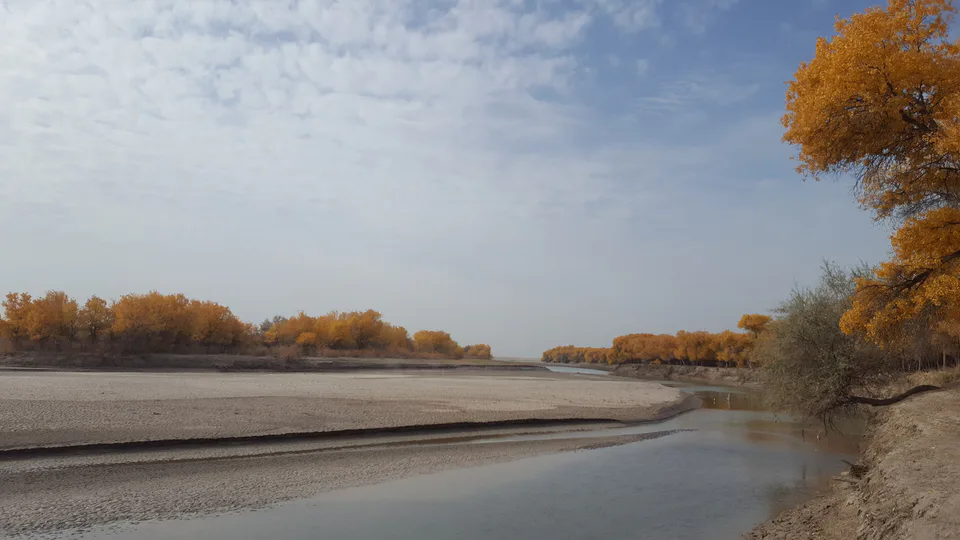
Nature · Beruniy District
Lower Amu Darya Biosphere Reserve (Badai-Tugai)
The great refuge of the Bukhara deer
Pilgrimage site · Beruniy District
A pilgrimage site that grew up in the 17th–19th centuries around a symbolic tomb of Uwais al-Qarani, a contemporary of the Prophet: a mosque, a sacred spring and fish pool, and the hilltop tomb of Chinor Bobo.
Uwais al-Qarani, remembered locally as Sultan Uvays, was born in Qaran in Yemen and is revered as a contemporary of the Prophet and a collector of hadith; tradition says he fell at the Battle of Siffin in 657 and was buried in Syria. His grave here is symbolic: a shrine appeared in the 17th century, and a large mosque with ten cells was added in the 19th. The complex is a rectangle of 21.5 by 53 metres running north to south, and its entrance was renovated in 2002.
Pilgrims first climb to the tomb of Chinor Bobo on the hilltop — said to have been Sultan Uvays’s teacher or muezzin, though scholars consider him a figure of local folklore — before visiting the saint’s own grave. By the gate is a sacred spring, said to have welled up beneath the saint’s foot, feeding a pool whose fish nobody eats; dead fish are buried with ceremony, and drinking the water is a main aim of the visit. Along the dry bed of the old channel, women hoping for children build small stone cairns. Legend has it that on a nearby hill Sultan Uvays fasted for forty days, praying for all Muslims.
Nature · Beruniy District
The great refuge of the Bukhara deer
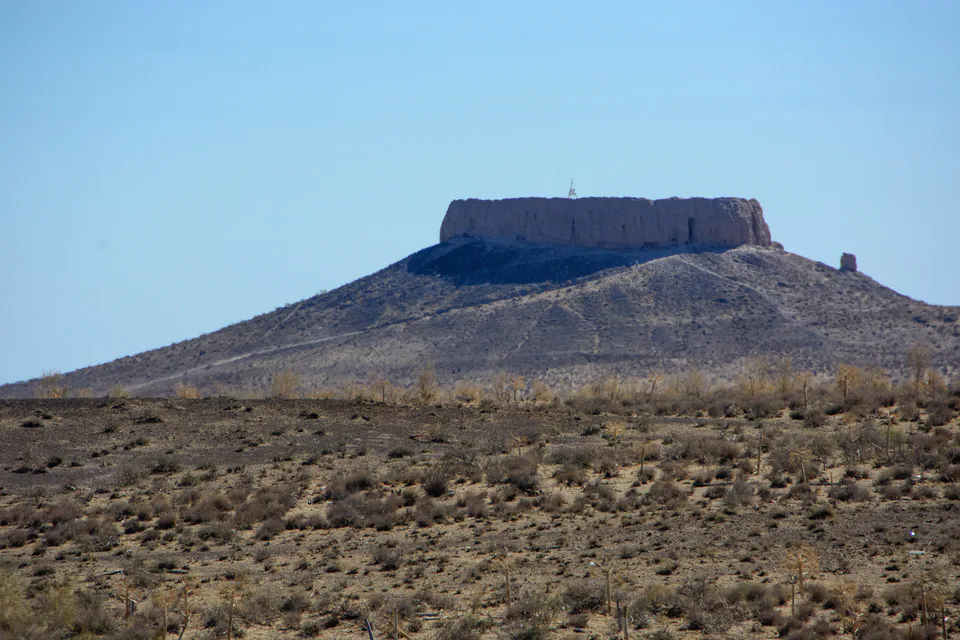
Archaeology · Amudaryo District
A Zoroastrian “tower of silence”
Archaeology · Qoraozak District
A medieval river port on the Amu Darya
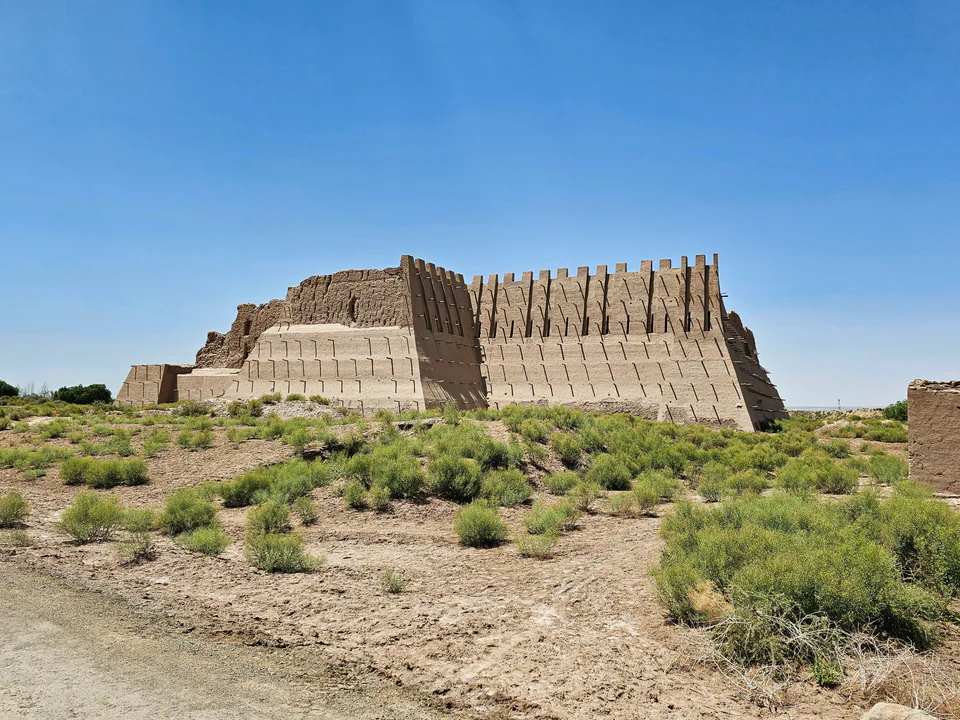
Archaeology · Ellikqala District
The “red” fort that guarded Toprak Kala
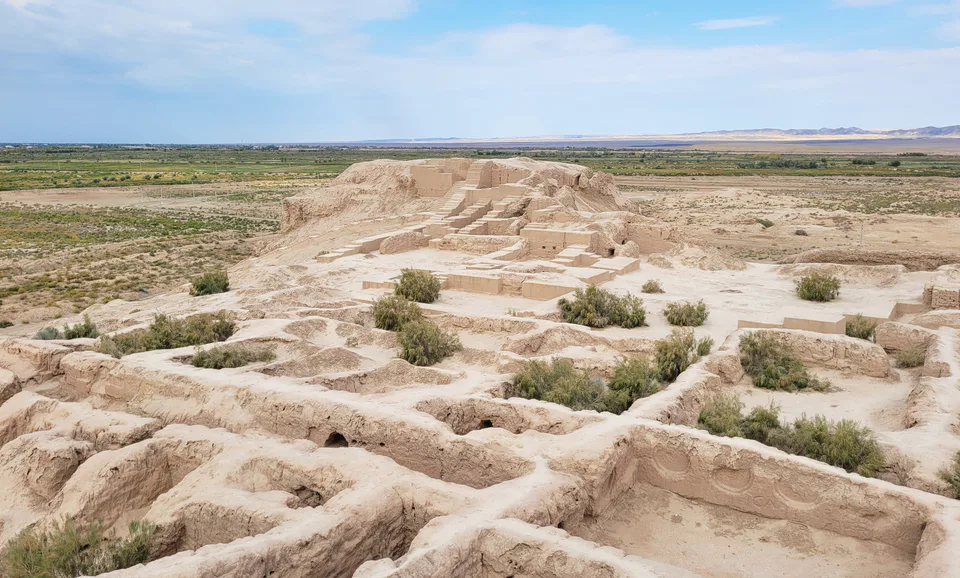
Archaeology · Ellikqala District
The palace city of ancient Khorezm’s kings
Archaeology · Beruniy District
The capital before Toprak Kala
Archaeology · Ellikqala District
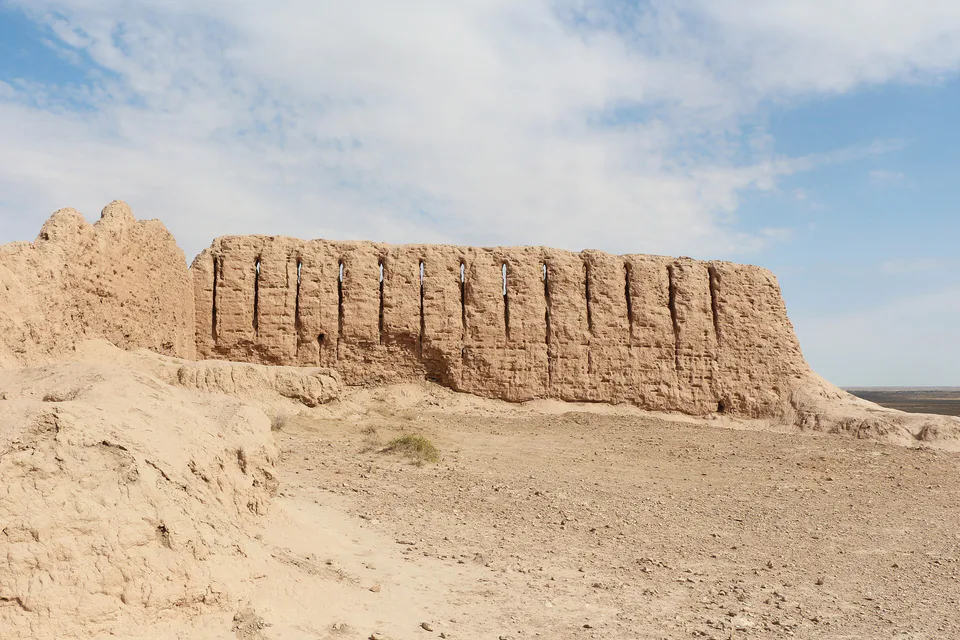
Three fortresses above the Kyzylkum