Pilgrimage site · Beruniy District
Sultan Uvays Bobo Complex
One of Karakalpakstan’s great shrines
Nature · Beruniy District
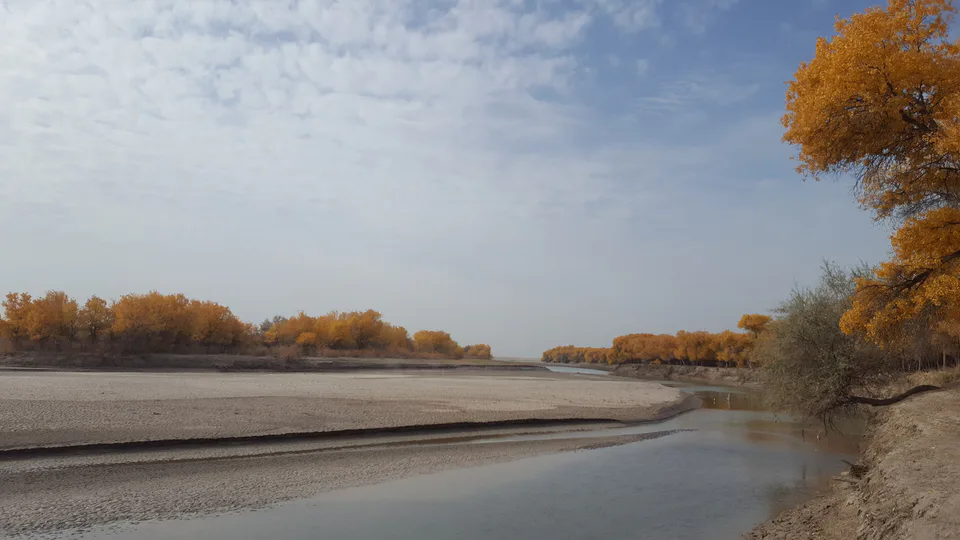
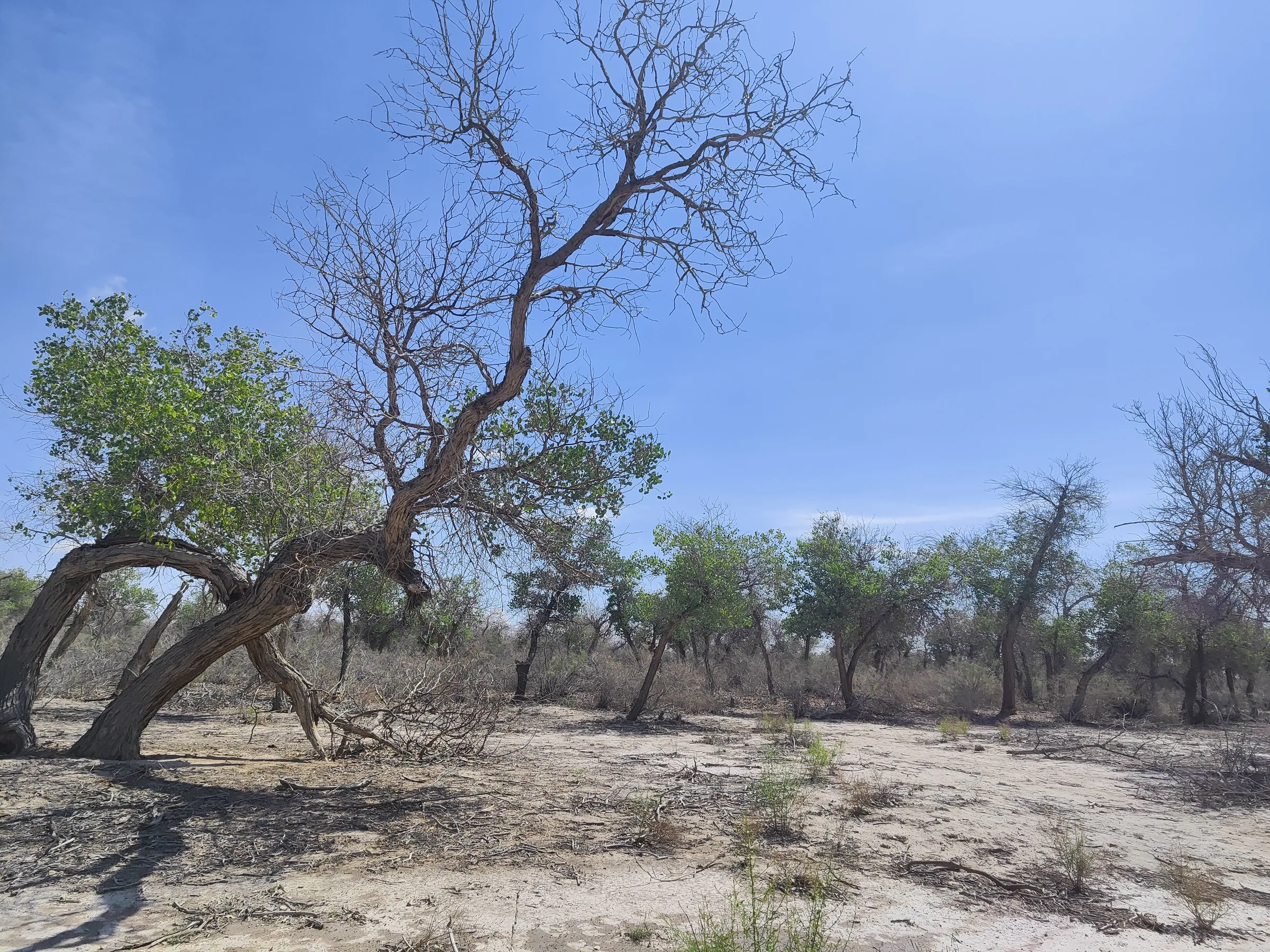
Founded in 1971 as the Badai-Tugai reserve, now a 68,700-hectare biosphere reserve protecting the Amu Darya’s tugai forests and one of the world’s largest Bukhara deer herds.
The reserve began in 1971 as Badai-Tugai, covering 5,929 hectares of Amu Darya floodplain. In 2011 it was enlarged into the Lower Amu Darya State Biosphere Reserve of 68,717.8 hectares, with an 11,568.3-hectare strictly protected core, to safeguard the delta’s tugai woodland, support research and promote sustainable development. UNESCO added it to the World Network of Biosphere Reserves in 2021.
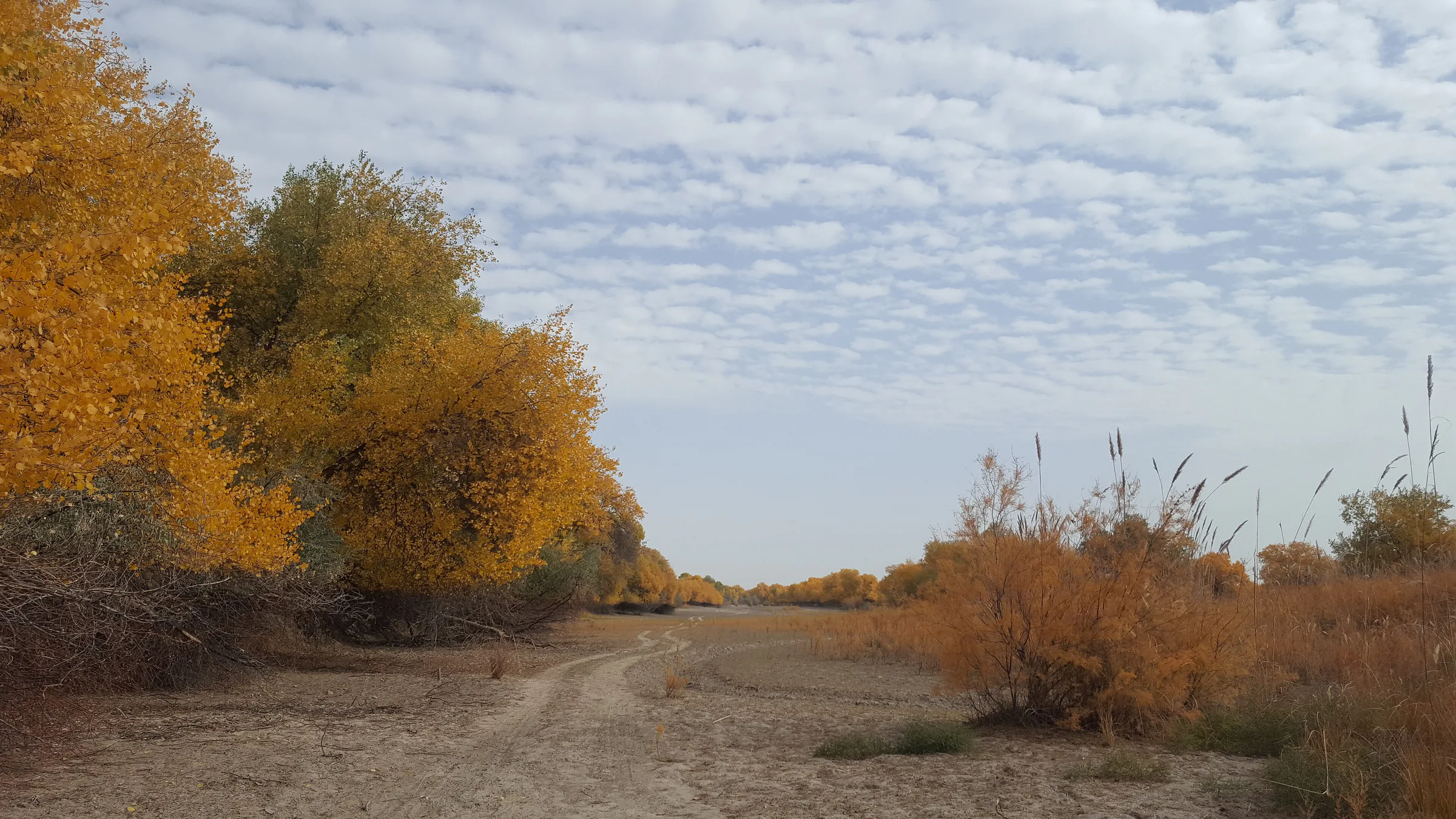
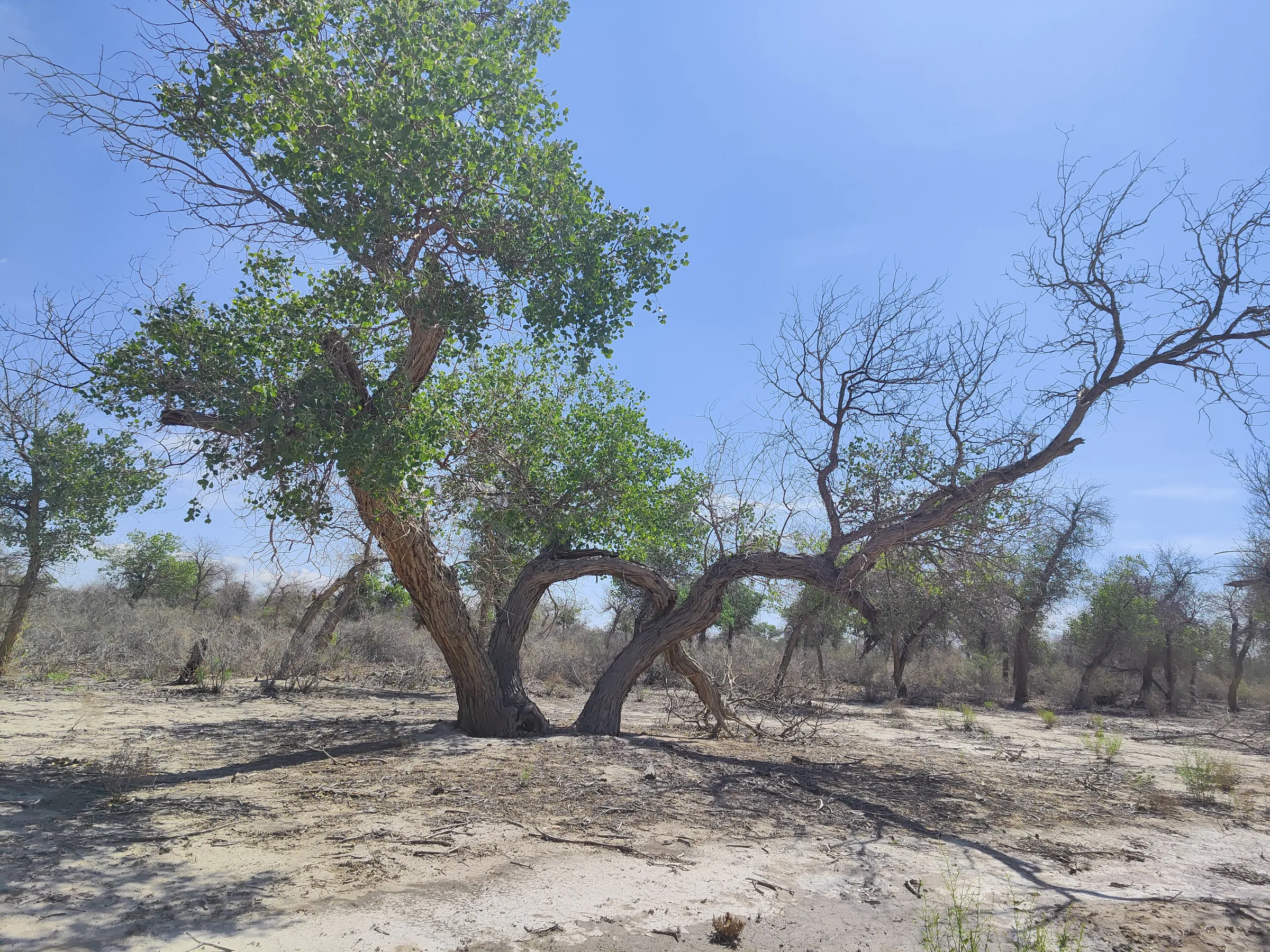
It preserves one of Central Asia’s largest natural tugai forests, dense thickets of turanga poplar, tamarisk and other trees and shrubs, home to rare fish such as the large and small Amu Darya shovelnose sturgeons, the Khiva pheasant, wild boar, hare and steppe cat.
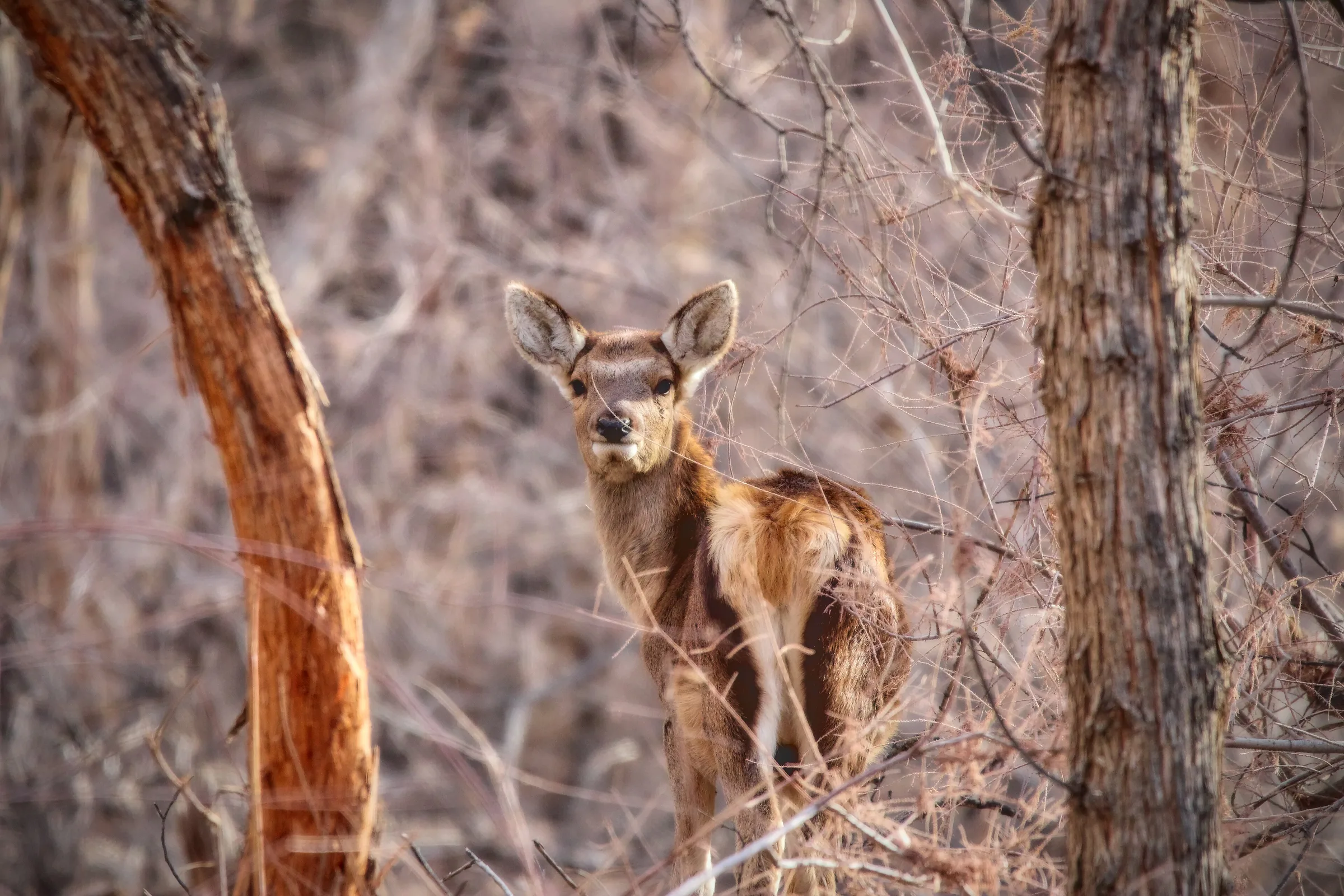
Its proudest achievement is saving the Bukhara deer. Reintroduction began in 1976 under the first director, V. P. Lim: from just 16 deer in 1978 the herd grew to more than 500 by 2010, now one of the largest populations in the world. The reserve still struggles with water shortages and air pollution from a nearby cement plant.
Pilgrimage site · Beruniy District
One of Karakalpakstan’s great shrines
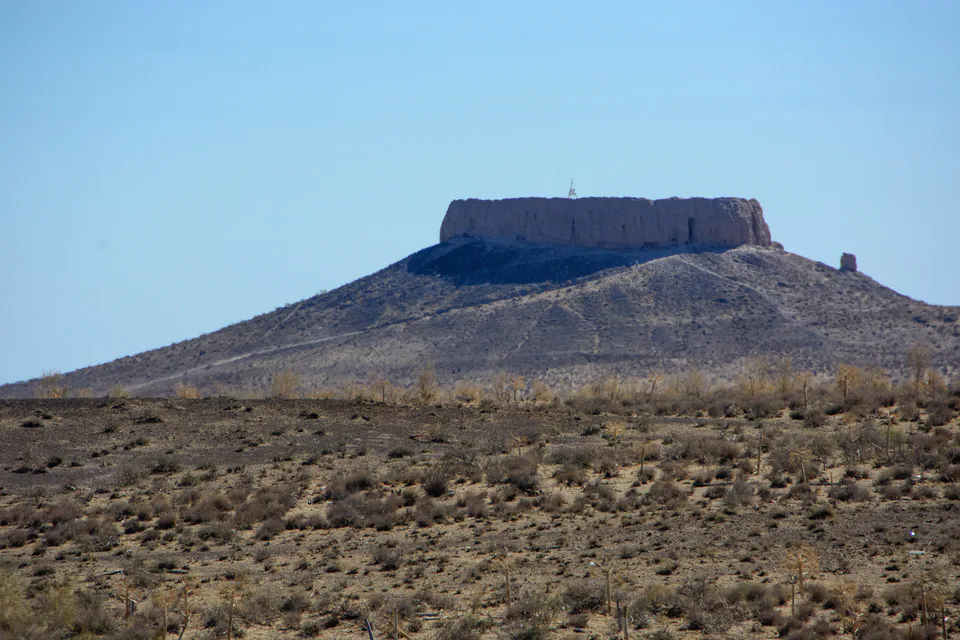
Archaeology · Amudaryo District
A Zoroastrian “tower of silence”
Archaeology · Qoraozak District
A medieval river port on the Amu Darya
Archaeology · Beruniy District
The capital before Toprak Kala
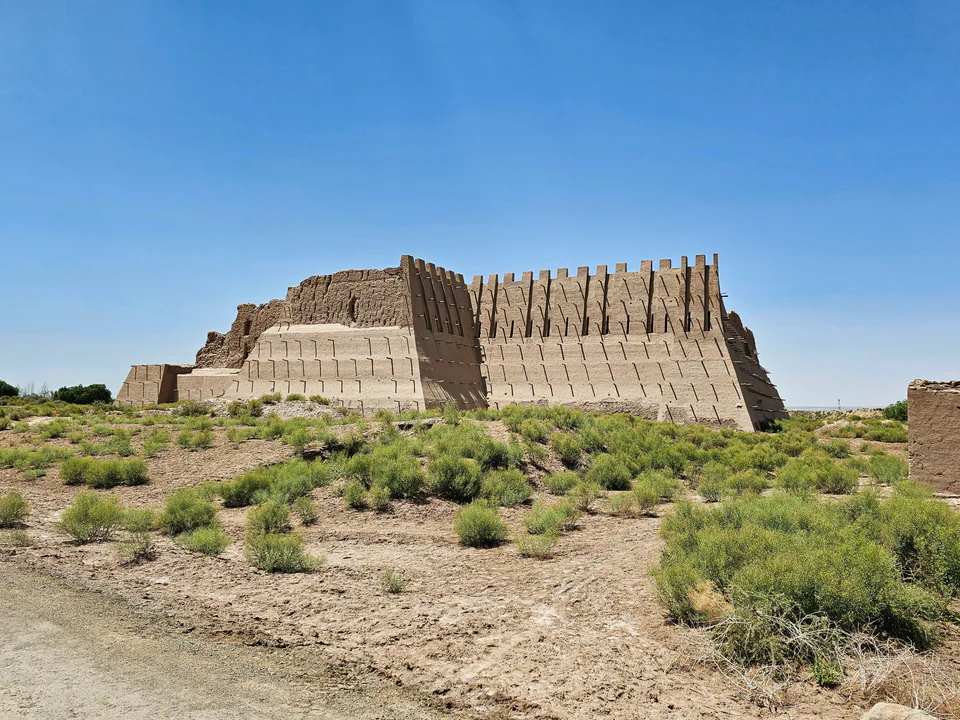
Archaeology · Ellikqala District
The “red” fort that guarded Toprak Kala
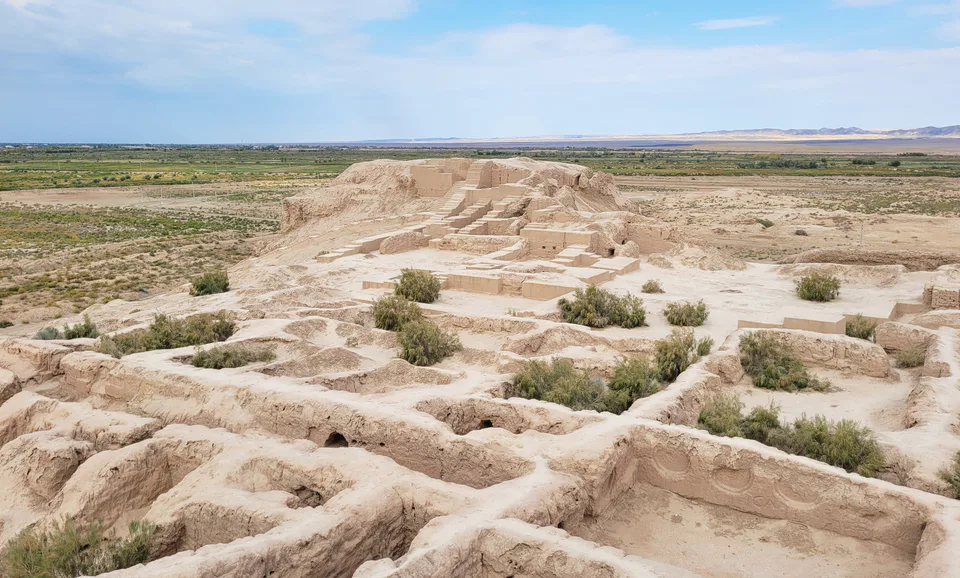
Archaeology · Ellikqala District
The palace city of ancient Khorezm’s kings