Mosque · Bukhara city
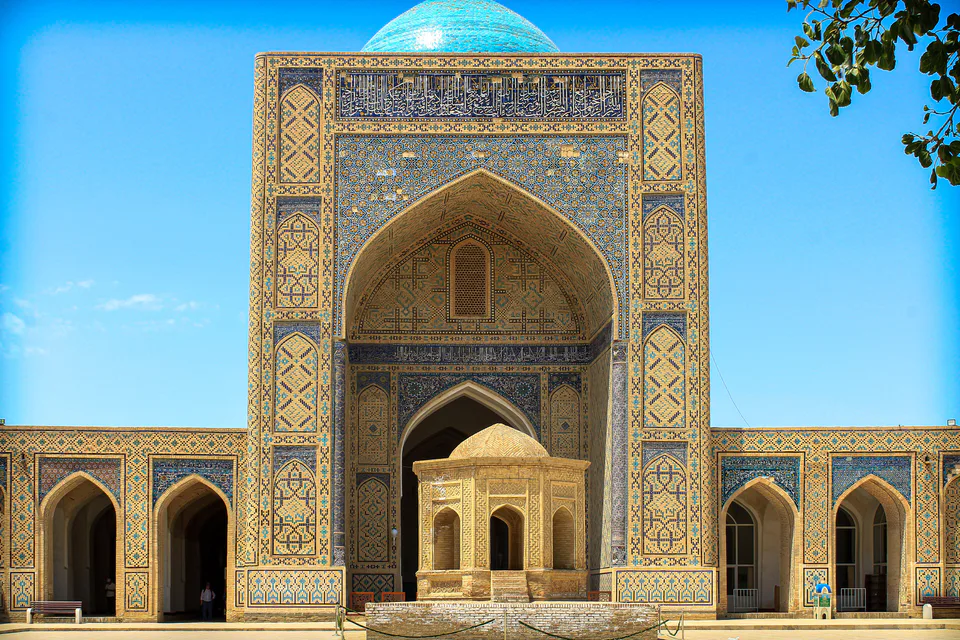
Kalyan Mosque
A Friday mosque for 12,000 worshippers
Mosque · Bukhara city
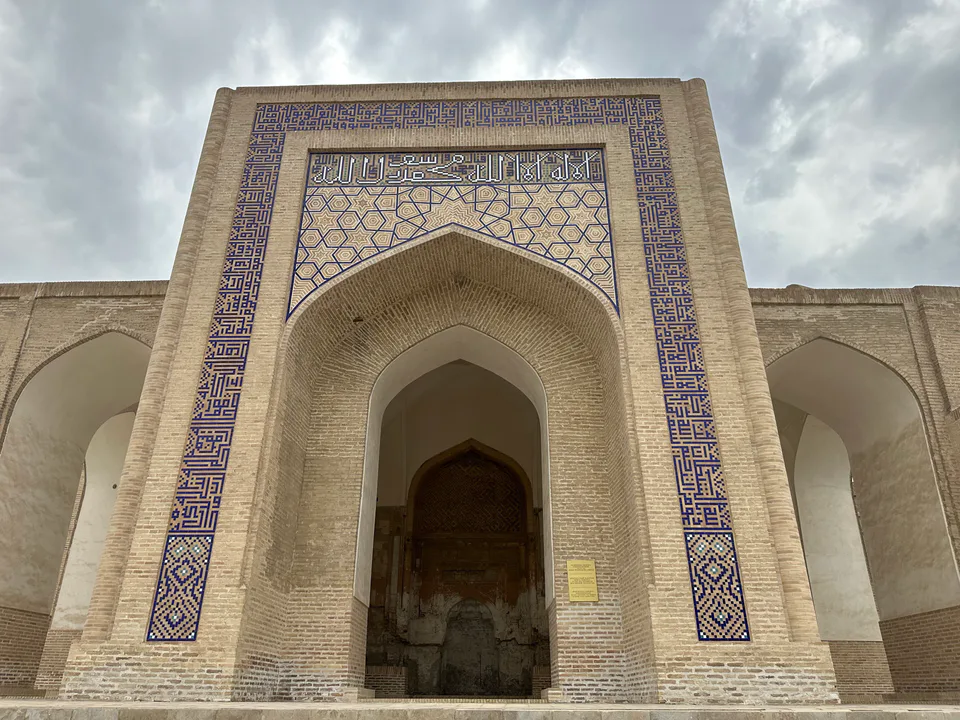
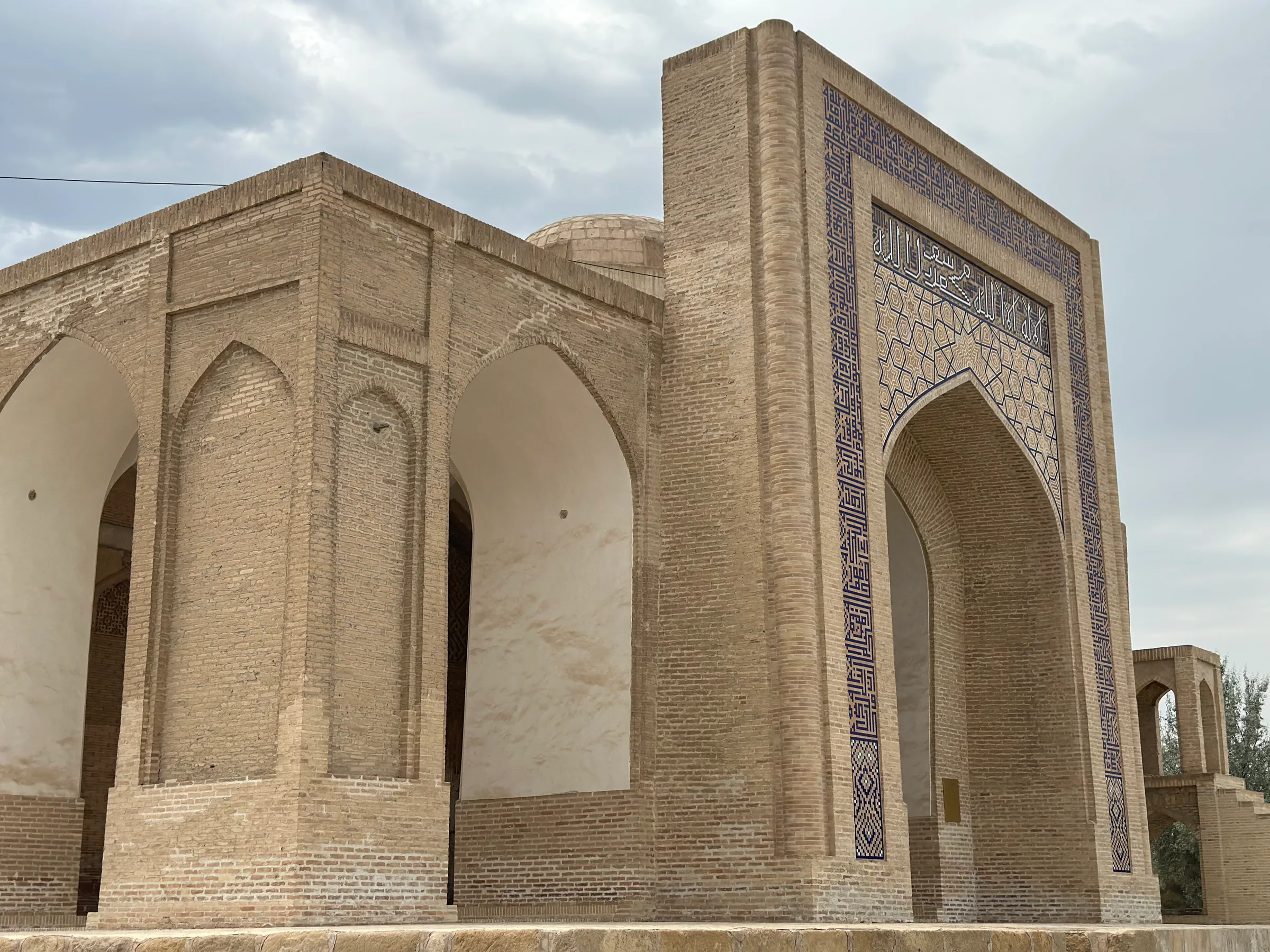
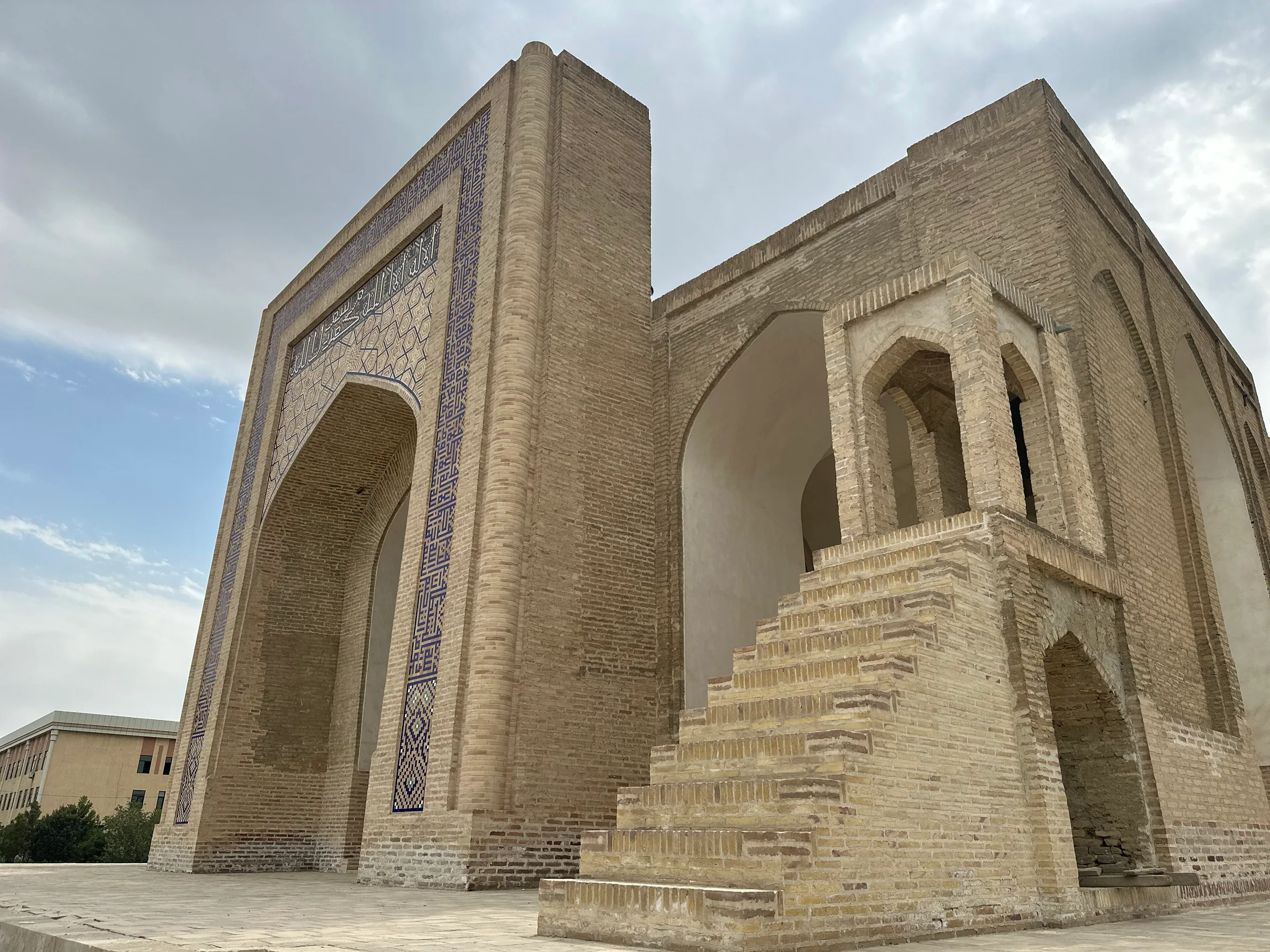
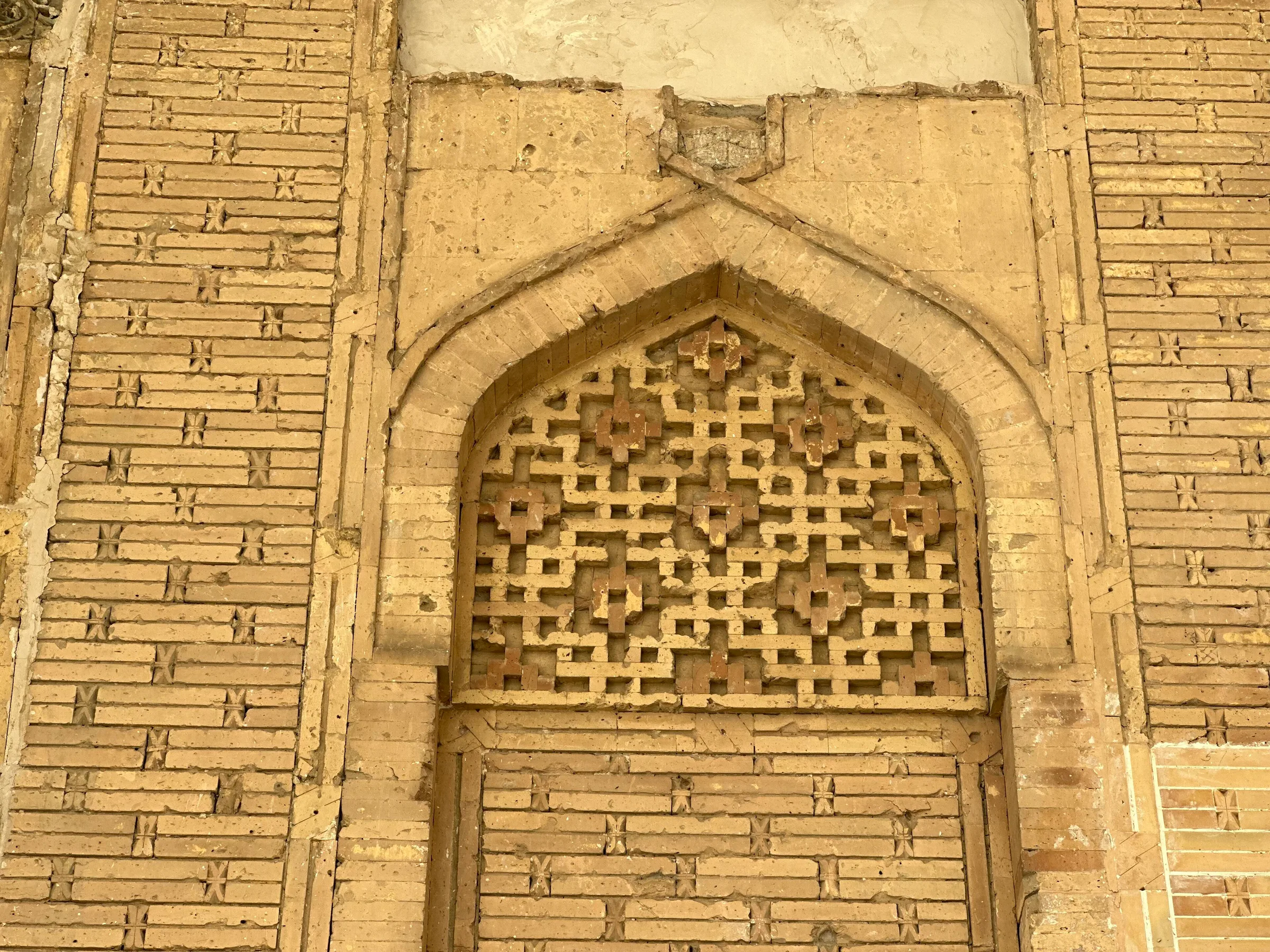
Built by order of Arslan Khan in 1119–1120 outside the city, the Namazgoh was an open-air prayer ground for the crowds who gathered at Eid al-Fitr and Eid al-Adha.
After the Islamic conquest Bukhara held its festival prayers on the Registan, but by the 9th century the square had grown too small and the prayer ground moved some three kilometres out of town. In the 12th century the Qarakhanid Arslan Khan decided townspeople should not stray so far that the city's defences were weakened, so he bought the Shamsabad garden and in 1119–1120 built a namazgoh there — a fired-brick wall about 38 m long with a mihrab.
The mihrab is decorated with intricate geometric and floral patterns, carving and glazed tiles. The namazgoh was repaired and enlarged in the 14th century on Timur's orders and again in the 16th century under Abdullah Khan II. The city has since grown around it, and it has lost its original role.
Mosque · Bukhara city
A Friday mosque for 12,000 worshippers
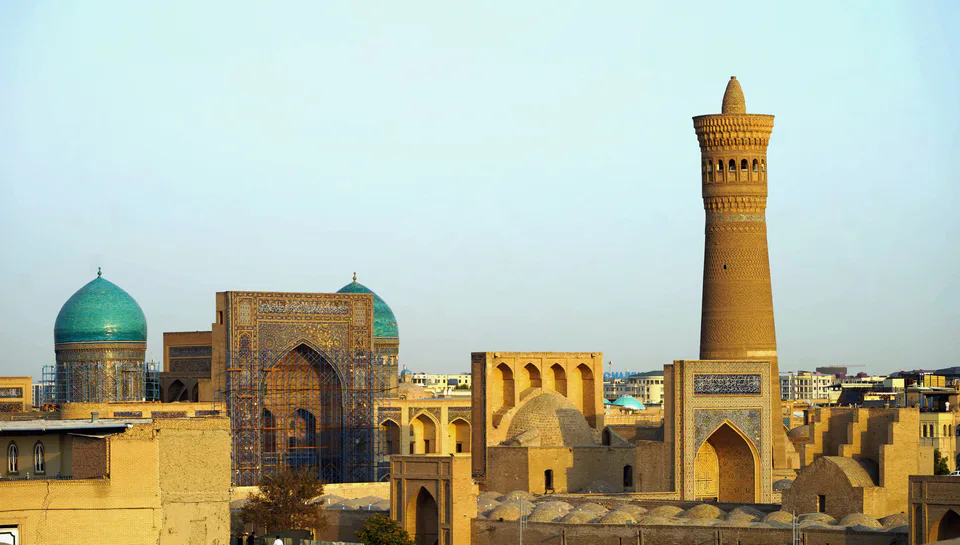
Ensemble · Bukhara city
Central Asia's most complete medieval city
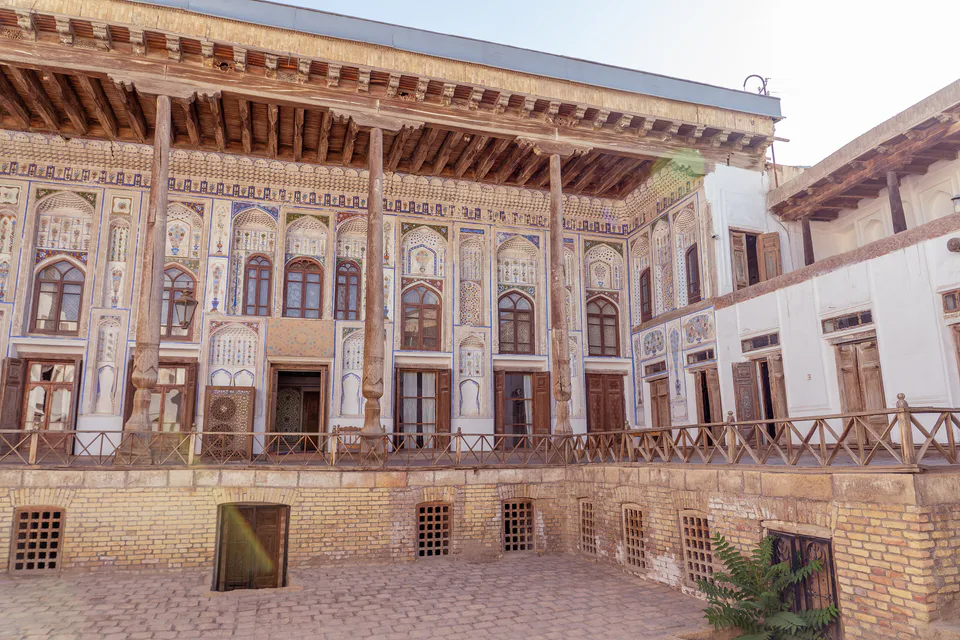
Museum · Bukhara city
The home of a wealthy Bukharan merchant
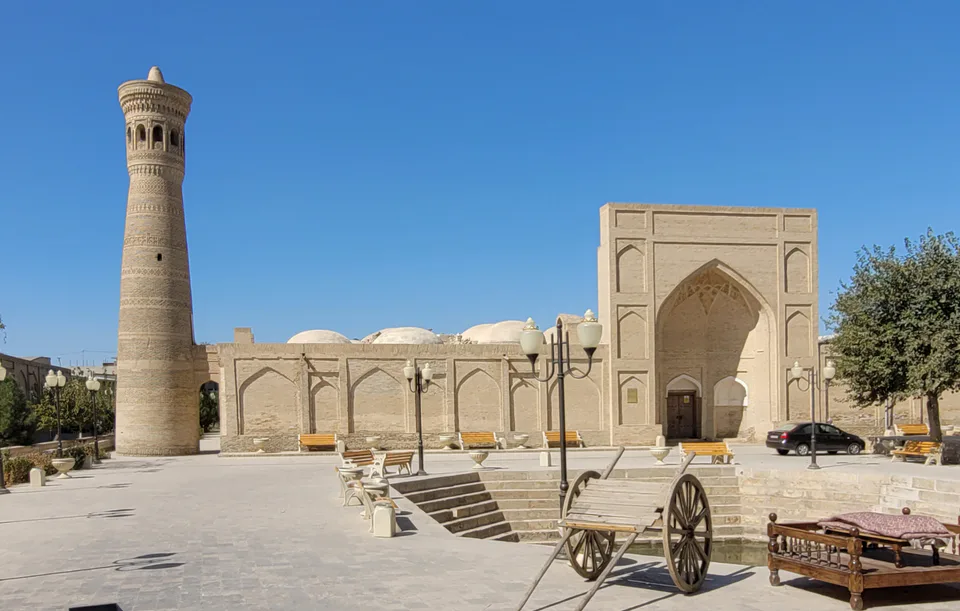
Ensemble · Bukhara city
A madrasa and minaret on the site of an old slaughterhouse
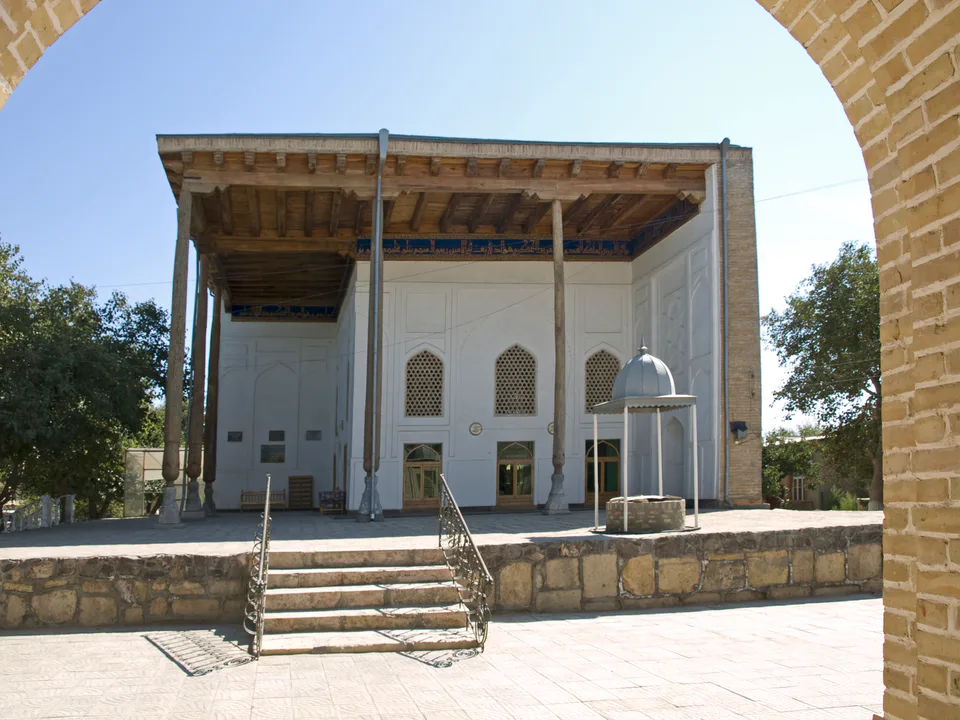
Mosque · Bukhara city
A small neighbourhood mosque with gilded paintwork
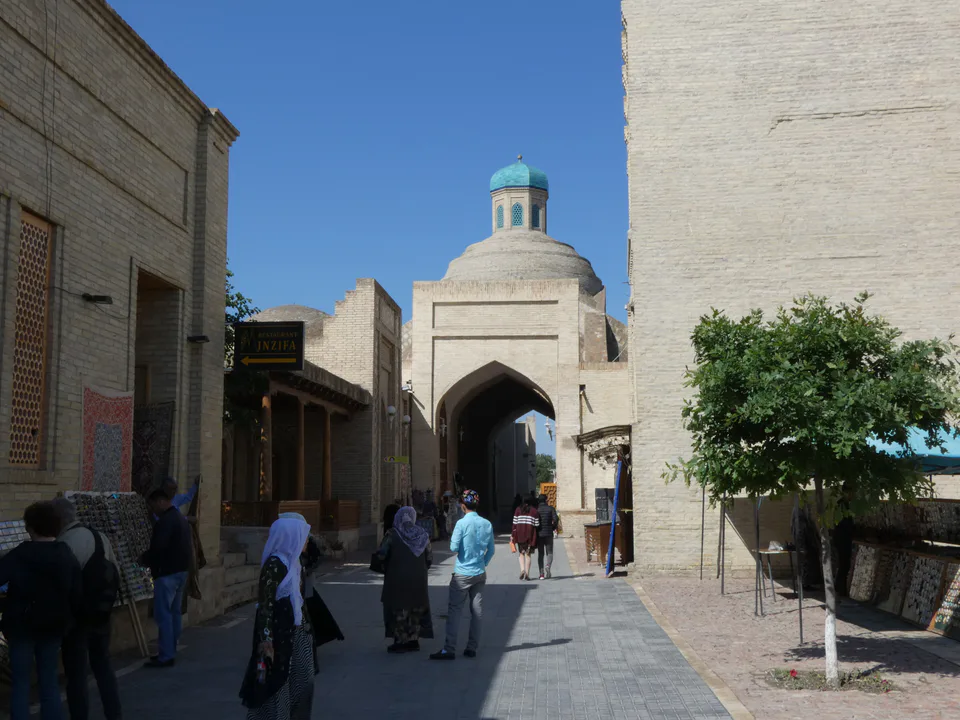
Bazaar · Bukhara city
The money-changers' dome — a Silk Road bureau de change
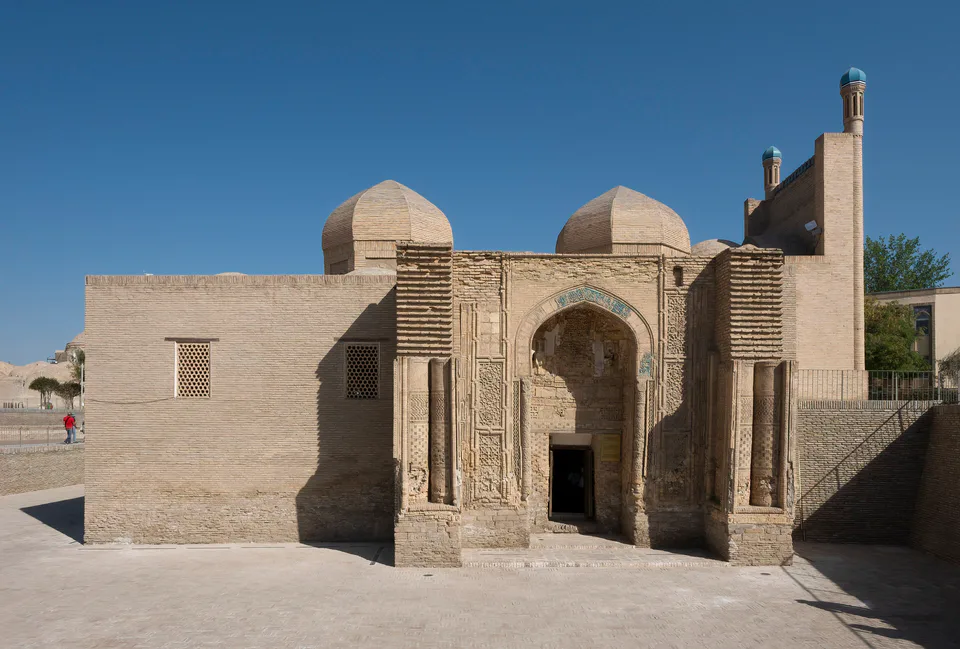
Mosque · Bukhara city
Bukhara's oldest mosque, sunk below the street
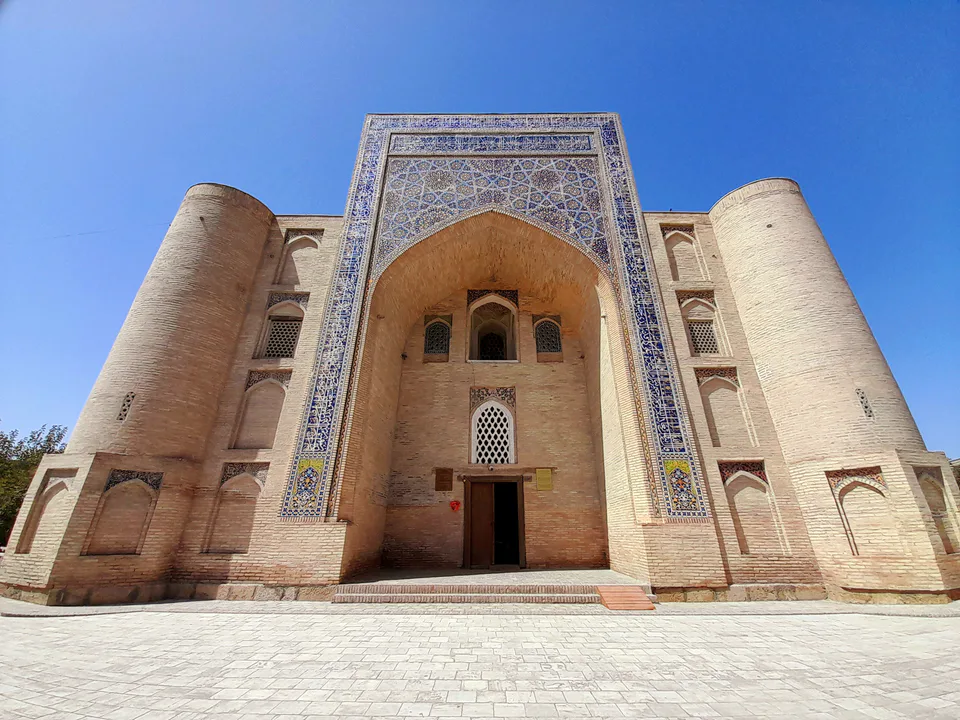
Mosque · Bukhara city
A Sufi lodge on the edge of the pool
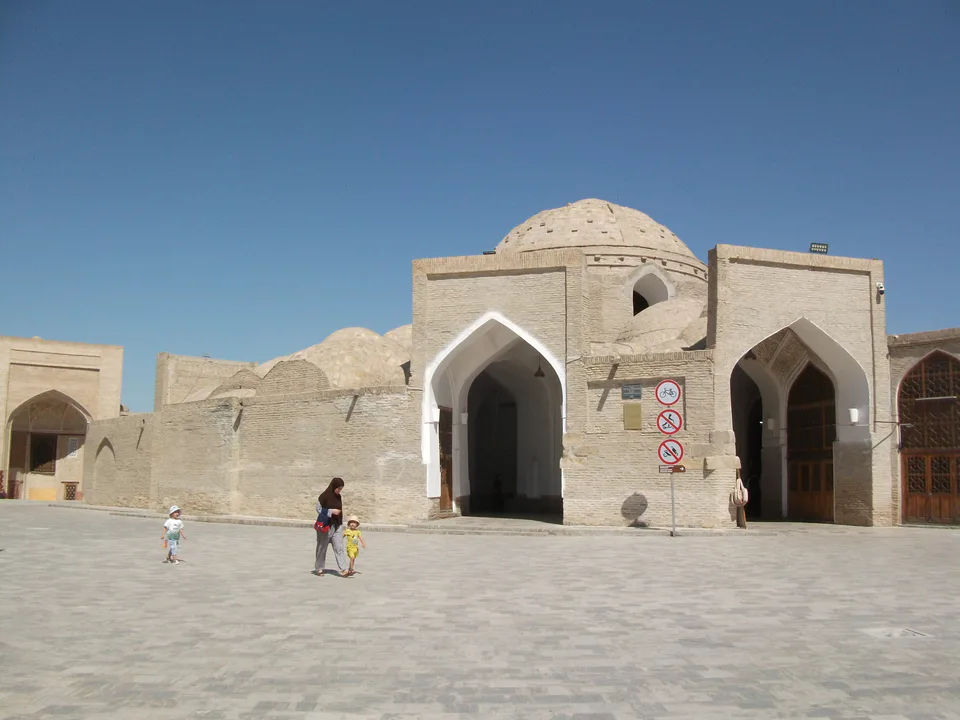
Bazaar · Bukhara city
The hat-sellers' dome over a five-way junction
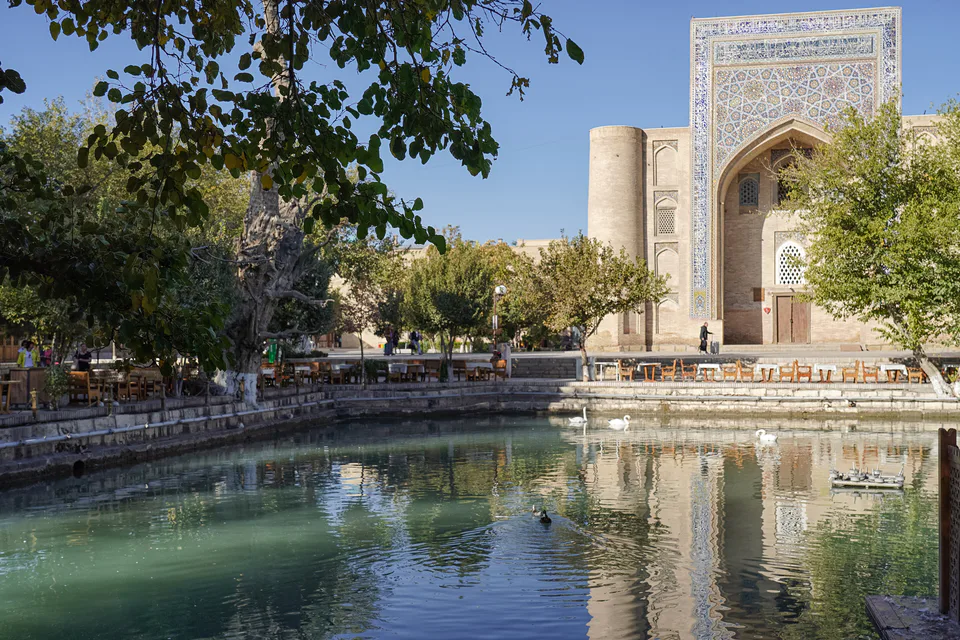
Ensemble · Bukhara city
The square by the pool — old Bukhara's beating heart